

Spain transport minister resigns after deadly high-speed crash
Spain's Transport Minister Óscar Puente has resigned and withdrawn from early legislative elections following a high-speed train collision.

Stock photo for illustration only, not from the actual event
- Spain's Transport Minister Óscar Puente has stepped down following a fatal train collision.
- The high-speed rail crash resulted in at least 69 deaths and numerous injuries.
- The incident occurred last Wednesday near the town of Urda, south of Madrid.
- The resignation comes ahead of the early general elections scheduled for 29 November.
Political turmoil has gripped Spain following the resignation of the country's transport minister late Tuesday evening. The announcement came just days after a devastating high-speed train collision that shocked the nation and resulted in dozens of fatalities.
Óscar Puente faced intense pressure from opposition parties and government allies who demanded accountability for the disaster. He announced his decision in Congress at the end of a lengthy session where he outlined new rail safety measures and faced harsh questioning from lawmakers.
During his address, Puente stated that he was not only stepping down from his cabinet position but also withdrawing his name from the candidate lists for the upcoming early legislative elections. The sudden move surprised many observers, as he had insisted on remaining in office just days prior.
The tragic accident involved a state-operated Renfe high-speed train carrying 397 passengers that smashed into the rear of a stationary private Iryo train carrying 147 passengers near the town of Urda, south of the capital Madrid, causing carriages to derail.
"I am not only stepping down from my position as minister of transport, but... I am also withdrawing my name from the lists for the early legislative elections."
Óscar Puente
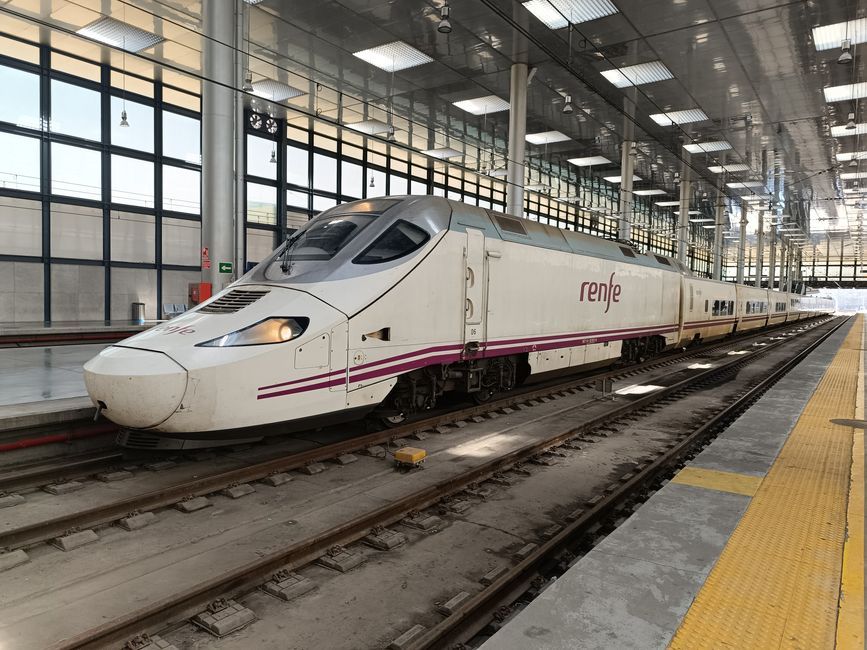
Stock photo for illustration only, not from the actual event
The predicament poses a major challenge for Prime Minister Pedro Sánchez's Socialist-led government, especially with early general elections looming on 29 November. The conservative People's Party and Vox had aggressively called for Puente's departure, arguing that the minister must shoulder responsibility for a rail network whose credibility Prime Minister Sánchez admitted was broken.
The resignation highlights the immediate political fallout that high-profile public infrastructure failures can trigger within parliamentary systems. When public safety and national transit systems are compromised, ministerial accountability often becomes a crucial mechanism for governments attempting to manage voter backlash ahead of electoral cycles.
Prime Minister Sánchez praised his colleague for facing the situation and stepping aside out of political dignity and respect for the victims. Observers are now watching closely to see if Puente's successor can successfully restore public trust in Spain's railway infrastructure.
Source: BBC World
Found something wrong in this article? Report an issue with this article
Comments
Leave a Comment