

The Unproven Economics of the Short Weekend Cruise
Cruise lines are deploying mega-ships to 3- and 4-night itineraries to boost frequency, but financial data questions higher profitability.

Stock photo for illustration only, not from the actual event
- Major cruise lines are shifting some of their largest vessels onto shorter 3- and 4-night itineraries.
- Norwegian carried 24% more guests after shortening trips, but saw lower revenue and gross margin per passenger-day.
- Royal Caribbean Group CEO Jason Liberty noted strong onboard spending and high demand from millennials and younger travelers.
- Public financial disclosures do not separate results by cruise length, leaving the profitability of the weekend model unverified.
The cruise industry is undergoing a major strategic shift by assigning massive ships that once dominated long-haul routes to shorter three- and four-night itineraries instead. The core bet is that shorter vacations will encourage customers to return more frequently, but driving higher passenger volume does not automatically translate into higher profitability.
For decades, the industry's economic model relied squarely on seven-night vacations. Mega-ships packed with water parks, specialty restaurants, and large theaters were traditionally reserved for week-long sailings, while older and smaller ships handled shorter trips at lower prices. The shift began when Disney deployed the Wish in 2022 and Virgin Voyages launched short Caribbean itineraries in 2021, before Royal Caribbean brought the strategy to megaship scale in 2024 with Utopia of the Seas from Port Canaveral. Carnival is also scheduled to follow suit with Mardi Gras for Bahamas sailings from the same port in May 2027.
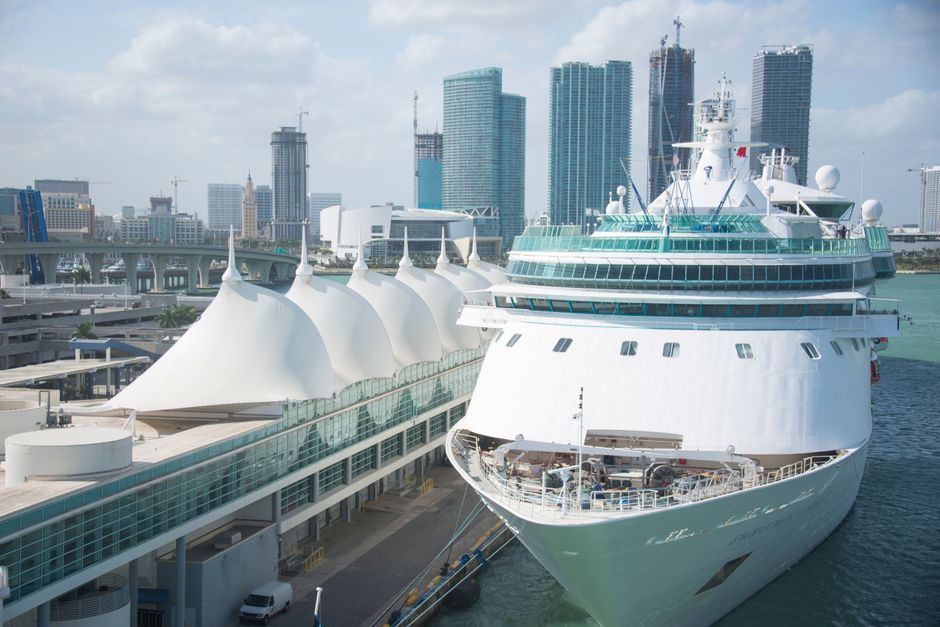
Stock photo for illustration only, not from the actual event
The operational logic behind shorter sailings centers on frequency. A ship running alternating short trips can serve two sets of guests per week instead of one, doubling embarkations and multiplying opportunities to sell drink packages, specialty dining, and shore excursions. Speaking on an October 27 earnings call, Royal Caribbean Group CEO Jason Liberty highlighted that half of their guests are millennials or younger, they spend roughly the same amount on a short trip as on a seven-night cruise, and onboard spending has consistently beaten expectations.
"Half of the group's guests are millennials or younger, that they spend about as much on a short trip as on a seven-night cruise, and that onboard spending has beaten expectations."
Jason Liberty
However, public regulatory filings tell a more complicated story. Royal Caribbean's revenue per passenger-day rose only slightly to about $320 from $315 during the first nine months of 2026, with ticket revenue per passenger-day remaining flat and average voyage length barely shifting from 6.2 to 6.1 days. Meanwhile, Norwegian cut its average cruise length from roughly 8.6 days to 7.5 and carried 24% more passengers, but saw its revenue per passenger-day drop from $401 to $385, accompanied by an almost 11% decline in gross margin per passenger-day.
Industry analysts point out that while short sailings provide distribution advantages and allow operators to capture customer records directly, the increased operational turnaround costs of handling multiple embarkations per week require deeper scrutiny. Because neither company breaks down their earnings reports by cruise length, investors currently lack the public disclosures needed to definitively verify whether the weekend model truly outperforms traditional week-long cruises.
Source: Skift
Found something wrong in this article? Report an issue with this article
Comments
Leave a Comment