

Bank of England expected to raise interest rates to 4%
Policymakers at the Bank of England are set to raise benchmark interest rates from 3.75% to 4% on Thursday amid rising inflation driven by energy costs.

Stock photo for illustration only, not from the actual event
- Bank of England policymakers are expected to raise interest rates from 3.75% to 4% on Thursday.
- UK Consumer Prices Index inflation rose to 3.5% in September 2026, exceeding the 2% target.
- Around 510,000 tracker mortgage-holders face an immediate £31 monthly increase in repayments.
- Average fixed mortgage rates remain significantly higher than levels seen in 2021.
Policymakers at the Bank of England are widely expected to announce an interest rate hike on Thursday at 12:00 GMT, marking the first increase to the benchmark rate in more than three years. Most financial analysts predict a quarter-point rise moving the rate from 3.75% to 4%, following a peak of 5.25% during 2023-2024 and six consecutive meetings where rates were kept on hold.
The anticipated move is primarily driven by persistent inflation pressures, fuelled heavily by petrol, diesel, and wider energy costs linked to the ongoing impact of the Iran war. The Consumer Prices Index (CPI) measure of inflation reached 3.5% in the year to September 2026, climbing from 3.1% in the previous month and staying well above the central bank's 2% target.
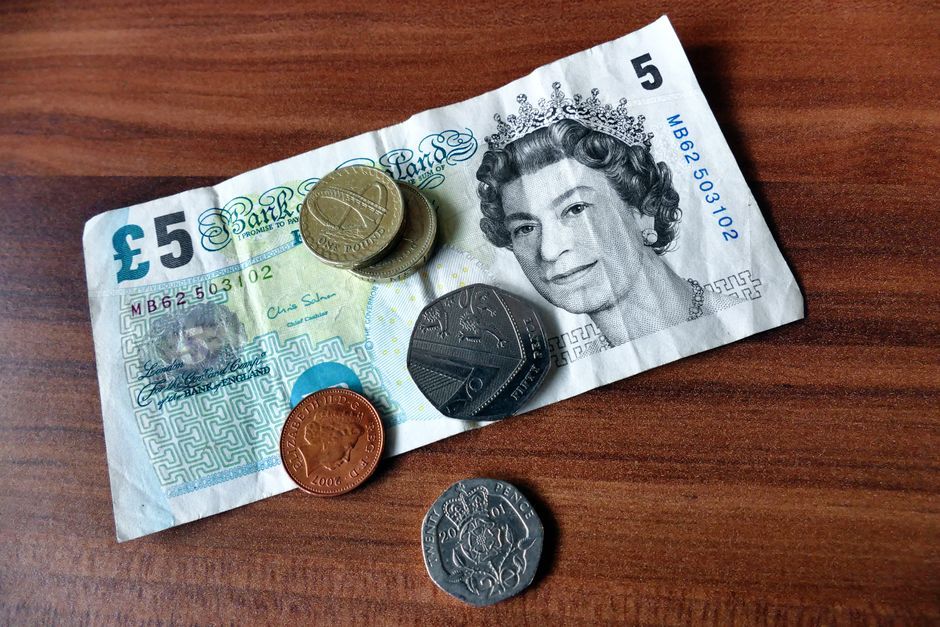
Stock photo for illustration only, not from the actual event
Chris Cheverall, head of UK at trading platform CMC Markets, noted that the decision is increasingly focused on the future path of monetary policy rather than just hitting the 4% milestone. The central bank must navigate a delicate balance between inflation that remains too high and a domestic economy with a sharply weakened growth outlook.
"The decision is increasingly less about whether rates reach 4% and more about what follows after that."
Chris Cheverall, Head of UK at CMC Markets
An increase in the Bank rate will immediately affect 510,000 tracker mortgage-holders. According to data from banking trade body UK Finance, a 0.25 percentage point increase would add £31 a month to repayments for a typical borrower. Meanwhile, 470,000 variable-rate mortgage-holders will depend on individual lender decisions, with a typical rise translating to an extra £14 monthly.
The anticipated rate rise underscores the complex macroeconomic challenges central banks face globally, attempting to temper inflation shocks without stifling fragile economic recovery. Higher borrowing costs ripple through property markets and household debt, altering financial planning for millions of consumers.
Borrowers on fixed-rate deals are insulated in the short term, though lenders have already priced in expected rate adjustments. Financial data service Moneyfacts reported that as of 4 November, average two-year and five-year fixed residential mortgage rates stood at 5.96% and 5.99% respectively. Homeowners rolling off deals secured five years ago—when average five-year rates were 1.30% among major lenders—face significantly steeper refinancing costs.
Conversely, the anticipated rate rise is welcome news for savers, who could see improved interest rates on their deposits as financial institutions adjust to the higher benchmark rate.
Source: BBC Business
Found something wrong in this article? Report an issue with this article
Comments
Leave a Comment