

US Democrats Take Control of Congress: New Power and Hurdles
Democrats secure majority in both the House and Senate in midterm elections, setting up a political clash with President Donald Trump.

Stock photo for illustration only, not from the actual event
- Democrats secure control of both the US House of Representatives and the Senate.
- President Donald Trump retains executive veto power over new legislation.
- Lawmakers plan to target corruption probes, healthcare, and high living costs.
- Analysts warn of potential legislative gridlock and partisan friction ahead.
The US midterm elections concluded with a major shift in power as the Democratic Party captured majorities in both chambers of Congress, prompting celebration among party members who will take over leadership in January.
Hakeem Jeffries, the House Democratic leader, joyfully declared on election night that today marks the beginning of a great American comeback. After months of campaigning on promises to investigate corruption, lower costs for healthcare, groceries, and petrol, and curtail the Iran war, the party must now transition from campaign rhetoric to actual governance.

Stock photo for illustration only, not from the actual event
A shift in the Washington power balance, however, does not mean Democrats can immediately enact their entire agenda. With Republican President Donald Trump still occupying the White House, the executive branch retains the power to reject legislation passed by the newly empowered Congress.
Congressman Robert Garcia of California is poised to lead a powerful oversight committee in the House, giving Democrats enhanced authority to scrutinize the final two years of Trump's administration. Meanwhile, the Senate holds the constitutional power to confirm or block cabinet and judicial nominations.
"We need to prove we can get stuff done, actually deliver answers to their concerns and questions about low wages and rising costs in particular."
Democratic Party official
In the American political system, a divided government often leads to legislative gridlock because the executive branch can veto bills while Congress controls the purse strings and oversight. Navigating this dynamic requires delicate bipartisan negotiation to prevent fiscal standoffs or government shutdowns.
Regarding presidential impeachment, while the House holds the power to initiate proceedings, conviction in the Senate requires a two-thirds supermajority of 67 votes. Given that Democrats lack these numbers, a successful removal remains out of reach, sparking internal party debates over whether pursuing impeachment is strategically wise.
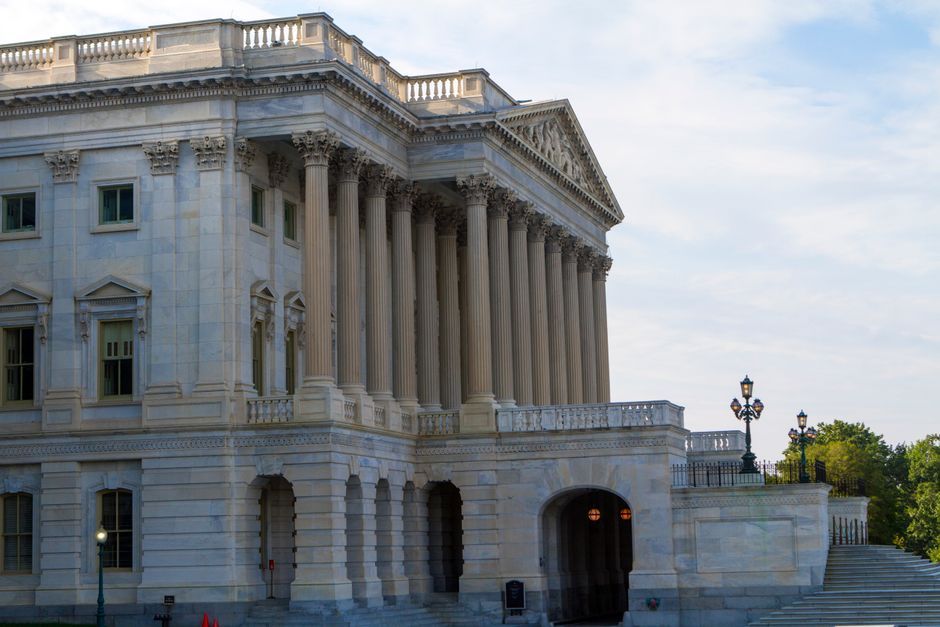
Stock photo for illustration only, not from the actual event
Source: BBC World
Found something wrong in this article? Report an issue with this article
Comments
Leave a Comment