

Inside Fifa's Plan: Four Reasons Why the World Cup Revenue Model Collapsed
Leaked Fifa documents reveal an American football-style revenue overhaul, soaring ticket prices, and a massive cash injection before the plan unraveled.
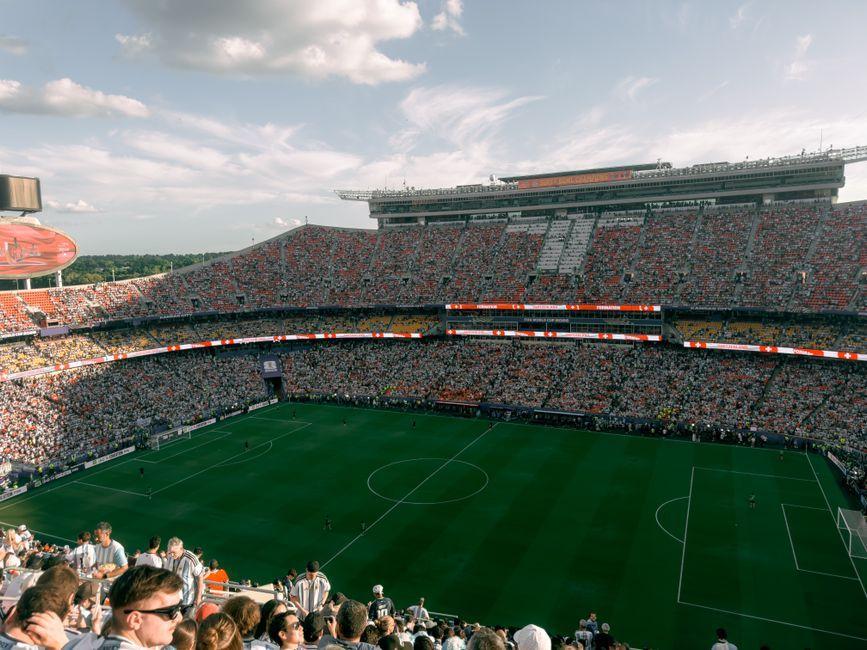
Stock photo for illustration only, not from the actual event
- A 25-page deck circulated to Fifa members outlined revenue goals matching American football.
- The plan proposed creating a private entity, Fifa Forward Enterprise (FFE), to run tournaments.
- A $4.2bn injection would fund $20m one-off payments to each of the 211 member associations.
- The ambitious proposal ultimately collapsed in a matter of days amid unanswered questions.
A 25-page slide deck was circulated to Fifa members this week, making the case for the controversial plan led by Fifa president Gianni Infantino, featuring imagery of Spain lifting the trophy and Argentina's supporters.
The documents painted a picture of American football-level revenue expectations, pointing toward a continuation of the controversial 2026 US-influenced World Cup model. It floated the potential for tickets priced at over $1,000, dynamic pricing, and mounting pressure to place the broadcasting of the world's biggest sports tournament behind a paywall.
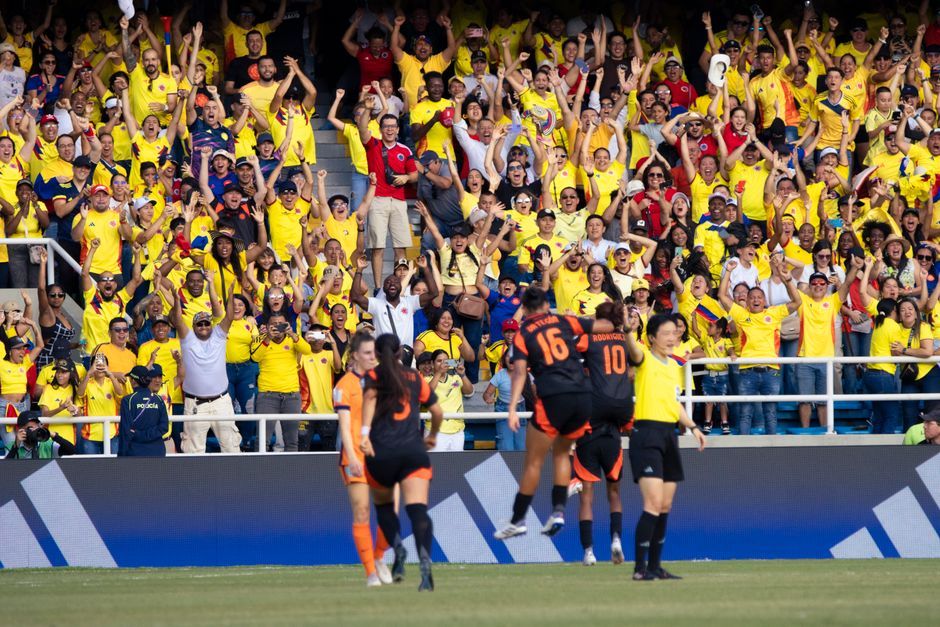
Stock photo for illustration only, not from the actual event
However, the documents made it clear that Fifa's arguments never truly stacked up, laying out four core reasons why the economic rationale failed to hold water.
First, the comparative charts relied on suspect metrics. The World Cup is held once every four years rather than annually; calculating revenue per match for the 2026 tournament reveals that Fifa actually generates multiples of the Premier League, potentially more than three times as much. Crucially, global football is decentralized, meaning individual leagues capture the bulk of revenues while Fifa wanted a larger slice of the pie.
Second, football's fanbase spans wealthy and impoverished nations alike, unlike the NFL's concentrated US base. Furthermore, roughly half of NFL revenues go toward player wages, whereas Fifa does not pay salaries for Erling Haaland, Lionel Messi, or Vozinha, making direct revenue comparisons misleading.
This analysis highlights a broader trend: private equity looking to extract maximum value from live sports assets that resist AI disruption. Yet, tying multi-billion-dollar investor funds to massive payouts for voting associations exposed deep governance vulnerabilities within global football administration.
According to the documents, a newly formed partly privatized entity called Fifa Forward Enterprise (FFE) would have become the operator of competitions like the World Cup, taking charge of ticketing, broadcasting, licensing, and sponsorships. This would have transferred governing power from a non-profit organization accountable to global football to a commercially backed enterprise.
Fifa previously noted it would grant FFE a 20% stake to raise an initial $4.2bn. This cash injection was intended to fund a $20m extraordinary infrastructure distribution to each of the 211 member associations holding a vote on Infantino's proposal. For smaller associations like Montserrat, this sum equaled nearly half of its entire economy, or $10,000 per citizen.
The lead investors were publicly identified as Thrive Eternal, managed by Joshua Kushner, the brother of US President Donald Trump's son-in-law. Kushner noted that the fund focuses on live sports because they represent assets with qualities that cannot be replicated by technology.
Ultimately, the proposal left behind an opaque structure designed to perpetuate high ticket prices, aggressive commercialization, and more frequent tournaments—a sweeping strategy that fell apart in a matter of days.
Source: BBC Business
Found something wrong in this article? Report an issue with this article
Comments
Leave a Comment