

Four midterms takeaways for 2028 White House race analysis
US midterm election results reshape the 2028 White House race, featuring key potential candidates from both Democrats and Republicans.

Stock photo for illustration only, not from the actual event
- Democrats secure major gains in Congress, setting momentum for the 2028 presidential race.
- Standout Democratic contenders like Jon Ossoff and Josh Shapiro score strong victories in key states.
- Vice-President JD Vance faces intense pressure following Republican midterms setbacks over foreign policy.
- Moderate and left-wing factions within the Democratic Party vie to shape future election strategies.
Ballots are still being counted in the US midterm elections, but the political landscape has already pivoted toward the 2028 White House race. Buoyed by major congressional gains, Democrats are building strong momentum as they prepare for the contest to succeed President Donald Trump.
However, a strong showing in midterms does not guarantee a presidential victory two years later. Barack Obama was re-elected in 2012 despite massive Republican gains in 2010. While no candidates have officially entered the race yet, potential contenders are actively preparing behind the scenes.
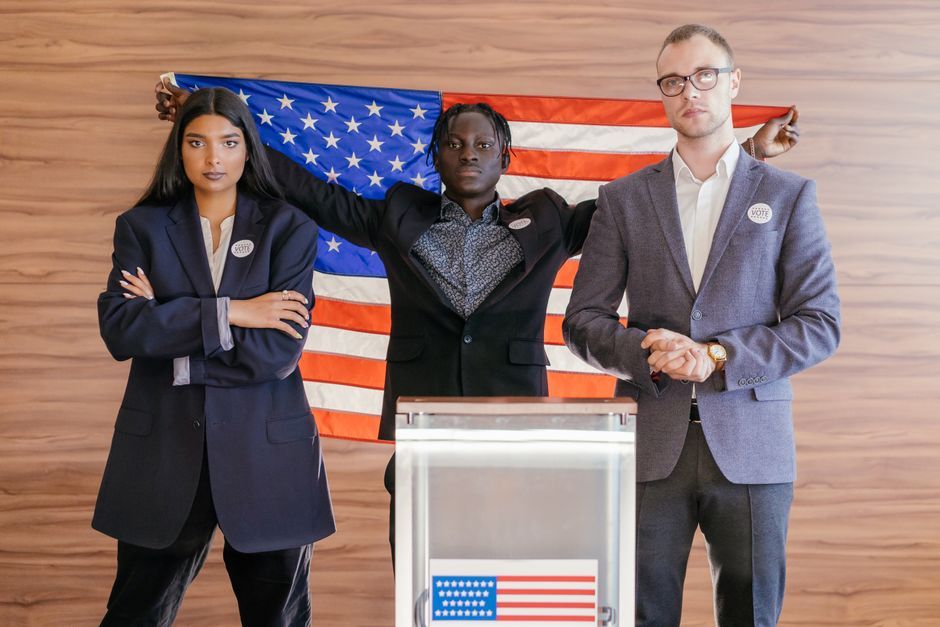
Stock photo for illustration only, not from the actual event
Several prominent potential presidential candidates competed in the recent midterms and emerged in strong positions. Georgia Democratic Senator Jon Ossoff won by a comfortable margin in a politically competitive state that Trump won back in 2024, boosting his national profile significantly.
On the Republican side, the swing against the party placed officials like Vice-President JD Vance and Secretary of State Marco Rubio under intense pressure. Vance has openly sought to distance himself from the defeat and controversial foreign policy decisions.
"The one person who has been hurt badly by this election campaign is Vance"
Karen Beckwith, Case Western Reserve University
US midterm elections traditionally serve as a referendum on the incumbent administration and a testing ground for future presidential hopefuls. Voter backlash often complicates the path for leaders tied directly to current policies, forcing potential successors to recalibrate their national messaging ahead of the presidential cycle.
Meanwhile, both the centrist and left-wing factions of the Democratic Party are claiming victory and jockeying for future influence. While left-wing candidates celebrate breakthroughs in swing states, the moderate Blue Dog Caucus nearly doubled its size in Congress, highlighting the ongoing debate over the party's future direction.
Source: BBC World
Found something wrong in this article? Report an issue with this article
Comments
Leave a Comment