

Diwali 2024: India Illuminates Homes and Temples Amid Pollution Crisis
Millions across India celebrate Diwali with oil lamps and fireworks, facing severe air pollution levels that reached a ten-year high in the capital Delhi.

Stock photo for illustration only, not from the actual event
- Communities across India celebrate Diwali by illuminating homes and temples with lamps.
- The festival falls on the darkest night of the Hindu lunar month of Kartik.
- Delhi and Mumbai grapple with severe air pollution worsened by firecrackers and weather.
- Five-day celebrations range from Dhanteras rituals to the final Bhai Dooj observances.
Millions of people across India are currently celebrating Diwali, the vibrant Hindu festival of lights, by illuminating homes, temples, offices, and streets with traditional oil lamps and colorful displays to symbolize the victory of light over darkness. This major festival takes place annually on the darkest night of the Hindu lunar month known as Kartik, a night when the moon remains entirely invisible in the sky.
Although specific traditions associated with Diwali vary widely across India's diverse regions and communities, the celebration is universally marked by prayers, family gatherings, the exchange of sweets, and the lighting of firecrackers. However, this year's festivities arrive amid mounting concerns over worsening air pollution, particularly across northern India, where seasonal weather patterns and crop residue burning compound the issue alongside celebratory fireworks.
Air pollution levels in the Indian capital of Delhi have escalated to hazardous extremes, marking the most polluted Diwali festival recorded in a decade, while newly introduced measures aimed at improving air quality appear unsuccessful. India's financial hub, Mumbai, has likewise registered elevated pollution levels over recent weeks. While manufacturers designed specialized firecrackers to produce lower emissions than conventional fireworks, critics continue to question their effectiveness and warn that traditional firecrackers still enter the capital from neighboring states.
"Repeated violations of firecracker restrictions leave cities grappling with worsening post-Diwali smog"
BBC World
Despite ongoing debates surrounding fireworks, Diwali holds profound spiritual significance commemorating the return of Lord Ram to Ayodhya after defeating Ravan, representing the ultimate triumph of good over evil and knowledge over ignorance. In the days preceding the event, families thoroughly clean and decorate their residences with flowers, lights, and traditional clay lamps known as diyas, alongside intricate rangoli patterns created at doorsteps.
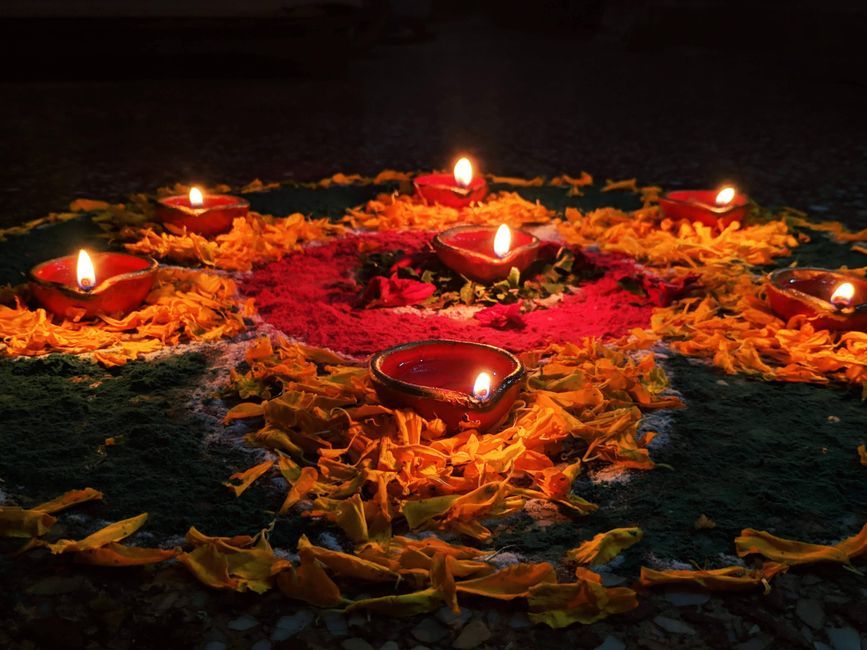
Stock photo for illustration only, not from the actual event
Diwali serves as a powerful cultural and economic anchor in India, highlighted by unique traditions such as the special one-hour Muhurat trading session held by stock exchanges where investors buy and sell shares for prosperity. Furthermore, Sikhs observe Bandi Chhor Divas and Jains mark the moksha of Lord Mahavira concurrently, demonstrating how this festive period bridges multiple religious traditions and communities globally.
Celebrations commenced on November 6 with Dhanteras, where purchasing gold, silver, or utensils is deemed auspicious for securing good fortune, followed by Chhoti Diwali on the second day. The third day marks the core celebration featuring evening prayers dedicated to Goddess Lakshmi, while the final days involve community New Year festivities and the Bhai Dooj celebration honoring the bond between brothers and sisters.
Source: BBC World
Found something wrong in this article? Report an issue with this article
Comments
Leave a Comment