

Sir John Curtice: The 'Burnham bounce' is real but it's not massive
Polling expert Sir John Curtice notes that Andy Burnham's takeover has given Labour a much-needed boost, but formidable electoral hurdles remain ahead.
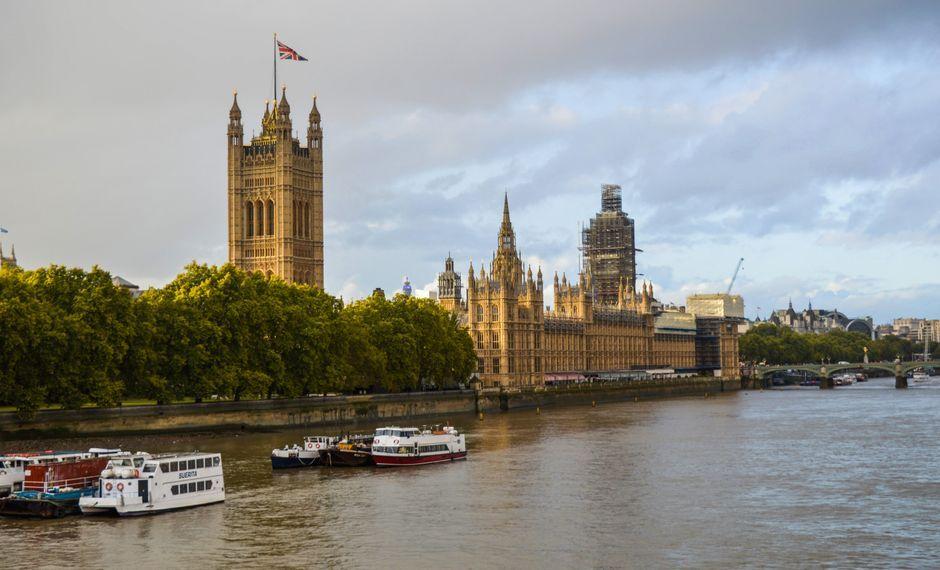
Stock photo for illustration only, not from the actual event
- Labour under Andy Burnham averages in the mid-20s, hitting its highest standing since early last year.
- Mid-term bounces for new prime ministers are a historical norm, with Liz Truss as the sole exception.
- The recent surge is largely driven by winning back voters from the Greens and Liberal Democrats.
- Reform UK's internal funding controversies have caused their poll numbers to slip temporarily.
Recent polling data indicates that the Labour Party, under the leadership of Andy Burnham, is averaging in the mid-20s. This marks the party's highest standing since the beginning of last year, a notable improvement from the 19% rating recorded in late June when Sir Keir Starmer announced his departure. Although Labour now holds a narrow lead over Reform, the party still faces a long and arduous road ahead before it can approach a general election with genuine confidence.
This upward tick in popularity is far from unprecedented. According to Professor Sir John Curtice, nearly all mid-term changes of prime minister have resulted in a popularity bump for the incumbent government. Labour support jumped by seven points after Gordon Brown succeeded Tony Blair in 2007, while the Conservatives enjoyed a six-point bounce when Boris Johnson took over from Theresa May in 2019. Only Liz Truss' arrival in Downing Street in 2022—overshadowed by the death of Queen Elizabeth II—failed to provide her party with a similar lift.
When evaluating this shift, one must consider the profound electoral deficit inherited by Burnham. The 19% rating left behind by Sir Keir was the lowest poll number passed on by any departing mid-term prime minister, falling even lower than the 23% bequeathed by Liz Truss following her 45-day tenure. Against that backdrop, even with the Burnham bounce, the party's poll average remains the lowest for any newly minted mid-term premier and trails significantly behind the 35% won in the 2024 general election.
"Burnham's arrival has given Labour new hope. But despite having overtaken Reform in the polls, the new Labour leader still has to prove he can win back the working class pro-Brexit voters."

Stock photo for illustration only, not from the actual event
The political phenomenon of a 'honeymoon period' typically occurs when a new leader takes charge, driven by public anticipation of fresh approaches and renewed optimism. However, these initial poll gains frequently subside if concrete structural reforms and policy promises fail to materialize. In Andy Burnham's case, the challenge is amplified because he started from the lowest baseline of any recent mid-term leader in British political history.
The primary driver behind this bounce has been the recovery of voters previously lost to the Greens and the Liberal Democrats. Both parties experienced a two-point drop following Burnham's uncontested victory, with the Greens suffering the most significant setback. Meanwhile, Reform UK has been plagued by questions regarding the legality of its funding sources and Nigel Farage's financial declarations, leading to Farage stepping down ahead of an upcoming by-election. Consequently, Kemi Badenoch's Conservative Party has edged up to 20% in the polls for the first time since last spring.
Source: BBC Politics
Found something wrong in this article? Report an issue with this article
Comments
Leave a Comment