

Pure Matcha VS Matcha Latte: Which is More Cost-Effective and Healthier?
A deep dive into the differences between pure matcha and matcha latte regarding calories, antioxidants, and overall value to help you choose wisely.
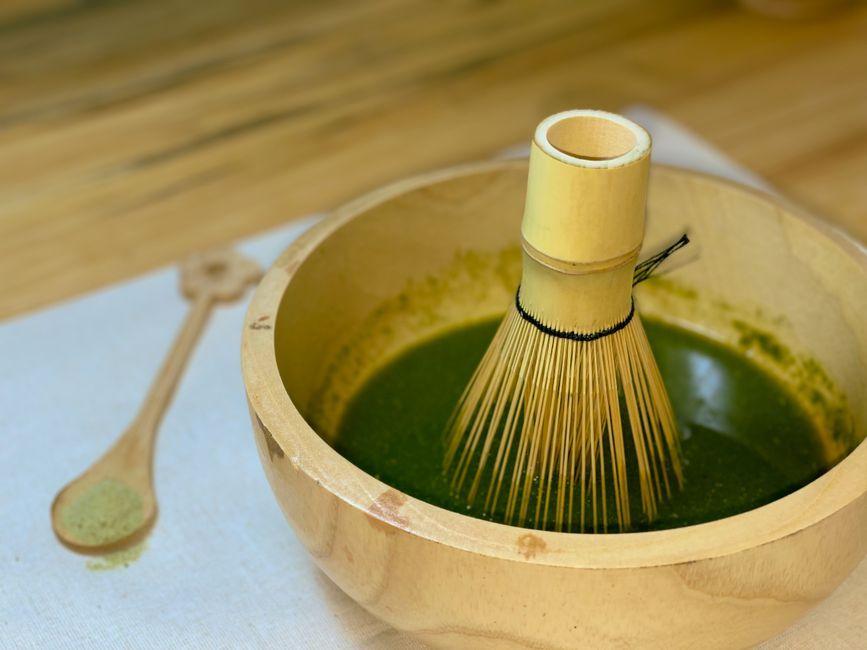
Stock photo for illustration only, not from the actual event
- Pure matcha provides only 5-10 calories per serving with zero sugar.
- Matcha lattes can range from 150 to 300+ calories depending on milk and sweetness.
- Casein protein in cow's milk may partially reduce the absorption of EGCG antioxidants.
- The best choice depends entirely on your personal health goals and lifestyle.
The trend of drinking matcha green tea remains popular among health enthusiasts and café-goers alike. However, standing in front of the counter, many often wonder whether Pure Matcha brewed with plain water or a creamy Matcha Latte delivers more matcha benefits and better value for money. Before comparing their value, it is essential to understand the core ingredients of both beverages.
Pure Matcha, known as Usucha or Cold Whisk, involves whisking finely ground matcha powder with hot or cold water without any additives. The flavor is bitter, rich, aromatic, and naturally umami depending on the tea grade. A Matcha Latte combines matcha powder with milk such as dairy, oat, or almond milk, typically sweetened with sugar or syrup for a smooth, creamy, and easy-to-drink profile. If your goal is health management, pure matcha is the most nutritionally pure option.
- High Antioxidants (EGCG): Matcha is rich in catechins, particularly EGCG, which boosts metabolism, slows cellular aging, and promotes heart health.
- Very Low Calories: A single glass of pure matcha contains only 5-10 kilocalories when unsweetened, making it ideal for weight control, IF, and ketogenic diets.
- Focus and Relaxation: It is high in the amino acid L-Theanine, which works alongside caffeine to provide calm alertness without heart palpitations like coffee.
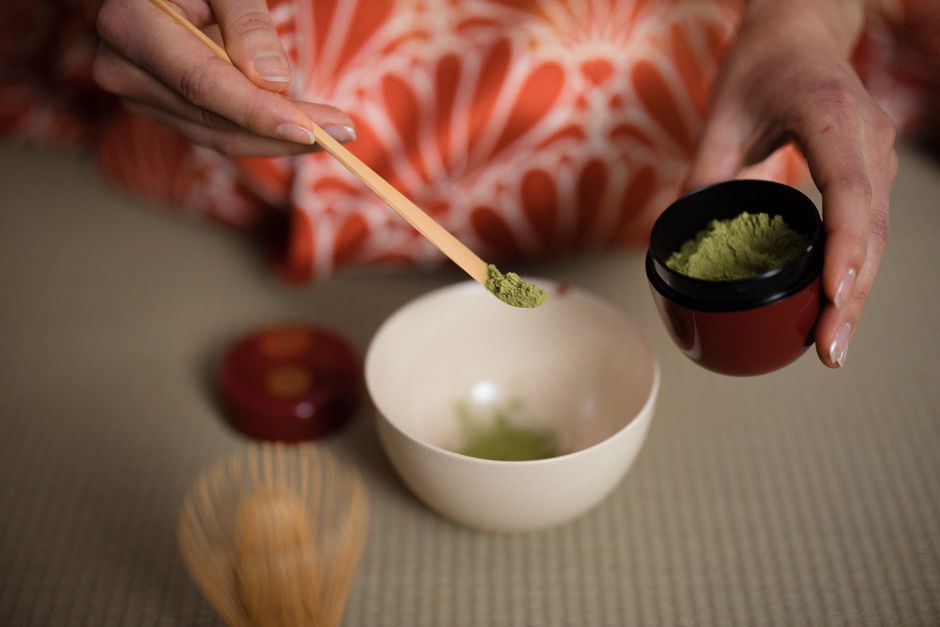
Stock photo for illustration only, not from the actual event
Although matcha lattes use matcha powder as a core base, adding milk and sugar impacts nutritional intake. Standard café matcha lattes can range from 150 to 300+ kilocalories based on milk type and sweetness levels. Nutritional research indicates that casein protein in cow's milk may bind with catechins in green tea, potentially reducing the absorption of antioxidants into the body, though drinkers still receive calcium and protein from the milk. Health-conscious individuals can switch to plant-based milk like unsweetened almond milk or oat milk and request low sweetness at 0-25% to significantly cut down calories.
Understanding the interaction between milk proteins and tea catechins helps consumers plan their green tea consumption more effectively. Drinking matcha with water yields maximum antioxidant benefits, while modifying milk and sweetness offers a satisfying middle ground for an afternoon energy boost.
Comparing the nutrition table, pure matcha has roughly 5-10 kcal, 0 grams of sugar, an intense umami bitter flavor, and a 5-star health value rating. A matcha latte contains about 150-300+ kcal, 10-25+ grams of sugar, a smooth creamy taste, and a 3-star health value rating. Pure matcha wins because every penny spent goes toward quality matcha powder and genuine antioxidants without fillers. Meanwhile, a matcha latte suits those looking for an afternoon drink that fills the stomach, provides energy, and offers sweet relaxation. Choosing between pure matcha and a matcha latte has no wrong answer, depending entirely on your health goals and lifestyle.
Source: Thairath Lifestyle
Found something wrong in this article? Report an issue with this article
Comments
Leave a Comment