

Nida Poll: ‘Thai Chuay Thai Plus’ Boosts Economy, But Political Support Remains Uncertain
The latest Nida Poll reveals strong public participation in the Thai Chuay Thai Plus project and positive feedback on economic stimulus, yet voters remain undecided on backing the government.
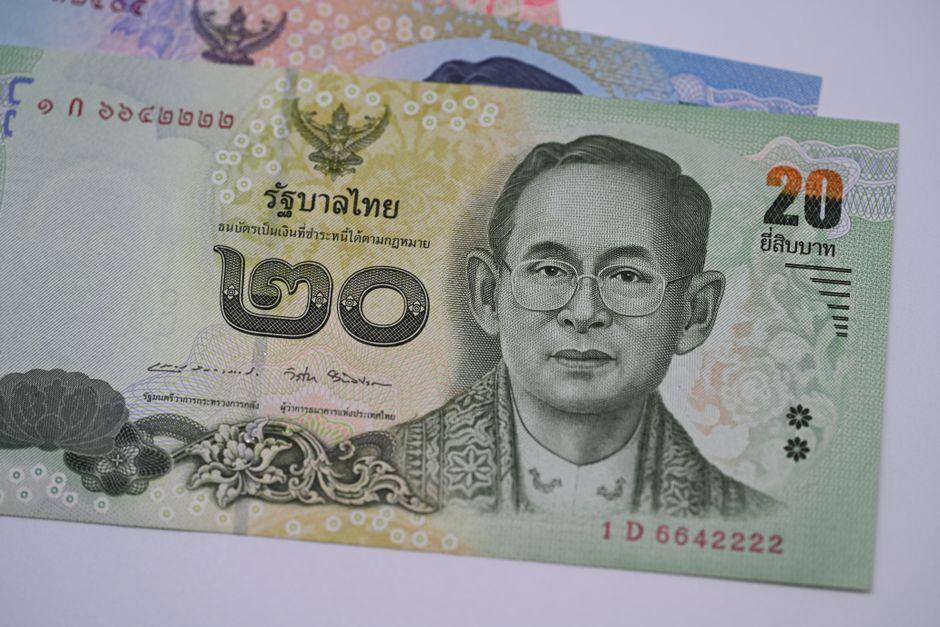
Stock photo for illustration only, not from the actual event
- 71.35% of respondents participated as general citizens to purchase goods
- Over 81% of participants noted improvements in income and business trade
- 33.24% remain undecided on whether to support the government after joining
The National Institute of Development Administration (Nida Poll) has released survey results regarding the public's perspective on the “Thai Chuay Thai Plus” economic stimulus and its political impact. Conducted between February 18 and 20, 2025, the poll gathered data from citizens aged 18 and above nationwide across various occupations and education levels, utilizing a multi-stage probability sampling method from the Master Sample database and phone interviews with a sampling error margin of no more than 0.05 at a 97.0 percent confidence level.
According to the survey on project participation, 71.35 percent of respondents reported participating as general individuals to spend and buy products. This was followed by 25.19 percent who did not join the initiative, 1.89 percent who participated as merchants or business operators, and 1.57 percent who participated as both individuals and business owners.
Among those who did not join the project, totaling 466 sample units, 47.42 percent cited being ineligible for the initiative. Meanwhile, 27.04 percent expressed a lack of interest, 24.47 percent missed the registration window, and 1.07 percent reported other reasons such as not knowing how to register or lacking a smartphone.
The significant portion of citizens who were ineligible or missed registration highlights ongoing structural hurdles in digital welfare distribution. Issues involving smartphone accessibility and registration clarity remain critical bottlenecks that policymakers must address to ensure inclusive economic recovery.

Stock photo for illustration only, not from the actual event
For the 1,384 respondents who successfully participated as individuals or merchants, feedback on three main areas showed positive results. Regarding increased trade income, 42.12 percent stated it helped significantly, and 39.52 percent reported it helped quite a bit. For expense reduction, 48.92 percent found it quite helpful, while 40.61 percent said it helped a lot. In terms of national economic stimulus, 45.09 percent noted it helped quite a bit, and 33.74 percent stated it helped significantly.
Nevertheless, when questioned about whether project benefits influenced their political stance toward the government, 33.24 percent remained unsure of their decision. Another 26.81 percent indicated it gave them a reason to support the administration, whereas 25.43 percent stated they would not support the government regardless. Additionally, 14.23 percent said they would back the government with or without the project, and 0.29 percent declined to answer or expressed no interest.
Source: Khaosod Politics
Found something wrong in this article? Report an issue with this article
Comments
Leave a Comment