

Two Roads Diverged for Robotaxis: Federal Push Meets Local Brakes
The autonomous vehicle industry faces a tug-of-war as federal regulators accelerate deployments while state and local officials tighten oversight.
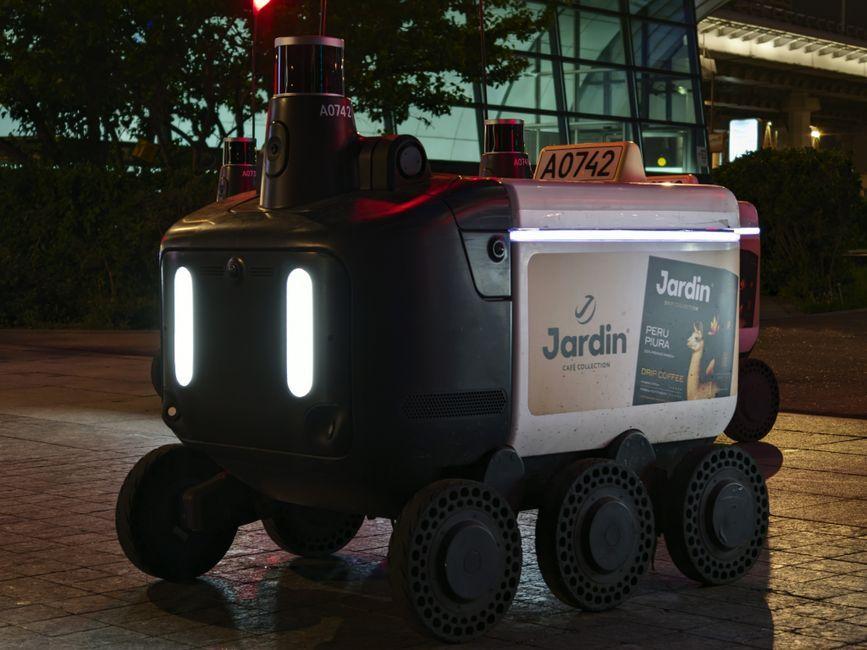
Stock photo for illustration only, not from the actual event
- NHTSA grants Zoox temporary exemptions from eight federal safety standards
- Zoox prepares to launch commercial paid robotaxi rides in Las Vegas
- Rep. Kevin Mullin proposes a bill for national autonomous safety standards
The autonomous vehicle industry is navigating a severe push-and-pull dynamic this week, as federal authorities attempt to accelerate deployment while local officials put up roadblocks. The National Highway Traffic Safety Administration rolled out several initiatives aimed at cutting red tape to speed up the rollout of autonomous technologies.
The most prominent move involves NHTSA granting Zoox a temporary exemption from eight federal motor vehicle safety standards. This clearance removes one of the final major regulatory hurdles for the company to launch a commercial service. According to Zoox, paid passenger trips are imminent, with Las Vegas slated as the very first market where riders will be charged for fares in its custom-built vehicle.
The regulatory carve-out granted to Zoox highlights the federal government's willingness to provide temporary flexibilities for unique, purpose-built autonomous pods that lack traditional controls like steering wheels and pedals. This strategy is designed to keep domestic AV developers competitive on the global stage despite strict baseline safety mandates.
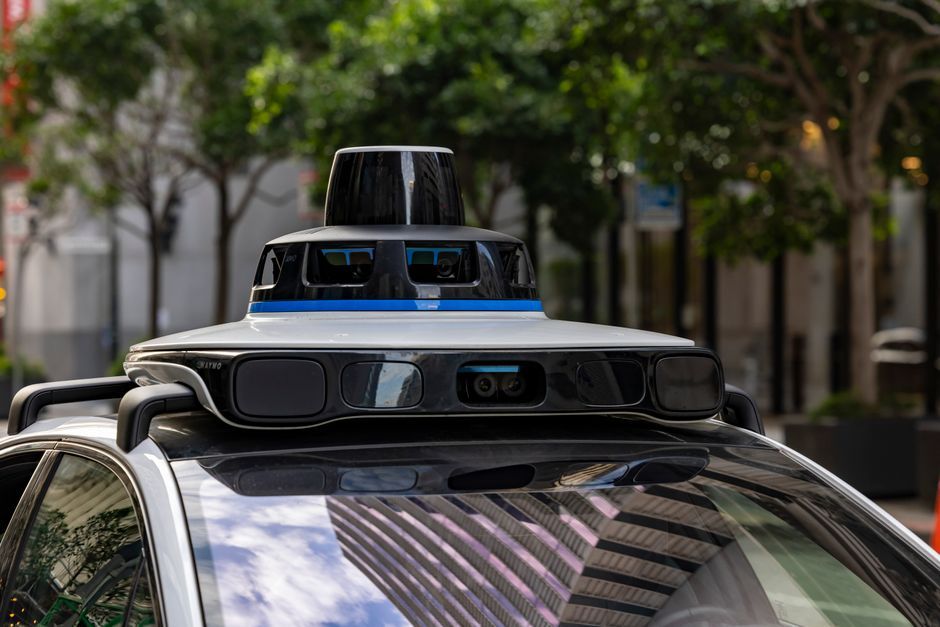
Stock photo for illustration only, not from the actual event
On the flip side, local authorities and municipal leaders are pushing back over growing safety concerns. San Francisco Mayor Daniel Lurie previously urged state regulators to strengthen oversight after Waymo robotaxis stalled out during heavy July 4 holiday traffic, draining their batteries and blocking critical roadways to worsen urban congestion.
These escalating tensions have now reached Capitol Hill. Rep. Kevin Mullin of California introduced a new bill designed to force federal regulators to establish mandatory minimum national safety standards for all autonomous vehicle operators.
“We have seen disturbing, and frankly, an unacceptable number of incidents where autonomous vehicles inadvertently interfere with emergency responders,”
Kevin Mullin
Beyond the robotaxi arena, the broader transportation and tech landscape saw several notable developments. Lucid secured fresh financial backing from Saudi Prince Al Waleed bin Talal Al Saud, who acquired over 19 million shares representing roughly a 5% stake in the automaker. Meanwhile, Elon Musk's tunneling venture The Boring Company entered talks to secure a $4 billion funding round at a $20 billion valuation. In a surprising twist, the state of Florida opted to repurpose $200 million awarded under the federal National Electric Vehicle Infrastructure program, choosing to build 32 landing pads equipped with charging stations for electric vertical take-off and landing aircraft instead of standard car chargers.
Source: TechCrunch
Found something wrong in this article? Report an issue with this article
Comments
Leave a Comment