

No Guarantees: Joyful Glasgow Cannot Banish All Commonwealth Doubts
The Glasgow 2026 Commonwealth Games concluded with success and joy, but deep-seated questions regarding the tournament's financial and logistical future remain.
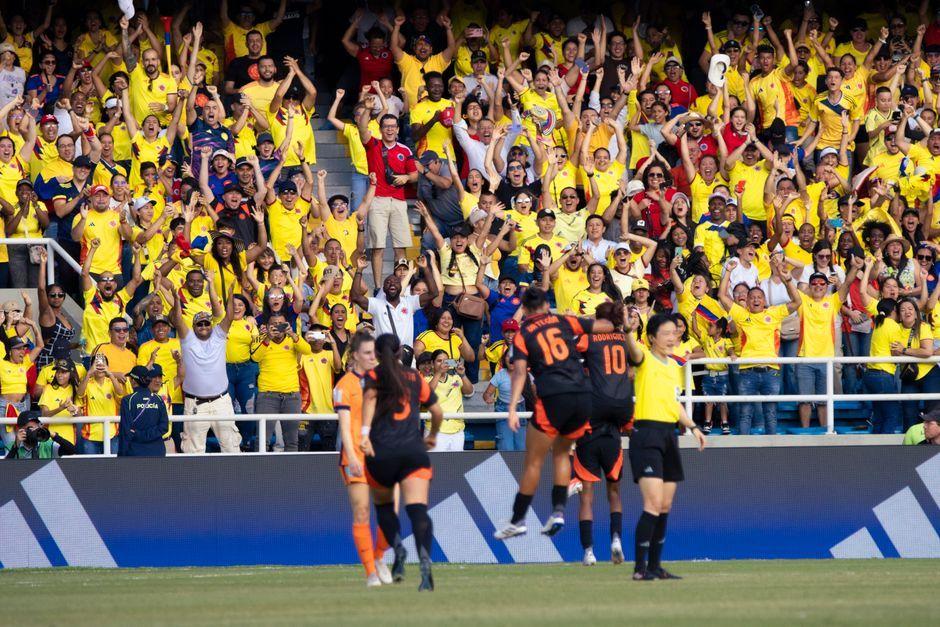
Stock photo for illustration only, not from the actual event
- Glasgow successfully performed the rescue operation for the 2026 Commonwealth Games.
- Ticket sales reached 434,000, down from previous editions due to a scaled-back format.
- Ahmedabad, India, is set to host the centennial celebration event in 2030.
- Rising costs and budget management present significant ongoing challenges.
The Commonwealth Games 2026 came to a close on Sunday evening after eleven days of intense competition, featuring 674 medals and bringing joy to thousands of fans packed into venues across Glasgow, Scotland. Stepping up to answer the SOS call after Victoria withdrew in 2023, organizers noted that the past eleven days exceeded all expectations. While minor grumbles emerged from locals regarding parking spaces and businesses left untouched by the event, the atmosphere on the ground felt genuinely meaningful.
Although total ticket sales of 434,000 were well below the 1.5 million recorded in Birmingham 2022, this drop was anticipated due to the scaled-back venues for this edition. Excitement ran high for fans celebrating moments like Josh Kerr's golden homecoming at Scotstoun, Angharad Evans shaking the swimming pool, and Neil Fachie's emotional victory at the Sir Chris Hoy Velodrome, alongside Jamaica's historic netball win over Australia.
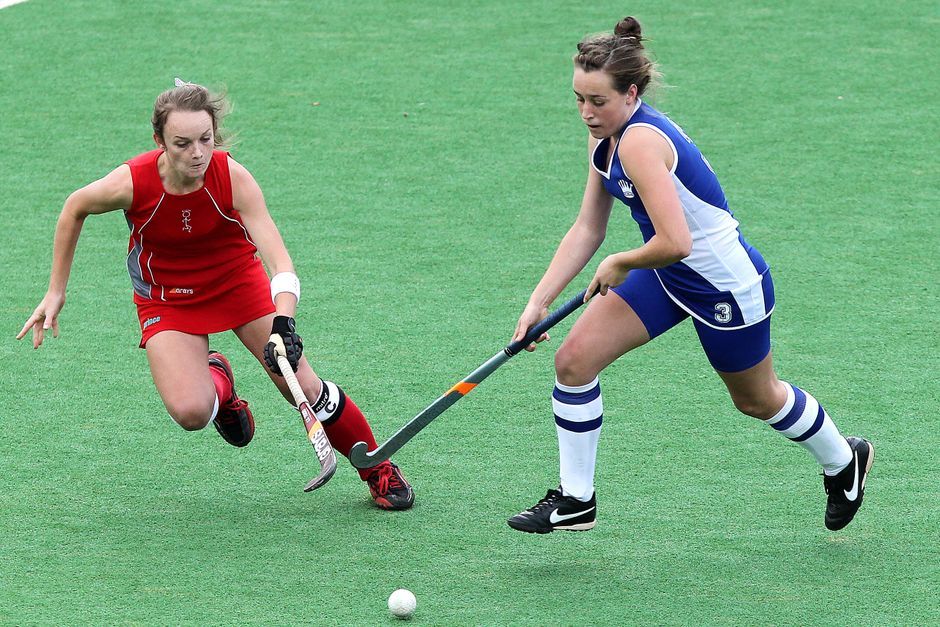
Stock photo for illustration only, not from the actual event
A nagging question persisted throughout the event: was anyone else watching? While star athletes like Adam Peaty broke out of the Glasgow bubble, audience reach varied. Organisers reported that social media views surpassed Birmingham within the first few days, alongside record-breaking television figures in Australia and New Zealand where the events aired free-to-air. Still, without equal coverage in the UK, the Games occasionally drifted by, compounded by the absence or late withdrawal of top-tier track and field stars like Keely Hodgkinson, Katarina Johnson-Thompson, and Dina Asher-Smith.
Glasgow's willingness to step in as a late replacement saved the Commonwealth Games from immediate collapse, but the structural model of the event faces a severe test. As the games look toward Ahmedabad in 2030—an event intertwined with India's broader ambitions to host the Olympics—organisers must balance expanding sports slates and escalating budgets against the lessons learned from past logistical hurdles.
Attention now shifts to Ahmedabad, India, which stands as the next host for the centennial anniversary in 2030 after Victoria's withdrawal. The budget for Ahmedabad 2030 is projected at nearly double Glasgow's £160m, which itself was slashed from £800m. Furthermore, the number of sports is set to rise from 10 in Glasgow to 17, with reintroduced disciplines expected to include cricket, shooting, archery, and hockey.
"I always looked up to it as a little girl and wanted to compete at a Commonwealth Games. It is a big part of our development and one of the goals an athlete has."
Rose Davies
Despite scheduling hurdles and financial scaling challenges, the underlying drive from athletes remains steadfast. Australian 5,000m runner Rose Davies, part of a squad that claimed 70 out of 216 golds, captured this sentiment, alongside Tarona Taafaki, who secured Tuvalu's first-ever Commonwealth medal. As long as that competitive desire burns among athletes and nations, hope for the future of the Games endures.
Source: BBC Sport
Found something wrong in this article? Report an issue with this article
Comments
Leave a Comment