

US and Japan take action to prop up yen in rare joint move
Japan and the US have confirmed a joint currency intervention last week to halt the yen's slide after it hit a fresh 40-year low.
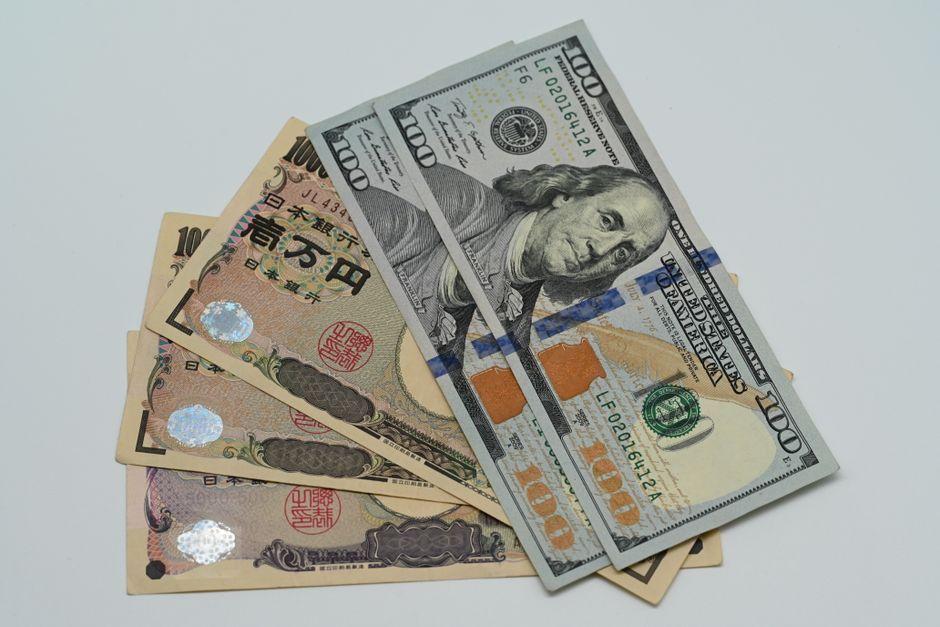
Stock photo for illustration only, not from the actual event
- The US and Japan carried out a joint currency intervention for the first time since 2011.
- The action aims to stop the yen's sharp decline to a 40-year low.
- US Treasury Secretary Scott Bessent's notepad revealed a plan to buy $5-10 billion in Japanese yen.
Japan's Ministry of Finance and US Treasury Secretary Scott Bessent have confirmed that both nations jointly intervened last week to halt a steep slide in the yen after the currency weakened to a fresh 40-year low. This joint intervention marks the first of its kind since 2011, when both countries coordinated actions to weaken the yen following the devastating earthquake and tsunami in eastern Japan. Both officials emphasized that they will not hesitate to conduct further joint interventions in the future to protect global economic stability.
The historical weakness of the yen is primarily driven by Japan maintaining significantly lower central bank interest rates compared to other major economies like the US. The Bank of Japan raised its benchmark rate to 1% in June, marking the highest level since September 1995, whereas the US Federal Reserve's benchmark rate sits between 3.50% and 3.75%. This gap makes the Japanese currency less attractive to international investors. Additionally, Japan faces structural hurdles including a decades-long decline in its working-age population, low productivity, and a heavy reliance on energy imports priced in US dollars.

Stock photo for illustration only, not from the actual event
Shigeto Nagai, head of Japan economics at Oxford Economics, told the BBC that the United States agreed to participate because it serves its national interests by offering significant benefits at a low cost. He added that the two countries are expected to continue intervening intermittently in a coordinated manner for some time. Even if the actual intervention amount is not exceptionally large, maintaining prolonged vigilance will effectively deter speculators. Meanwhile, Scott Bessent stated in a social media post that the coordinated foreign exchange actions successfully countered disorderly yen movements.
"The United States agreed to participate in the coordinated intervention because it serves its national interests by offering the prospect of significant benefits at a low cost."
Shigeto Nagai, Oxford Economics
Joint currency interventions between superpowers like the US and Japan are exceptionally rare because central banks typically guard their monetary policy independence. Washington's decision to back Tokyo highlights growing concerns that runaway depreciation in the yen and Japanese government bonds could spill over and impact global economic stability, including lifting borrowing costs in the US. By joining forces, both nations deployed a powerful psychological deterrent against speculative market forces.
Bank of Japan data indicated that Tokyo may have unloaded nearly $59 billion worth of US dollars to buy yen during its intervention in New York markets on Thursday, ahead of Friday's confirmed joint action with Washington. While the US has not officially disclosed the size of its intervention, a Reuters photograph capturing a notepad in front of Bessent during a cabinet meeting on Friday displayed the handwritten note: "To Do: Buy Japanese Yen $5-10 bil".
Source: BBC Business
Found something wrong in this article? Report an issue with this article
Comments
Leave a Comment