

Reform UK plans to deploy Royal Navy to halt small boats in Channel
Reform UK outlines a plan to launch the largest military operation in the English Channel since World War II to intercept migrant boats, drawing skepticism from officials and experts.
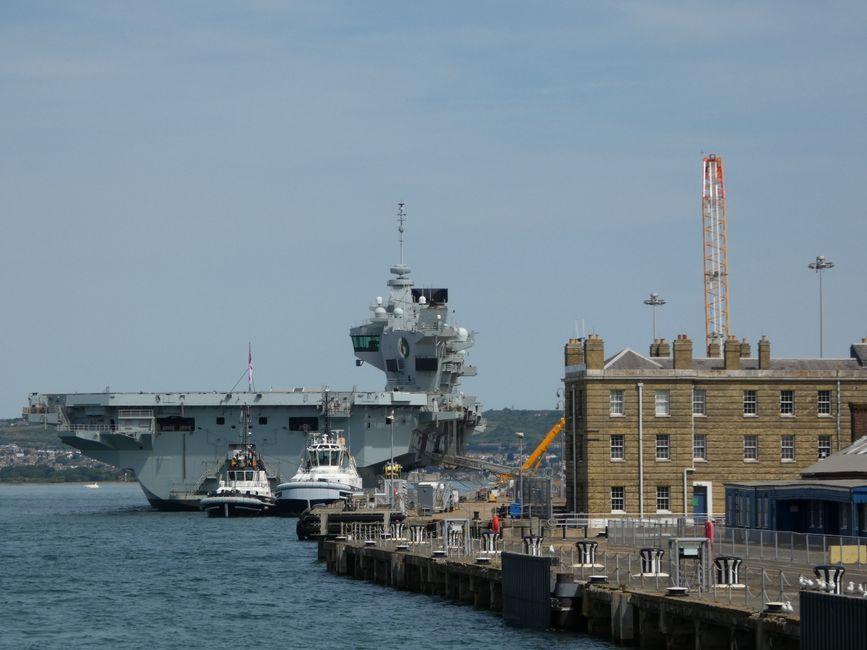
Stock photo for illustration only, not from the actual event
- Reform UK plans to form the largest military operation in the Channel since World War Two.
- Royal Navy vessels would intercept all migrant boats under the guise of humanitarian missions.
- The government and retired naval commanders warn of prolonged disputes with France.
- Home Office data shows small boat crossings have dropped by roughly 43% this year.
Under new plans to be unveiled at a press conference, Reform UK intends to establish what it describes as the largest military operation in the English Channel since World War Two. The strategy involves deploying Royal Navy vessels to intercept all migrant boats crossing the channel as part of a humanitarian response.
Zia Yusuf, the party's home affairs spokesman, argued that the scheme would comply with the European Convention on Human Rights, citing Article 2 and its protection of the right to life. Despite pushback regarding the legal requirement for French consent to return migrants, Yusuf insisted the approach remains entirely viable.
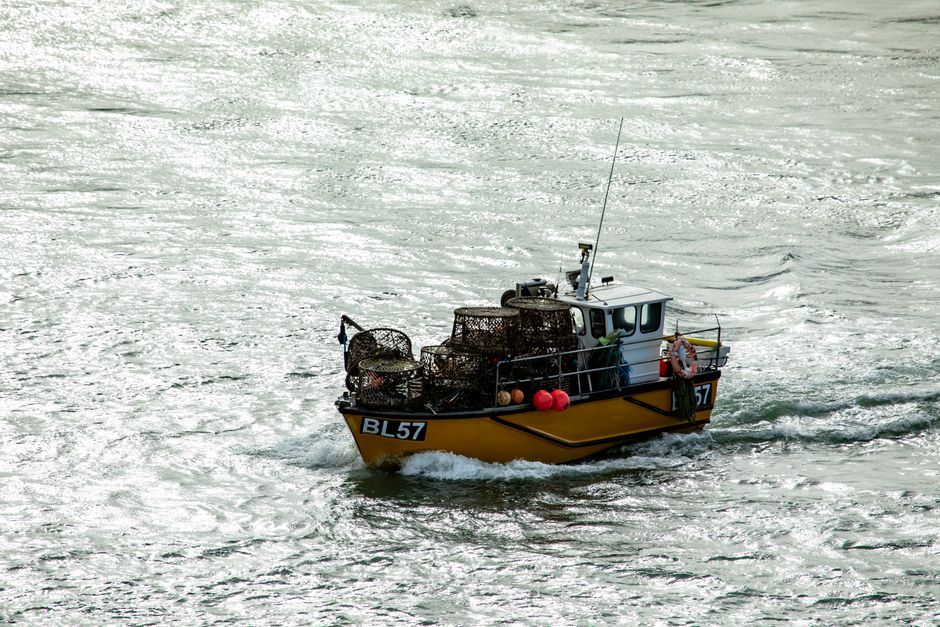
Stock photo for illustration only, not from the actual event
Energy Secretary Miatta Fahnbulleh criticized the proposal during an appearance on BBC Radio 4's Today programme, stating that it would result in spending significant time arguing with France. Meanwhile, the prime minister visited Dover over the weekend, announcing a complete overhaul of the government's approach to small boats alongside a doubling of enforcement officers targeting people-smuggling gangs.
According to Home Office figures, National Crime Agency personnel tackling smuggling operations have grown to nearly 800 officers, up from 376 at the start of 2025. In response to Reform's proposal, retired Royal Navy commander Tom Sharpe told the BBC that the UK border force is far better equipped to handle migrant arrivals than warships.
"Warships designed for tasks including anti-submarine defences are not best used for ferrying people around."
Tom Sharpe, Retired Royal Navy Commander
Context on the English Channel migration debate: The issue of small boat crossings remains a central and highly contested topic in British politics. While official statistics show a downward trend in crossings compared to previous years, political parties remain deeply divided on the best enforcement strategies, ranging from naval interdiction at sea to international intelligence efforts aimed at dismantling people-smuggling syndicates.
Source: BBC Politics
Found something wrong in this article? Report an issue with this article
Comments
Leave a Comment