

Thai MP Clarifies School Milk Controversy After Remarks on Surplus Milk Fed to Dogs
MP Suthichai addresses the viral discussion regarding surplus school milk in urban areas, urging the OBEC to revise budget allocation systems based on actual local needs.
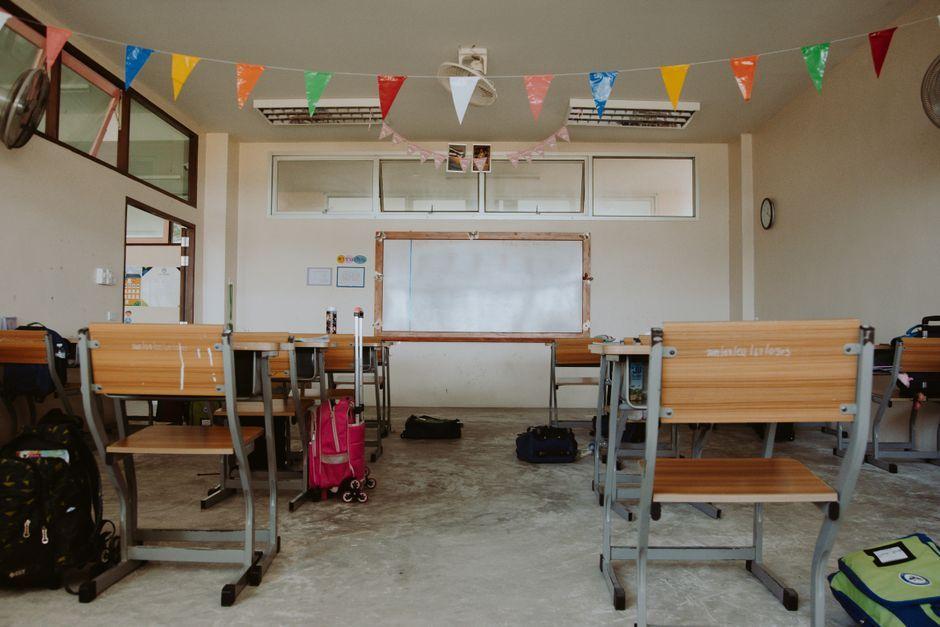
Stock photo for illustration only, not from the actual event
- MP Suthichai clarifies the recent controversy over surplus school milk being fed to dogs.
- The issue originated from his remarks during a budget committee session on August 4.
- He proposes that OBEC review regulations and allocate budgets matching actual local demand.
- He emphasizes that the proposal aims to optimize public funds rather than strip children of rights.
Following a heated social media debate over school milk wastage, MP Suthichai has stepped forward to clarify the background of his remarks, asserting that his intention was to highlight structural issues requiring concrete solutions rather than leaving public funds tied to rigid, outdated bureaucratic frameworks.
Suthichai stated that he proposed the Office of the Basic Education Commission (OBEC) reconsider its approach and budget allocation system by utilizing factual data from each specific area. Furthermore, schools should survey students' actual consumption habits, the number of active consumers, and nutritional necessities so that milk distribution genuinely aligns with local realities instead of blindly following traditional regulations.
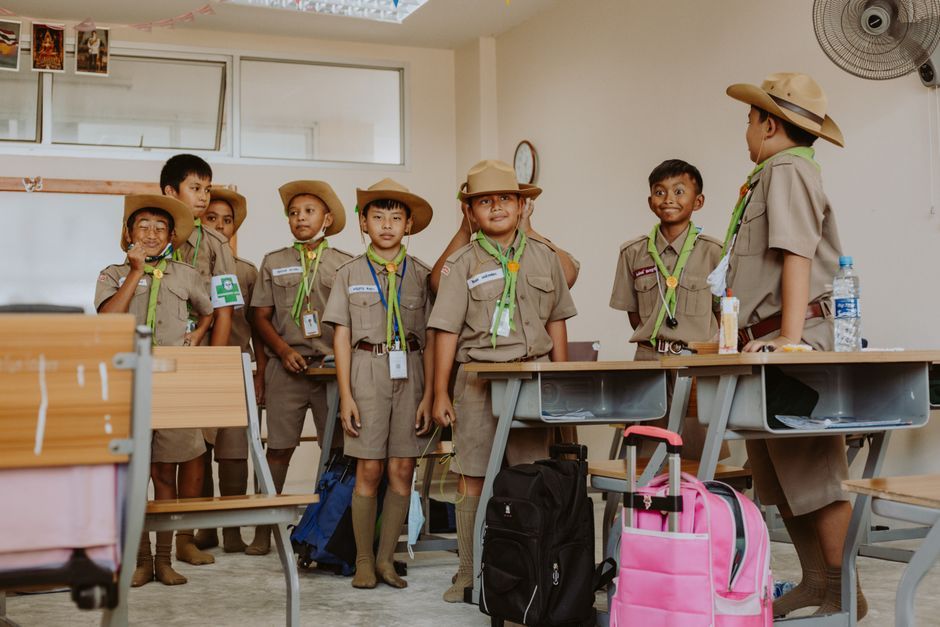
Stock photo for illustration only, not from the actual event
Emphasizing fiscal responsibility, Suthichai noted that an effective budget is not merely about exhausting funds within a framework, but maximizing every baht of taxpayer money to genuinely benefit Thai children. The ultimate goal remains elevating nutritional standards and quality of life for youth, rather than adhering to rigid distribution systems unsuited for modern conditions.
"I affirm that proposing this review is not about diminishing the rights or opportunities of Thai children, but rather about making the system more efficient so that every single baht reaches the children who truly need it, maximizing benefits for the future of our youth."
Suthichai
The controversy originally stemmed from Suthichai's speech during the House Committee on Budget deliberation on August 4. During the session, he pointed out a contrasting reality between rural schools, where milk remains a vital necessity, and urban schools—such as an example mentioned regarding Roi Et province—where urban children often prefer commercial milk brands. Consequently, large quantities of government-supplied school milk accumulate, burdening teachers who must carry them home or resort to feeding them to stray dogs, prompting his question on whether allocations could be cut where supplies are truly unnecessary.
This school milk debate highlights systemic challenges within centralized public budget management, which frequently struggles with 'one-size-fits-all' policies. Urban and rural students exhibit vastly different consumer behaviors and access to commercial alternatives. For OBEC to successfully reform distribution criteria, flexible decentralization is vital, allowing educational institutions to accurately forecast demand in advance to mitigate food waste and ensure long-term fiscal efficiency.
Source: Matichon Politics
Found something wrong in this article? Report an issue with this article
Comments
Leave a Comment