

Severe Wildfire Threats: Hotels Worldwide Rush to Adapt Against Soaring Insurance Costs and Toxic Smoke
The hotel industry faces increasingly severe and widespread wildfire risks, prompting insurance companies to raise premiums and shift toward evaluating building resilience rather than just location.
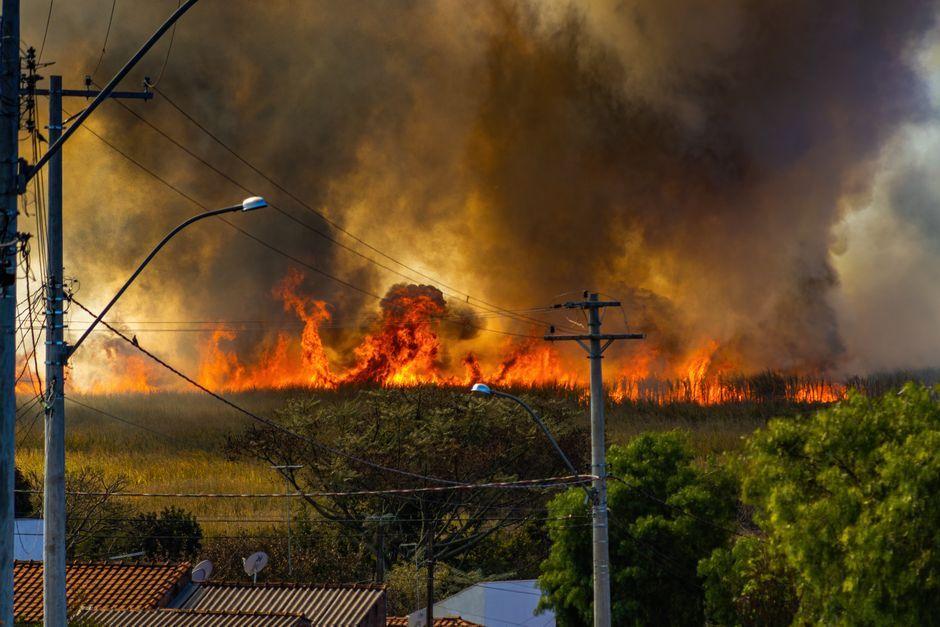
Stock photo for illustration only, not from the actual event
- Wildfires and toxic smoke are expanding, impacting hotels and resorts outside traditional risk zones.
- Insurance companies have raised premiums by an average of 17-26%, surging past 50% in high-risk areas.
- Nature-close resorts and accommodations face growing challenges regarding safety and revenue.
- Hotels are turning to automated protection systems and upgraded building materials to mitigate risks.
Frequent and escalating wildfires in the United States and Europe, which have faced three consecutive heatwaves leaving the ground parched, are directly impacting the hospitality industry. Resorts, campsites, vineyards, ski areas, and national park lodges—often designed to be close to nature and highly vulnerable to wildfires—are bearing the brunt. Furthermore, even hotels situated far from the actual fire zones can suffer damage as smoke and embers travel great distances on the wind.
These impacts have led to lower occupancy rates, higher operating costs amid business disruptions, and rapidly escalating insurance bills. In Europe, over 10,000 residents and tourists in southwestern France had to be evacuated within just a single week. Meanwhile, wildfire impacts are no longer confined to traditional risk zones, as seen with smoke from Canadian wildfires blanketing cities across the U.S. Midwest, Great Lakes, and East Coast, alongside fires in Spain, Greece, and the United Kingdom.
The devastation caused by these natural disasters has left deep scars on the tourism industry. The 2023 wildfires on the island of Maui caused tourism spending to plummet by 61% compared to the same period the previous year, while wildfires in Los Angeles caused widespread damage. This prompted insurance companies to change their risk assessment methods, moving away from merely considering location and instead evaluating the resilience and disaster preparedness of the buildings themselves. This shift is driving hotel operators to urgently upgrade property safety measures to cope with the situation.
The adoption of asset-resilience risk assessments by insurance companies reflects the reality that climate disasters have become tangible business costs. Investments by hotels and resorts in alternative building materials, automated sprinkler systems, or defensible space management represent proactive adjustments that help reduce long-term damage. Despite the high initial costs, this is the new normal for the hospitality industry, where climate resilience must be prioritized alongside occupancy rates.
To address growing risks, hotel operators must combine traditional measures with new technologies. This includes managing open spaces around buildings, clearing weeds, using fire-resistant construction materials, establishing emergency response plans, and maintaining close coordination with insurance companies and rescue agencies. Additionally, adopting modern technologies—such as automated wildfire sprinkler systems powered by ember-detection sensors—helps limit risks and keep insurance premiums from spiraling out of control.
Source: Skift
Found something wrong in this article? Report an issue with this article
Comments
Leave a Comment