

Israel accused of weaponising archaeology at ancient West Bank sites
Unesco designates ancient Sebastia as a World Heritage site in danger amid Israeli land expropriation plans.
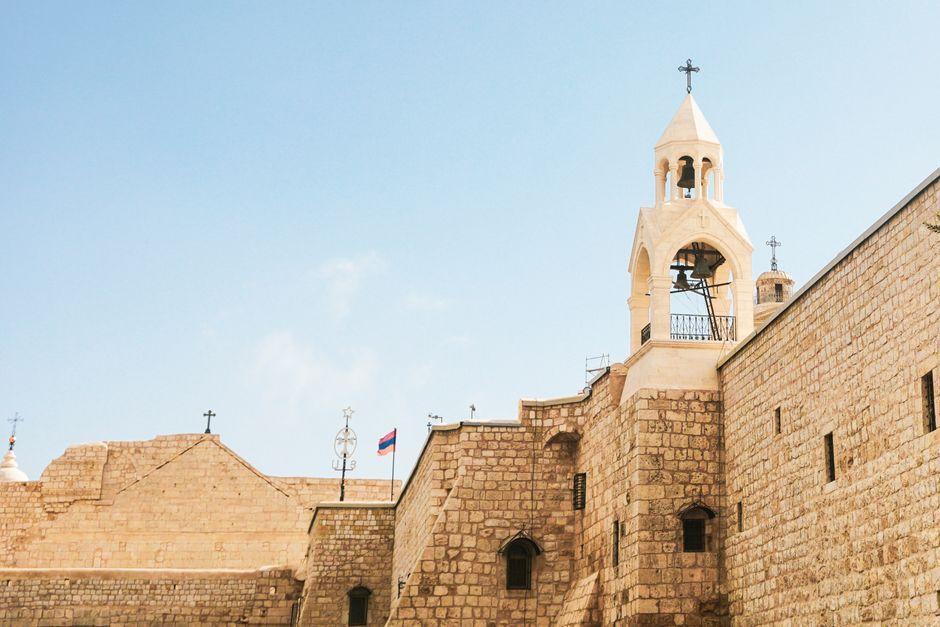
Stock photo for illustration only, not from the actual event
- Israel plans to seize roughly 450 acres around the ancient site of Sebastia
- Unesco added Sebastia to its World Heritage in Danger list on July 25
- Israel allocated about 113 million shekels to expand archaeological control in the West Bank
Up in the hills above the Roman columns of the ancient site of Sebastia, in the occupied West Bank, olive fields have been cultivated for generations by Palestinian families. One of the landowners, Abu Mudif, stated that he received notification regarding his land being part of a 450-acre tranche that Israeli authorities are taking possession of to protect and develop the site into a major new national park.
Palestinian landowners typically receive little to no compensation for such expropriation, and even when offered, most refuse as they view acceptance as legitimizing the loss of their patrimony. Abu Mudif described the loss by stating it feels like having your soul ripped away and being unable to imagine life without his land. Meanwhile, Nahed Sakha, owner of a local restaurant facing demolition threats, noted that the Israeli plan appears designed to cut Palestinian residents off from the thousands-of-years-old archaeological site.
The Sebastia site contains remains from the ancient Jewish past alongside Roman, Crusader, and Ottoman eras. Concerns raised by the surrounding village echo those of Unesco, which declared Sebastia a World Heritage site and added it to the List of World Heritage in Danger on July 25 following an emergency procedure. Village mayor Mohammed Azem expressed local worries about cleaning debris in the ruins due to potential friction with Israeli security forces and settlers.
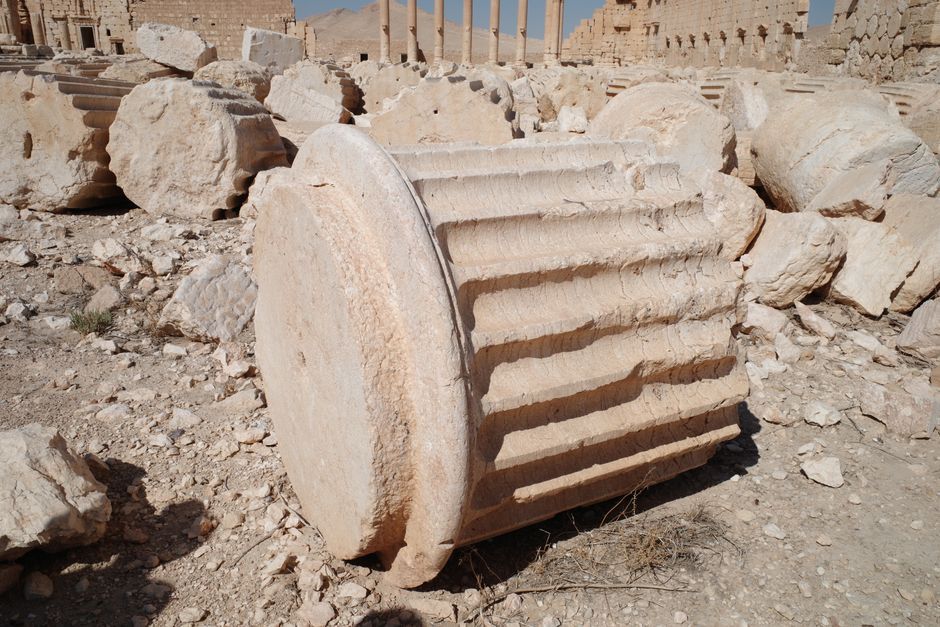
Stock photo for illustration only, not from the actual event
"The thing is that Israel is not the owner of this place. This is a Palestinian heritage site."
The path divides Area B, under Palestinian civil and Israeli security control, and Area C, under full Israeli control. Last week, Israel allocated approximately 113 million shekels, equivalent to 27.8 million pounds, to expand control over archaeological sites in the West Bank, with some projects touching areas administered by the Palestinian Authority.
The utilization of archaeological preservation as a justification for territorial expansion and land control in the West Bank remains a deeply contentious political issue. The complicated administrative divisions established under past agreements leave local communities vulnerable to strict security limitations. International recognition through Unesco status serves as a crucial diplomatic countermeasure for Palestinian authorities opposing land appropriation.
Alon Arad, head of the Israeli group Emek Shaveh, criticized authorities for bypassing consultation with Sebastia's local administration and residents. Conversely, Israeli Foreign Minister Gideon Saar characterized Unesco's action as an effort to diminish historic Jewish ties to the West Bank, asserting that international votes cannot alter history. Furthermore, Israel has begun expropriating around 80 acres of land further south at Herodium for preservation purposes, drawing criticism from the settlement-monitoring group Peace Now regarding international law violations.
Source: BBC World
Found something wrong in this article? Report an issue with this article
Comments
Leave a Comment