

Israel rejects Trump's 15-point plan for Gaza, Netanyahu says
Israeli Prime Minister Benjamin Netanyahu officially rejects Donald Trump's 15-point Gaza peace plan, stating the military will not withdraw until Hamas is fully disarmed.
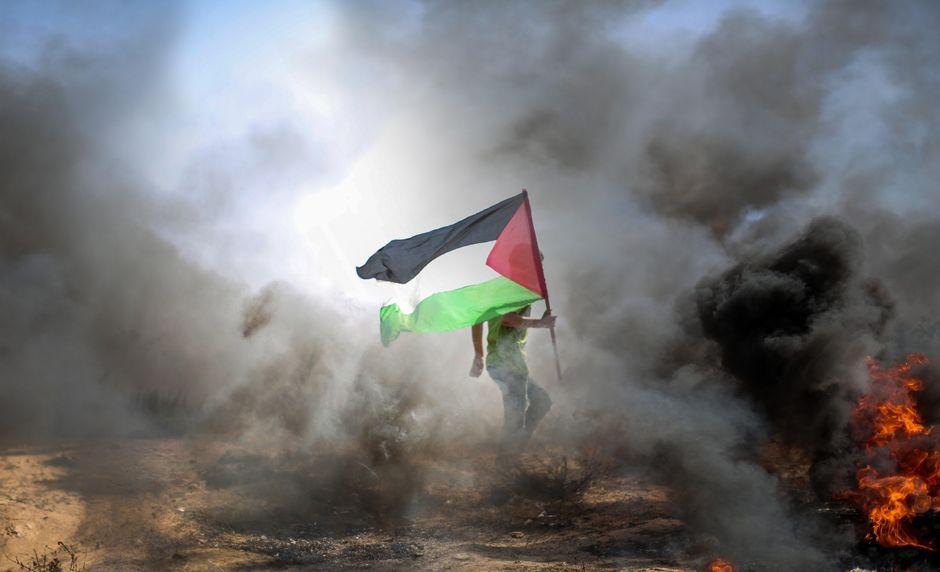
Stock photo for illustration only, not from the actual event
- Benjamin Netanyahu rejected Donald Trump's 15-point peace document during a cabinet meeting.
- Israel insists no military withdrawal will happen until Hamas is genuinely disarmed.
- The UN reports approximately 1.9 million displaced people, representing 90% of Gaza's population.
The geopolitical tension in the Middle East has escalated as Israeli Prime Minister Benjamin Netanyahu firmly drew a line during a cabinet meeting on Sunday, declaring that Israel rejects the 15-point peace document proposed by Donald Trump. The plan, originally announced in September of last year, envisioned the establishment of a Board of Peace to oversee the agreement, along with the disarmament of Hamas, the withdrawal of Israeli troops, and the reconstruction of Gaza.
Meanwhile, Hamas maintained that handing over its heavy weapons remains contingent on Israel ending all forms of aggression and pulling its forces out of the territory. Despite agreeing to an initial ceasefire in Gaza last October, the Israeli military has continued to execute airstrikes throughout the region.
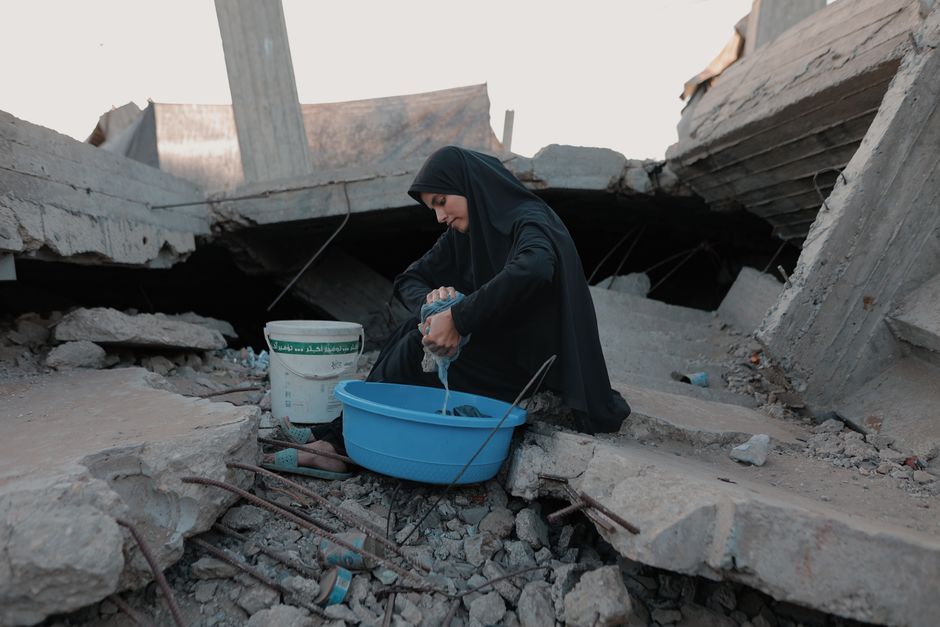
Stock photo for illustration only, not from the actual event
"Israel rejects the 15-point document, and will not carry out any withdrawal until Hamas is genuinely disarmed and will continue to thwart threats against our forces and our citizens."
Netanyahu added that he is currently in discussions with US officials regarding the path forward. Observers note that his delayed rejection reflects the precarious position of the Israeli leader, who is unwilling to alienate his closest ally while simultaneously facing immense pressure from right-wing coalition members to maintain a hardline stance. Far-right figures such as National Security Minister Itamar Ben Gvir have dismissed the draft as unacceptable and called for a new cabinet vote to kill the plan entirely.
Netanyahu's public pushback against Washington's peace blueprint, coming just months ahead of Israeli elections, highlights the domestic political calculations driving his administration. Balancing pressure from his nationalist coalition partners with relations with the United States creates a narrow path where major concessions remain politically unfeasible. Understanding this domestic pressure helps explain why international peace frameworks frequently stall when confronted with local electoral cycles.
The devastation in the region stems from the October 7, 2023, attack led by Hamas on southern Israel, which resulted in about 1,200 deaths and 251 hostages taken. Israel's subsequent military campaign has left more than 73,000 dead, according to the territory's health ministry figures recognized as reliable by the United Nations. Furthermore, the UN estimates that roughly 1.9 million people—representing 90% of Gaza's population—have been displaced since the outbreak of the war.
Source: BBC World
Found something wrong in this article? Report an issue with this article
Comments
Leave a Comment