

Netanyahu's rejection of Gaza peace plan may not be final
Israeli Prime Minister Benjamin Netanyahu has formally rejected Donald Trump's 15-point roadmap, yet underlying signals suggest diplomatic efforts and preparations on the ground continue.
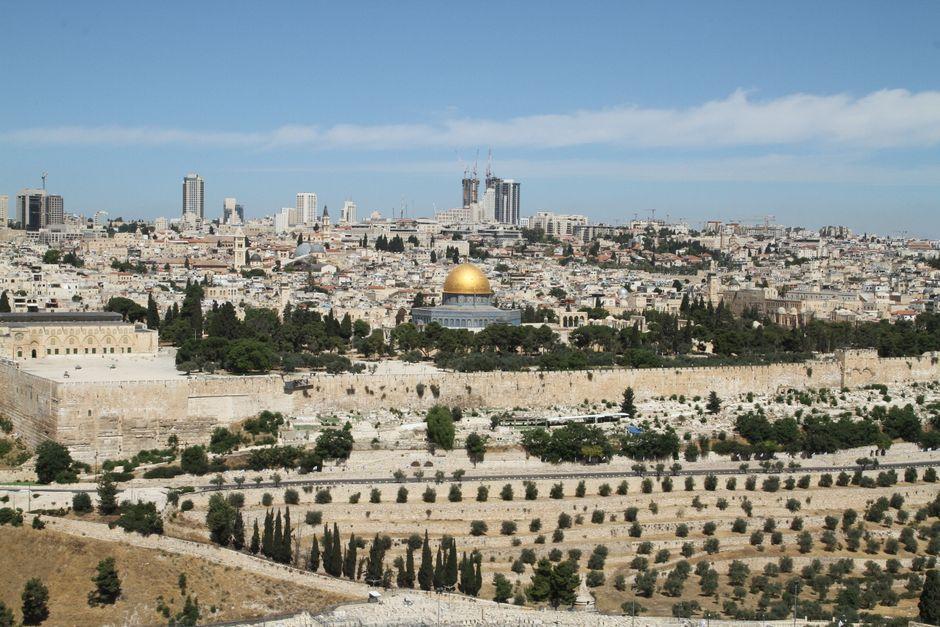
Stock photo for illustration only, not from the actual event
- Benjamin Netanyahu told his cabinet that Israel does not accept the 15-point document.
- Hamas has agreed to the framework, contingent upon mutual compliance from Israel.
- Construction of the first International Stabilization Force base in Rafah is still slated for month's end.
Although Israeli Prime Minister Benjamin Netanyahu has categorically dismissed the Board of Peace roadmap aimed at disarming Hamas in Gaza, analysts suggest this is unlikely to be the final word on the matter. Recent days have witnessed a noticeable pause in Israeli airstrikes across the strip, fulfilling a key demand made by Hamas when the militant group initially signed onto the US-backed 15-point proposal.
Another strong indicator that Israel remains poised to advance US President Donald Trump's vision is ongoing preparations for the deployment of the International Stabilization Force (ISF). Under the proposed framework, these international troops are scheduled to collaborate with a newly formed Palestinian police force to secure the territory.
According to Israeli public radio outlet Kan News, construction of the inaugural ISF base is still scheduled to commence at the end of this month amid the devastation of Rafah in southern Gaza, a step that would finally clear the path for reconstruction efforts to begin.
The 15-point peace roadmap envisions a phased decommissioning process where all weaponry is stored by a new Palestinian administration overseen by the Board of Peace, matched by an Israeli withdrawal from over 60 percent of the territory it currently controls. With heavy pressure mounting from Washington and intense backchannel negotiations led by figures like Gaza High Commissioner Nickolay Mladenov, the diplomatic tracks remain active despite public friction.
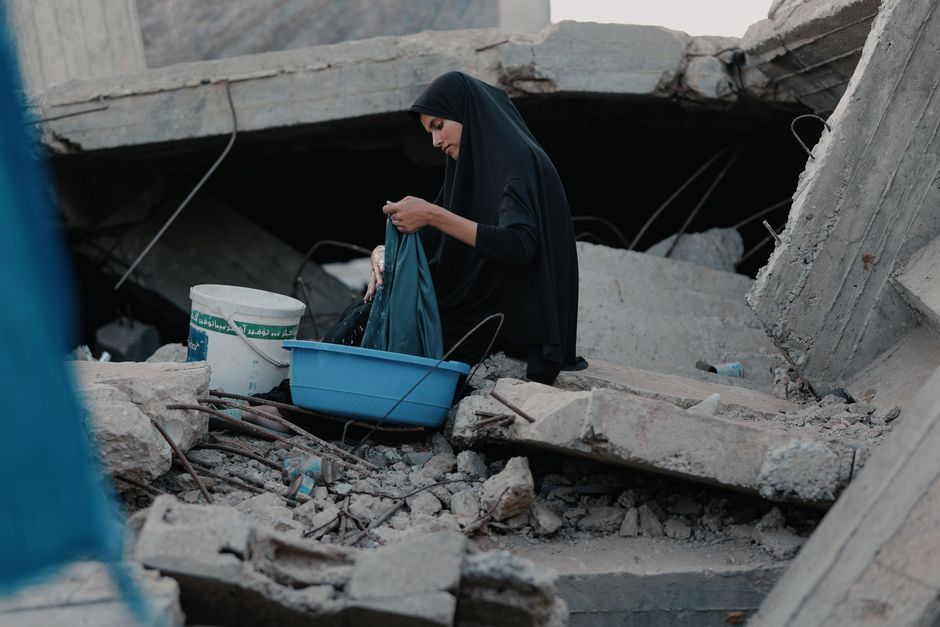
Stock photo for illustration only, not from the actual event
Writing on his Truth Social platform earlier, Trump announced that the Board of Peace had successfully brokered an agreement for the comprehensive disarmament of Hamas and other armed factions in the strip. While the UK welcomed the breakthrough and the European Union hailed it as a crucial step, domestic skepticism quickly mounted within Israel, with opposition figures questioning the sequencing and the thoroughness of small arms decommissioning.
The resistance culminated on Sunday when Netanyahu formally declared to his cabinet that Israel does not accept the 15-point document, emphasizing that the Israel Defense Forces (IDF) will not initiate any withdrawal until a genuine and complete disarmament of Hamas, covering both heavy and light weaponry, is achieved.
"Israel can certainly never agree to retreating anywhere where the terrorist group that caused the worst massacres since the Holocaust is still there and is still ruling the Strip."
Fleur Hassan-Nahoum
Fleur Hassan-Nahoum, an Israeli commentator and former deputy mayor of Jerusalem, told the BBC that the profound trauma experienced by the Israeli public during the October 7, 2023 attacks that ignited the war must never be underestimated when evaluating political decisions.
Source: BBC World
Found something wrong in this article? Report an issue with this article
Comments
Leave a Comment