

Inside the Secret Service 'shell game' to hide US presidents in plain sight
Discover the high-stakes deception tactics used by the US Secret Service, including smuggling a president via catering truck.
Stock photo for illustration only, not from the actual event
- Donald Trump was secretly transferred from Air Force One to a C-32A military jet via a catering truck.
- The Secret Service routinely uses motorcade decoys, chopper swaps, and hidden international trips.
- Former agents note that such extraordinary measures point to a severe, credible threat.
On July 8, US President Donald Trump boarded Air Force One in plain sight of television cameras while departing the NATO summit in Turkey. However, once the massive Boeing aircraft departed Ankara, the president had reportedly been secretly spirited away via a catering truck to a C-32A, a military version of the Boeing 757, which flew him directly to RAF Mildenhall in the UK. Those left on board served as unwitting decoys with no idea the president was no longer traveling with them.
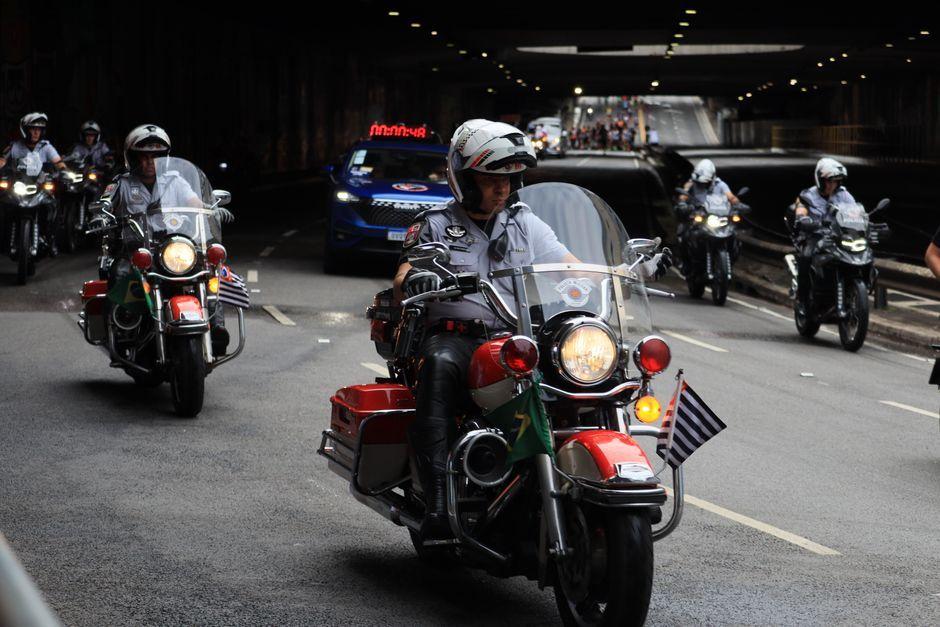
This level of tactical deception is far from unusual. Robert McDonald, a former high-ranking Secret Service agent with presidential security experience, noted that smaller-scale deceptions are deployed frequently during motorcade operations. These massive motorcades typically feature two armored limousines known as "Beasts", constantly switching positions en route to confuse potential attackers regarding the leader's exact location.
Stock photo for illustration only, not from the actual event
Similarly, Marine One helicopters routinely fly in formations of three, altering positions to mask the president's whereabouts. Even more elaborate ruses have accompanied high-risk international journeys. In March 2000, Bill Clinton flew from India to Islamabad aboard an unmarked executive jet following a decoy Air Force One. Similar covert arrivals were orchestrated for George W. Bush in Baghdad and Joe Biden in Ukraine.
"The key part of this is the nature of the threat, and what was so severe that the Secret Service would put forth such a deception operation."
Marc Polymeropoulos, former CIA veteran
The deployment of intricate shell games and decoy operations highlights the extreme operational security measures enforced around the US Commander-in-Chief. When federal agencies execute such drastic concealment methods, it implies that intelligence assets flagged an imminent and severe danger, such as anti-air threats over volatile airspace. Concurrently, it underscores the legal reality that the Secret Service carries no obligation to brief unsuspecting decoy passengers about active threats.
The exact nature of the perceived aerial threat in this recent incident remains undisclosed. While the Secret Service declined to comment and the White House emphasized its use of every available protective tool, experts reiterate that tactical flexibility remains paramount when navigating overseas security challenges.
Source: BBC World
Found something wrong in this article? Report an issue with this article
Comments
Leave a Comment