

UK EV Sales Targets 2026: Government Weighs Cut to 50%
The UK government launched a consultation until late October 2026 to potentially cut EV sales targets to 50% by 2030 following intense pressure from car makers.

Stock photo for illustration only, not from the actual event
- UK government reviews EV sales targets after intense pressure from automotive manufacturers
- Considering cutting the 2030 target from 80% down to 50%, with a consultation running until late October
- New proposals could allow higher hybrid vehicle sales and flexibility extending to 2034
- Environmental groups and EV advocates strongly criticize the potential scaling back of climate goals
The UK government has initiated a major review of its electric vehicle sales policies, which could lead to significant reductions in targets originally set for automakers. The move comes in response to heavy lobbying from car manufacturers who argue that production costs remain too high and consumer demand is failing to keep pace with current mandates.
Under the existing ZEV mandate framework, automotive brands are required to increase their proportion of zero-emission vehicle sales annually, starting at 22% in 2024 and rising to 33% in 2026 on the path toward an 80% target by 2030. However, the government has announced it is now considering lowering that final decade target to 50%, with a formal public consultation open until late October 2026.
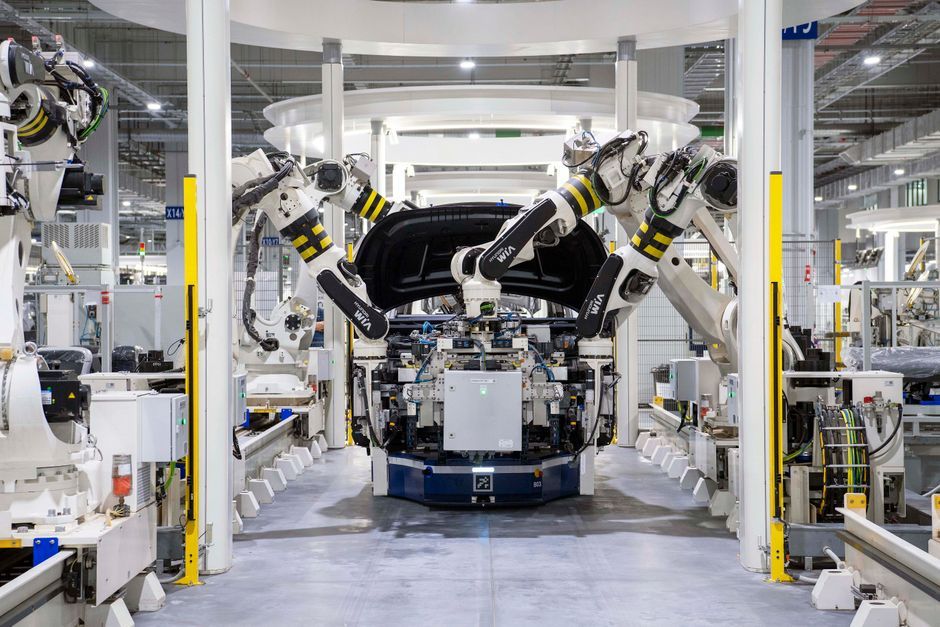
Stock photo for illustration only, not from the actual event
While the outright ban on selling pure petrol and diesel cars past 2030 remains firmly in place as promised by Labour during its election campaign, the proposed changes could grant car makers greater flexibility to sell hybrid vehicles as a larger share of their overall market portfolios.
Independent calculations by the Energy & Climate Intelligence Unit indicate that scaling back the pure electric sales target to 50% would result in approximately 2.6 million fewer electric cars operating on UK roads by 2035, threatening long-term carbon reduction milestones.
"Asking whether we should extend the availability of polluting vehicles amid our hottest summer on record."
Tanya Sinclair, Electric Vehicles UK
This policy pivot underscores the global dilemma governments face when balancing aggressive climate timelines against industrial economic realities. Automakers are grappling with substantial R&D expenses and evolving supply chain dynamics, making flexible compliance options a critical talking point for maintaining domestic manufacturing stability without entirely abandoning environmental commitments.
According to the Society of Motor Manufacturers and Traders (SMMT), electric vehicles accounted for a quarter of total UK sales during the first seven months of the year. Yet, SMMT chief Mike Hawes argued that the ZEV mandate was conceived under vastly different conditions, praising the review as a timely opportunity to align transition rules with market realities.
Source: BBC Business
Found something wrong in this article? Report an issue with this article
Comments
Leave a Comment