

Germany raids secret warehouse in crackdown on channel boat gangs
German police seize over 9,000 life jackets and dinghies in first raids under a new law targeting migrant smuggling gangs.
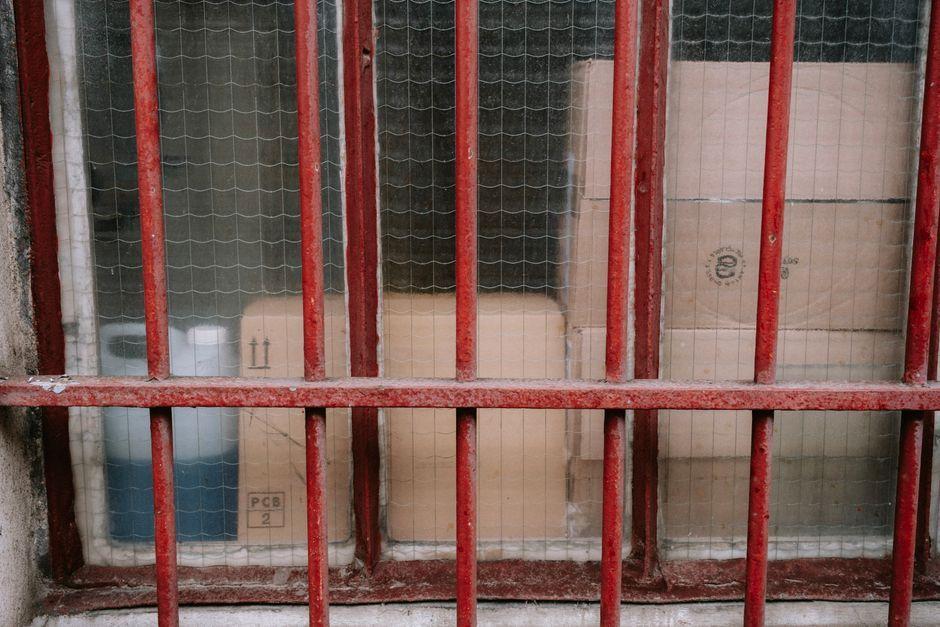
Stock photo for illustration only, not from the actual event
- Germany carries out first raids under a new law against migrant smuggling networks.
- Police seize over 9,000 life jackets, numerous dinghies, and 360 water pumps.
- The seized equipment could have transported over 2,000 migrants across the Channel.
- Kurdish criminal networks are believed to control the small boats business in western Germany.
Germany has executed its initial raids under newly enacted legislation designed to dismantle smuggling operations utilizing the country as a staging area for small boat crossings toward the English Channel. According to BBC reports, a joint operation conducted by the UK, France, and Germany across the North Rhine-Westphalia region this spring resulted in the confiscation of more than 9,000 life jackets, dozens of dinghies and engines, and 360 pumps.
The recovered watercraft and gear are currently preserved at an undisclosed location in western Germany where special access was granted to the BBC. The stash remains largely untouched in its original discovery state, with the deflated dinghies measuring approximately 9 meters or 29 feet packaged inside cardboard containers. The UK's National Crime Agency estimated that the confiscated equipment had the capacity to transport upwards of 2,000 migrants illegally across the Channel, averaging roughly 65 individuals per rubber boat.
Smuggling syndicates historically relied on domestic garages or storage facilities in western Germany to stockpile gear before dispatching shipments toward northern France. However, the Berlin administration passed a statute last December criminalizing actions that facilitate migrant transport to the UK as a distinct offense. Prior regulatory frameworks restricted key anti-smuggling statutes strictly to nations within the European Union's free movement zone, omitting third countries like the post-Brexit UK.
Stock photo for illustration only, not from the actual event
Germany's implementation of this updated legal framework highlights a strategic shift to close regulatory loopholes established following Brexit, which previously restricted authorities from directly prosecuting supply chains serving non-EU destinations. International law enforcement collaboration remains crucial in dismantling complex transnational trafficking operations spanning across European borders.
Product labels carrying Chinese lettering suggest much of the marine equipment originates in China before transiting through Turkey into Europe. British investigators further indicate that Kurdish criminal syndicates maintain tight operational control over the small boat enterprise centered in western Germany, taking advantage of its strategic proximity to launch sites along the northern French coastline without immediate border scrutiny.
Source: BBC World
Found something wrong in this article? Report an issue with this article
Comments
Leave a Comment