

Thai House Committee Urges Gov to Overhaul Local Exam Fraud
MP Asapol Sannintrapphab revealed a 9-billion-baht money trail in local civil service exam corruption and proposed dissolving G.Sath.

Stock photo for illustration only, not from the actual event
- The House Committee on Anti-Corruption proposed 6 urgent measures to tackle local civil service exam fraud.
- Investigators uncovered flaws across all 32 examination stages with a money trail exceeding 9 billion baht.
- Lawmakers called for the dissolution of the Central Local Examination Committee (G.Sath.) due to severe malpractice.
- Authorities are expanding investigations to link networks dating back to 2024 and 2021 executive promotion exams.
On August 20 at the Thai parliament, MP Asapol Sannintrapphab of the Bhumjaithai Party, serving as chairman of the House Committee on Corruption Prevention and Suppression, announced the findings regarding ongoing investigations into corruption in local government civil service examinations. Representatives from the National Anti-Corruption Commission (NACC), Public Sector Anti-Corruption Commission (PACC), and the Department of Local Administration (DLA) attended to present updates.
The investigative panel examined procedures across three distinct periods comprising a total of 32 steps. Due to severe systemic vulnerabilities and misconduct, the committee submitted six formal proposals to the Prime Minister for immediate implementation:
- Demand the Ministry of Interior and DLA take strict legal actions regarding criminal, civil, and disciplinary offenses, revise the candidate passing list, and seek damages from Srinakharinwirot University.
- Consider dissolving the Central Local Examination Committee (G.Sath.) due to catastrophic failures and loss of credibility during the 2025 examinations.
- Establish a centralized blacklist database via the Office of the Civil Service Commission (OCSC) to permanently bar convicted wrongdoers from entering government service or state enterprises.
- Instruct anti-corruption and anti-money laundering agencies to expand financial investigations into bulk application fraud networks involving transactions ranging from 100,000 to 1 million baht.
- Require the Comptroller General's Department to establish standard Terms of Reference (TOR) for all future public sector recruitment exams.
- Collaborate with relevant legal bodies to draft specific legislation establishing clear criminal thresholds and penalties for exam corruption.
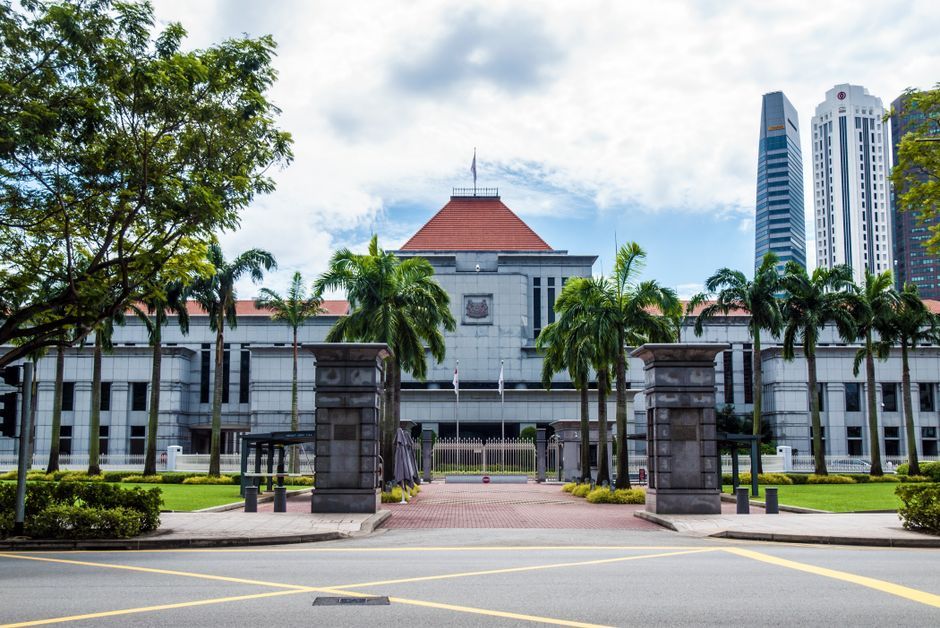
Stock photo for illustration only, not from the actual event
Mr. Asapol detailed that fraudulent operations involved gathering applicant names in batches of approximately 100 groups, each containing 100 to 200 candidates, with third parties paying application fees on their behalf. The Anti-Money Laundering Office (AMLO) tracked financial flows between 100,000 and 1 million baht linked to these application networks. Furthermore, investigations connected the current case to 2024 irregularities administered by Burapha University, as well as the arrest of a former mayor in Nakhon Ratchasima linked to bribery allegations.
Local government recruitment corruption in Thailand highlights deep-seated institutional vulnerabilities that undermine public trust. The discovery of a multi-billion-baht financial network demonstrates sophisticated syndicates operating across multiple jurisdictions. The committee's push for permanent blacklisting and standardized procurement TORs represents a critical structural step toward closing legal loopholes and restoring accountability within Thai public administration.
"During the competitive examination, applicant names were gathered in batches of around 100 groups, with 100 to 200 people per group... AMLO found money trails ranging from 100,000 baht to 1 million baht."
Asapol Sannintrapphab
Currently, the PACC is collaborating with AMLO and the Royal Thai Police to trace financial networks under the Prime Minister's expedited directive, having already interrogated over 500 individuals and uncovered suspicious transactions totaling more than 9 billion baht involving advance fee collections and placement bribes. The NACC expects its review of G.Sath. to conclude by September, while also upgrading investigations into the 2024 local executive promotion exams to special case status. When questioned regarding political involvement, NACC representatives noted that investigations have currently reached level 10.
Source: Matichon Politics
Found something wrong in this article? Report an issue with this article
Comments
Leave a Comment