

Sawang outlines 3 rules for Senate collusion court cases
Sawang Boonmee details 3 criteria for the Election Commission to refer Senate collusion cases to the Supreme Court, as iLaw releases 229 names.

Stock photo for illustration only, not from the actual event
- Sawang Boonmee outlines 3 conditions under Article 226 for referring Senate election cases to the Supreme Court.
- iLaw publishes 229 names of accused individuals, including 138 senators and 21 Bhumjaithai Party figures.
- Former senate candidate Hathairat Paholtap reveals she was offered a six-digit sum during her campaign.
- Claims emerged regarding a list of 19 senators proposed to party leaders with a 3 million baht compensation offer.
Sawang Boonmee, Secretary-General of the Election Commission (EC), has outlined the legal criteria regarding the investigation into the senatorial election. He detailed the key components under Section 226 of the Constitution, which applies when the EC submits a petition to the Supreme Court to revoke election rights after the official announcement of Senate election results.
According to Sawang, the first condition requires that a candidate must have engaged in electoral fraud or had knowledge of others' fraudulent acts. If a candidate was neither involved nor aware, the case's applicability under Section 226 must be evaluated based on collected facts and evidence. The second condition dictates that the act must constitute fraud, such as paying individuals to run for office, paying voters, collusion, vote-swapping, or offering other benefits. The final condition requires sufficient evidence indicating that the election was not honest and fair. If all three criteria are met, the EC is legally mandated to refer the case to the Supreme Court.
The interpretation of Section 226 is a critical milestone in assessing the integrity of the current Senate selection process. Given the complexity of the multi-stage voting mechanism, establishing clear intent and collusion requires rigorous documentation and witness testimonies to provide the EC with solid grounds for legal action in the Supreme Court.
Meanwhile, the internet law reform NGO iLaw published a list containing 229 names of individuals accused in the Senate election rigging case. The breakdown of the published names includes:
- 138 incumbent senators, including their full names, application groups, and provinces.
- 50 substitute senators and applicants, detailing their groups, provinces, and advanced selection tiers.
- 21 cabinet ministers, Members of Parliament (MPs), and executive board members of the Bhumjaithai Party.
- 20 additional individuals identified by iLaw as part of the Bhumjaithai Party network.
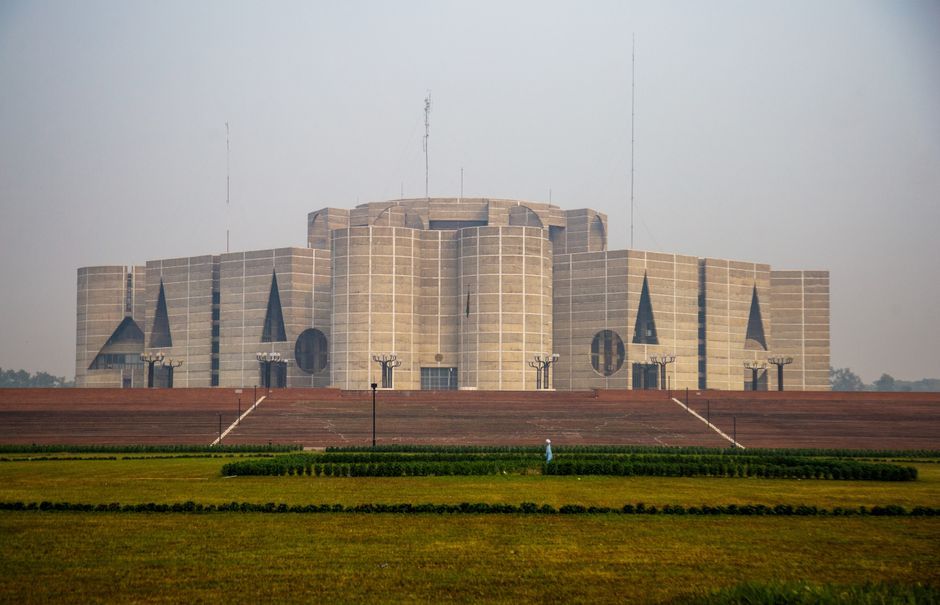
Stock photo for illustration only, not from the actual event
In addition, iLaw, led by director Yingcheep Atchanont, hosted a public seminar at Maruay Garden Hotel titled "Breaking the Wall: Exploring the Senate Universe." The event aimed to shed light on the senatorial selection mechanism, alleged corruption networks, and connections between various factions. Former Senate candidates Peeraporn Ditthayon from the environmental group and Hathairat Paholtap from the media group spoke at the event.
During the seminar, Hathairat revealed that between June 24 and 26, 2024, a Senate candidate called her approximately 10 times to inform her about a meeting at a hotel in the Ngamwongwan area. Although she informed them that she owned an apartment in Bangkok and did not need accommodation, she was told travel expenses would be covered. During their final phone call, she was invited to join a specific group under the pretext that it lacked media representation, and was offered a "six-digit" financial sum.
"On July 23, 2024, the day before the election of the Senate President and Vice President, a list of 19 senators was printed to be submitted to a political party's influential figure, mentioning a push for the Senate presidency and a compensation of 3 million baht per person."
Hathairat Paholtap
Source: Matichon Politics
Found something wrong in this article? Report an issue with this article
Comments
Leave a Comment