

Thai Sang Thai Party Hosts The Builder Forum 2025
Thai Sang Thai Party held The Builder Forum on Aug 29, 2025, proposing New Public Governance to reform bureaucracy and combat corruption.
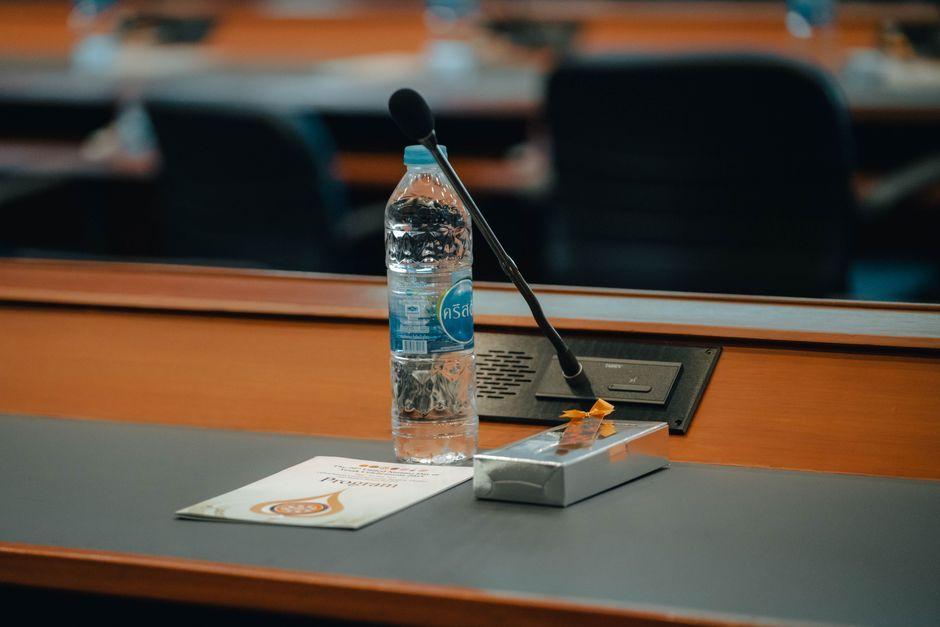
Stock photo for illustration only, not from the actual event
- Thai Sang Thai Party hosted The Builder Forum at the Future Thailand Institute in Bangkok
- Introduced the New Public Governance framework to reform state administration and reduce economic burdens
- Gathered experts to leverage technology and public participation to tackle systemic corruption
On August 29, the Thai Sang Thai Party hosted a major forum titled The Builder Forum: New Public Governance, Thailand's Way Out at the Future Thailand Institute in Don Mueang, Bangkok. The event aimed to gather perspectives from the private sector, civil society, and politics to elevate the efficiency and transparency of public administration while lowering economic costs and focusing on citizens.
The seminar featured notable guest speakers, including Dr. Poj Aramwattananon, Chairman of the Zero Corruption Working Group and Chairman of the Thai Chamber of Commerce; Dr. Mana Nimitmongkol, President of the Anti-Corruption Organization of Thailand (ACT); and Khunying Sudarat Keyuraphan, Chairwoman of the Thai Phueng Thai Foundation.
Mr. Udomdej Rattanasathian, Leader of the Thai Sang Thai Party, delivered the opening remarks by questioning the current national administrative structure, highlighting that the Thai bureaucracy still incurs high costs, numerous procedures, and excessive administrative discretion. The party consequently introduced the New Public Governance concept as a vital framework to transform state administration.

Stock photo for illustration only, not from the actual event
The seminar discussions were categorized into three core areas:
- Reducing Costs and Unlocking Regulations: Addressing Red Tape and bureaucratic procedures that create hidden costs, especially in licensing processes, while promoting Network Governance for collaboration between the state, private sector, and citizens.
- Using Technology to Prevent Corruption: Shifting from post-incident crackdowns to proactive prevention by utilizing tools like ACT AI, Integrity Pacts, and Open Data to make state budgets transparent from the start.
- Transforming Citizens' Roles: Decentralizing power and allowing citizens to transition from mere service recipients to co-regulators who can safely and effectively oversee government budgets and local projects.
The concept of New Public Governance represents a fundamental shift in public administration away from centralized authority toward shared responsibility and inclusive participation. This aligns with modern governance trends emphasizing transparency and digital tools to enhance oversight and narrow the power gap between the state and the public.
During the concluding session, the three speakers highlighted the most critical flaws within the Thai bureaucratic system, emphasizing that structural reforms in state power distribution are essential for achieving genuine transparency.
"Corruption must be tackled at its root cause by reducing bureaucratic discretion, cutting approval powers of officials, and supporting proactive anti-corruption measures."
Dr. Poj Aramwattananon
Dr. Mana stated that corruption is a long-standing structural issue requiring multi-sectoral cooperation, while Khunying Sudarat stressed the importance of establishing an honest regime, starting with empowering civil society through constitutional amendments, creating a public-driven anti-corruption commission, and temporarily suspending laws hindering people's livelihoods.
Source: Matichon Politics
Found something wrong in this article? Report an issue with this article
Comments
Leave a Comment