

Iceland EU referendum 2026: Tight vote count continues
Iceland's EU membership talks referendum is too close to call as public broadcaster RUV reports a razor-thin margin between Yes and No votes.
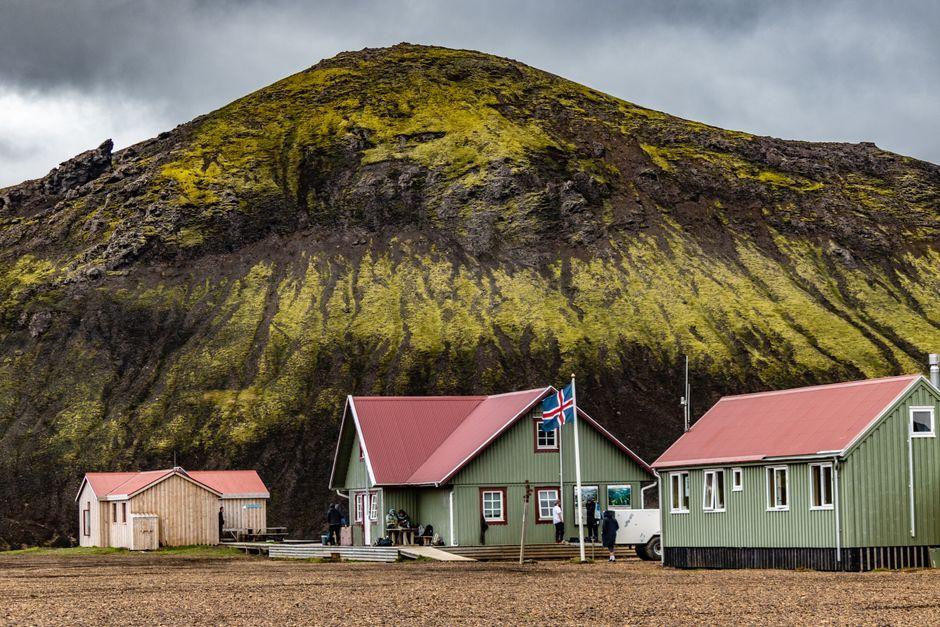
Stock photo for illustration only, not from the actual event
- Iceland referendum on EU talks remains extremely close
- No vote leads narrowly with 50.1% out of over 153,000 counted ballots
- Fishing industry rights remain the primary obstacle
- Prime Minister Kristrún Frostadóttir's government brought the vote forward
Iceland's closely fought referendum on whether to resume membership talks with the European Union is going down to the wire, with election officials unable to declare a definitive winner as counting continues across the island nation.
Based on the first 153,197 votes counted out of 270,000 eligible voters, public broadcaster RUV reported that 50.1% of participants rejected the government's proposal, while 49.9% voted in favor, separated by a mere 435 votes among a population of nearly 400,000.
Prime Minister Kristrún Frostadóttir's centre-left government originally promised to hold a referendum by 2027 but advanced the timeline due to mounting international tensions, including US President Donald Trump's remarks regarding Greenland. Despite geopolitical security concerns, public debate heavily centered on the nation's vital fishing sector.
While Iceland already participates in the EU's single market and the Schengen area, full EU membership would entail joining the customs union and adopting the euro. Iceland initially applied for EU membership in 2009 following the 2008 financial crash and domestic banking collapse, though a eurosceptic government suspended talks in 2013 primarily over fishing rights disputes.
"The referendum campaign has fuelled debate about Iceland's place in the world."
Kristrún Frostadóttir, Prime Minister of Iceland
The exact ballot question asked voters whether Iceland should resume accession negotiations with the European Union. A Yes vote represents a step toward a formal accession agreement requiring a subsequent second referendum, whereas a No vote does not permanently bar future discussions.
Marine industries account for nearly 40% of Iceland's export revenues, explaining why voters fiercely protect their lucrative fishing grounds from European common fisheries policies. Coupled with regional security dynamics in the Arctic region, this referendum marks a pivotal turning point for Iceland's foreign and economic policy.
As election authorities continue tabulating the remaining ballots, the outcome of this historic referendum remains suspended on a knife-edge.

Stock photo for illustration only, not from the actual event
Source: BBC World
Found something wrong in this article? Report an issue with this article
Comments
Leave a Comment