

Afghanistan Refugee Crisis: World's Largest Cross-Border Exodus
Millions of Afghans are deported by Pakistan and Iran amid 41C heat, while the UN reports returnees have surpassed one million this year.
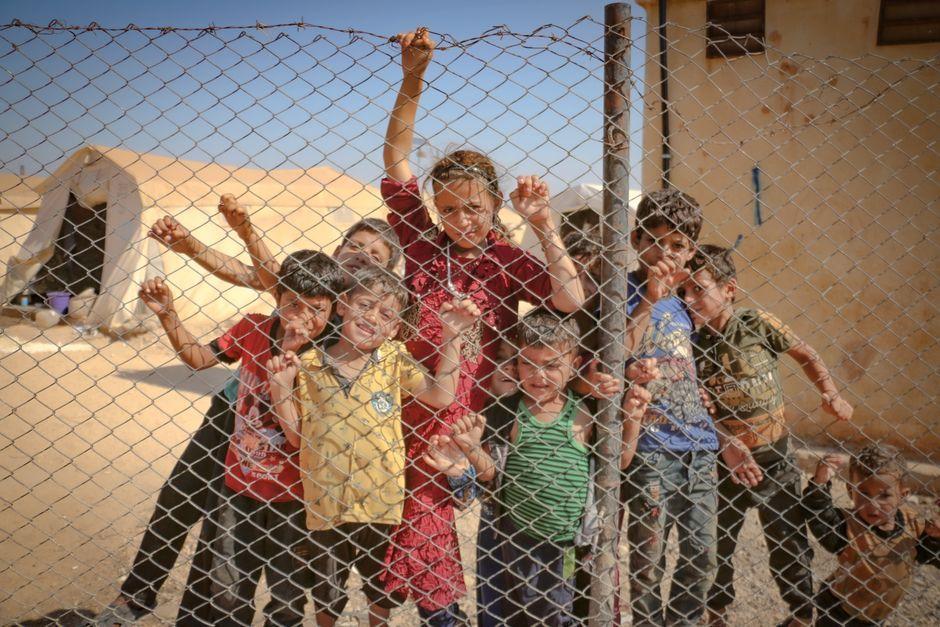
Stock photo for illustration only, not from the actual event
- Millions of Afghans face deportation from Pakistan and Iran this year.
- The Torkham crossing, or Zero Point, serves as the main transit hub.
- Many returnees, like 35-year-old Nazia, were born abroad and never set foot in Afghanistan.
- The UN and human rights groups warn sweeps target registered individuals too.
Elderly individuals wince while hobbling on crutches, and wide-eyed children stare blankly, cradling chickens brought along from homes they were forced to abandon. This heartbreaking scene unfolds daily at the Torkham border crossing, universally known as Zero Point, where one arduous chapter of life closes and another begins in profound uncertainty.
Nazia, a 35-year-old returnee, expressed mixed feelings just moments after crossing from Pakistan—the country of her birth—into Afghanistan. Nearly her entire extended family, including eight sisters and their children, were deported back to Afghanistan this year from either Pakistan or Iran, forming a fraction of what is recorded as the largest cross-border mass movement of people globally.
For decades, millions of Afghans have fled across borders into Pakistan and Iran seeking refuge or employment. The exodus has steadily escalated since the Taliban assumed control of the nation in August 2021.
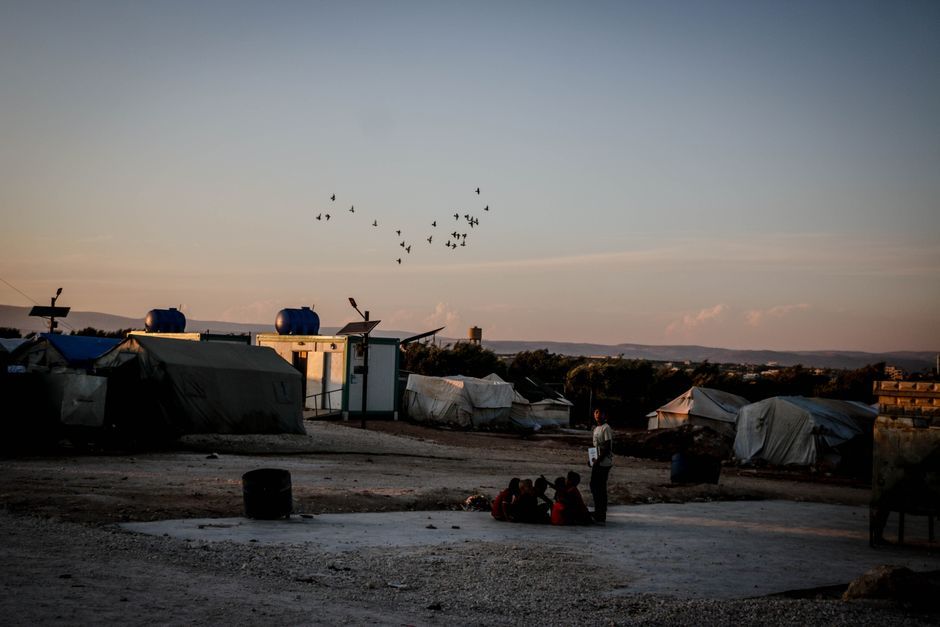
Stock photo for illustration only, not from the actual event
Both neighboring nations are now cracking down aggressively on undocumented migrants. Although Nazia's family lacked documentation, the United Nations and human rights organizations emphasize that the security sweeps have expanded far beyond undocumented populations to ensnare registered Afghans as well, with Pakistan confirming that even Proof of Registration cardholders are no longer exempt.
"It feels good to be in my own country"
According to the UNHCR, the UN's Refugee Agency, the count of individuals forced back across the border from Pakistan and Iran has already hit one million this year. They arrive in a desolate landscape strewn with tattered tarpaulin and plastic shelters hastily erected by humanitarian agencies to offer temporary respite.
This sweeping deportation wave highlights complex geopolitical pressures and security anxieties across South and Central Asia. As neighboring governments grapple with domestic challenges, mass expulsions are frequently utilized as a blunt instrument of state policy. Analysts note that forcing millions back into an isolated Afghanistan—suffering under severe economic sanctions and restrictive governance—exacerbates an already catastrophic humanitarian emergency, placing unprecedented strain on international aid agencies.
Sarwar, who arrived alongside seven brothers in a convoy carrying their worldly possessions aboard a heavy Pakistani lorry, noted that he left 45 years ago during the Soviet invasion. He admitted feeling utterly heartbroken upon being compelled to leave the country where most of his siblings were born.
Stock photo for illustration only, not from the actual event
Source: BBC World
Found something wrong in this article? Report an issue with this article
Comments
Leave a Comment