

Aalto Works, Rock-Cut Mosques and Modernist Cities Join UNESCO’s 2026 World Heritage List
The World Heritage Committee adds twenty-five new sites during its 48th session in Busan, spanning modernist designs, Jingdezhen porcelain heritage, and historic fortresses.
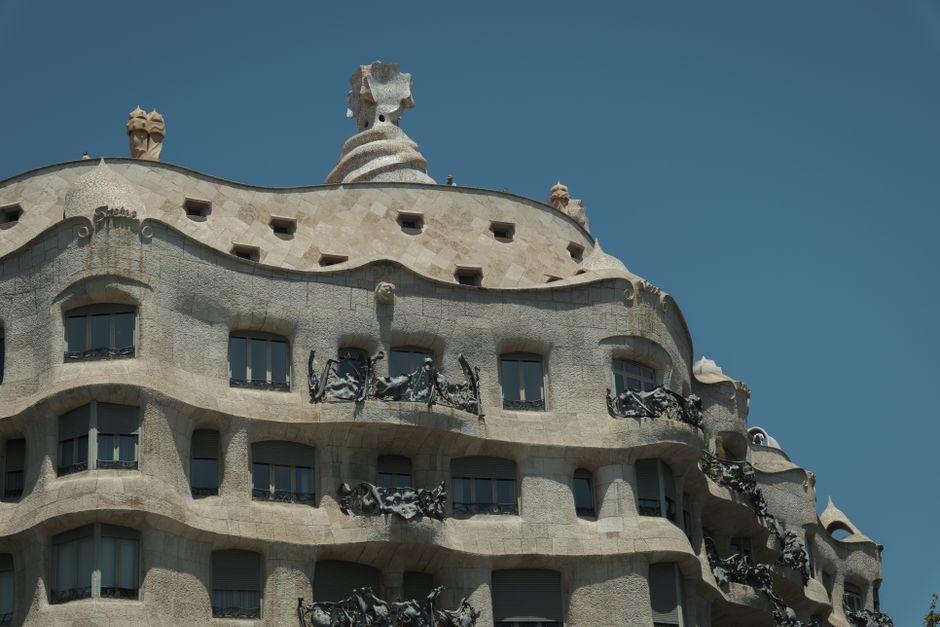
Stock photo for illustration only, not from the actual event
- UNESCO added twenty-five new sites to the World Heritage list for 2026.
- The 48th session took place in Busan from July 19 to July 29, 2026.
- The selection includes thirteen buildings by Alvar Aalto and key global architectural landmarks.
UNESCO's newest World Heritage inscriptions stretch across very different ideas of what architecture can preserve. One nomination gathers thirteen buildings by Alvar Aalto and his collaborators across Finland. Another follows porcelain from clay extraction to kiln innovation in Jingdezhen, while entire city centers, theater networks, fortified ridges, and colonial plantation settlements enter the list as connected systems.
The World Heritage Committee added twenty-five sites during its 48th session, held in Busan from July 19th to July 29th, 2026. Nineteen are cultural sites, five are natural, and the wider area of Mount Olympus serves as the sole mixed property. For an architecture and design audience, these twelve selections offer the richest stories in buildings, urban planning, craft, and landscape, widening the frame around heritage.
Aalto Works brings together thirteen buildings and ensembles completed across Finland between 1928 and 1988. The inscription names Alvar Aalto alongside Aino Marsio-Aalto, Elissa Aalto, the Aalto studio, and its design partners, widening the familiar story of a singular modern master into one of sustained collaboration across urban and rural settings.
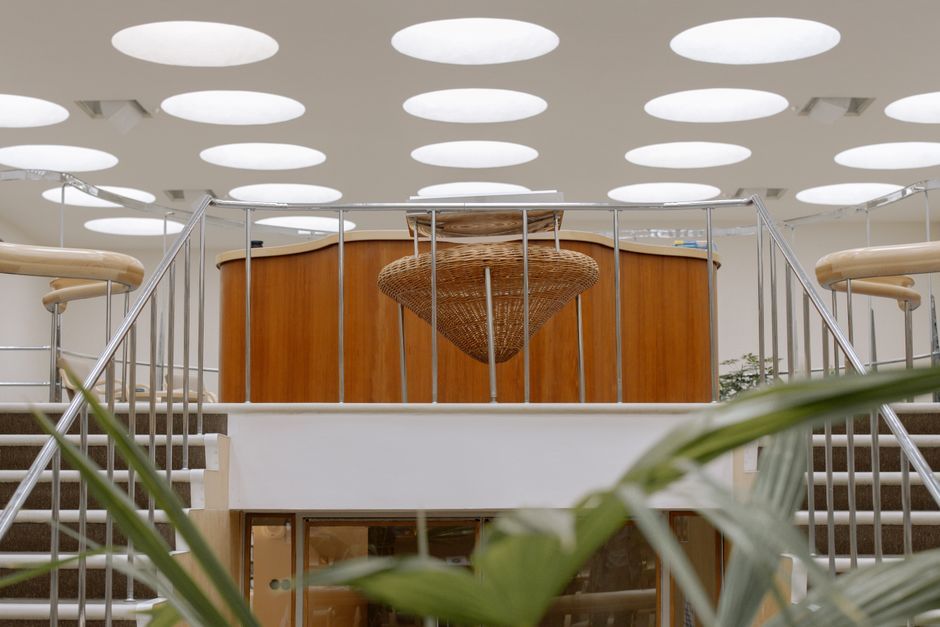
Stock photo for illustration only, not from the actual event
The 2026 UNESCO inscriptions highlight a fascinating shift toward recognizing interconnected systems and collective socio-cultural context rather than isolated architectural monuments. From regional material adaptation in seismic Soviet-era Tashkent to community-financed Italian theaters, these designations redefine heritage on a macro-urban and infrastructural scale.
Tashkent's new listing gathers ten buildings and urban complexes built between the 1960s and early 1990s, during the city's reconstruction after the 1966 earthquake. Nine stand along the planned axes of the rebuilt center, where museums and housing joined cultural institutions and infrastructure within a new socialist metropolis.
Jingdezhen enters the list through five component sites that trace porcelain production from the 10th to the 19th centuries. Clay extraction and transport sit within the same heritage system as kiln innovation and the spatial organization of workshops, turning a familiar design object into a story about territory and labor.
Source: designboom
Found something wrong in this article? Report an issue with this article
Comments
Leave a Comment