

No, Bananas Don't Destroy the Nutrients in Smoothies
Debunking the social media myth about bananas destroying antioxidants in smoothies by looking at what the 2023 study actually tested.
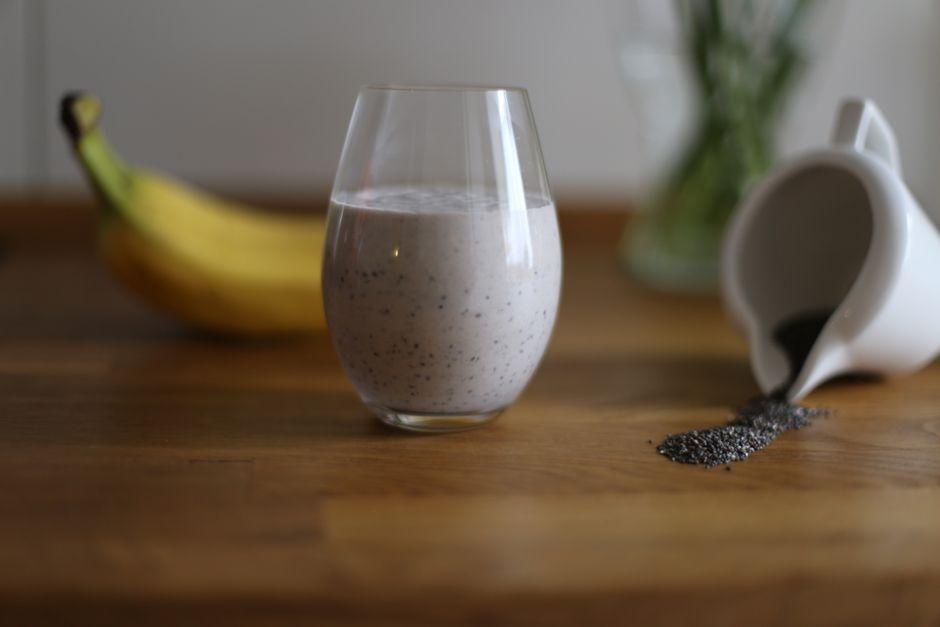
Stock photo for illustration only, not from the actual event
- The myth that bananas destroy antioxidants originated from a 2023 research study.
- The study specifically examined PPO enzymes in bananas reacting with epicatechins in cocoa extract.
- Bananas do not destroy other essential nutrients like fiber, vitamin B6, vitamin C, or magnesium.
- To get enough flavon-3-ols, drinking green or black tea is far more effective than worrying about smoothie ingredients.
Adding a banana to your morning smoothie brings natural sweetness and creates an incredible texture. However, health figure Rhonda Patrick recently told her followers that she avoids putting bananas in her smoothies out of fear that they break down polyphenols from blueberries. This belief circulated widely on social media over the past few years, blowing a tiny grain of truth completely out of proportion. Let us break down where this myth comes from and what you actually need to know about it.
The idea that bananas must be kept out of smoothies began in 2023 when a study published in the journal Food & Function discovered that bananas can reduce the bioavailability of flavon-3-ols in smoothies. The research was not focused on the general nutritional value of bananas or smoothies as a whole. Instead, scientists were investigating a specific biochemical question: Does an enzyme found in bananas react with one particular type of antioxidant present in cocoa extract? (Note that Rhonda Patrick's videos focus on blueberry polyphenols, which were never tested in this study.)
During the study, eight healthy male volunteers recruited from the UC Davis campus were given specific items on different days, including a smoothie made with bananas, almond milk, and an epicatechin-containing cocoa extract; a berry smoothie with the same cocoa extract; and milk with a cocoa extract capsule. Researchers wanted to see if the polyphenol oxidase (PPO) enzyme inside bananas could affect levels of (-)-epicatechin, a specific flavon-3-ol.
Somewhat surprisingly, it did affect the levels. Blood samples showed that while drinking the berry smoothie or taking the capsule elevated these chemicals in the blood, drinking the banana smoothie did not. This strongly indicated that the PPO enzyme in the banana destroyed a large portion of the epicatechins from the cocoa extract both in the glass and inside the stomach. However, the study did not test a berry smoothie combined with a banana, nor did it look at antioxidant levels from berries; it focused strictly on cocoa extract epicatechins.
Understanding scientific context is crucial when evaluating health news. Polyphenol oxidase (PPO) is a naturally occurring enzyme in many fruits that reacts when cellular structures are disrupted by blending or cutting. Applying the results of a specific cocoa extract experiment to all fruit combinations creates unnecessary alarm and overlooks the broader nutritional profile of whole foods.
If a banana enzyme reduces the bioavailability of one specific antioxidant family, does it really matter for your daily diet? You are likely drinking a smoothie to get fruit into your routine and enjoy a satisfying breakfast, not specifically to target flavon-3-ols. Bananas provide essential fiber, carbohydrates, 20% of your daily vitamin B6, 17% of vitamin C, and 8% of magnesium. They also supply necessary sweetness and carbs that your body utilizes effectively.
If your goal is specifically to consume enough flavon-3-ols based on guidelines from the Academy of Nutrition and Dietetics (AND)—which recommends at least 400 milligrams daily—the best source is tea. Just 10 ounces of green tea or 12 ounces of black tea meets this recommendation, whereas it would take 40 cups of blueberries to match those two cups of green tea. Furthermore, the AND advises against getting these nutrients from green tea extract supplements, which can cause stomach upset and liver toxicity in large doses.
Source: Lifehacker
Found something wrong in this article? Report an issue with this article
Comments
Leave a Comment