

Nestle Invests 6.4B Baht in Thai Pet Food Production
BOI approves Nestle Thailand's 6.4 billion baht investment to expand pet food and treat manufacturing in Rayong, utilizing over 450 million baht in local materials annually.
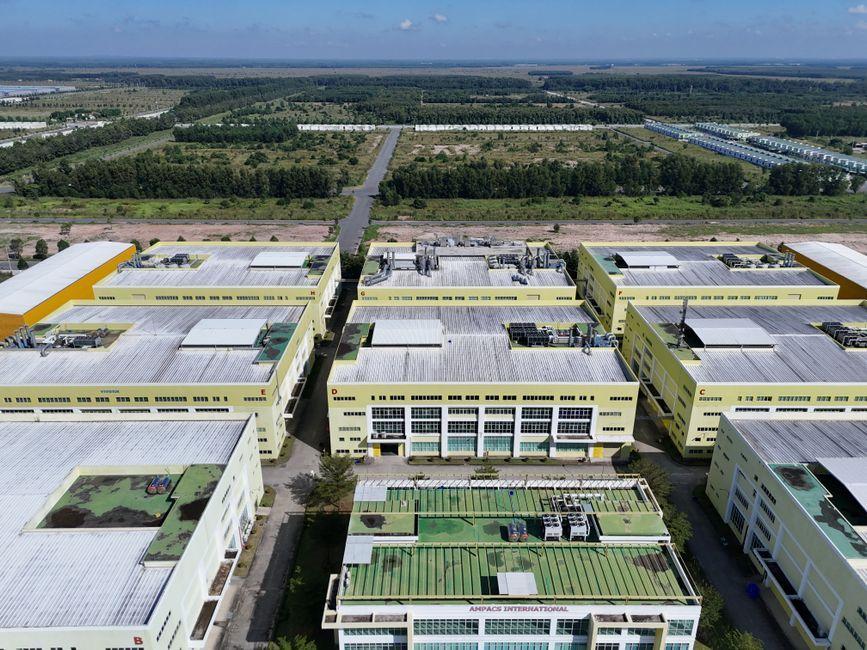
Stock photo for illustration only, not from the actual event
- BOI approved Nestle Thailand's investment exceeding 6.4 billion baht
- Expansion focuses on pet food and treats manufacturing at Amata City Rayong
- Over 90% of production is targeted for export to global markets
- Local raw material sourcing will exceed 450 million baht per year
The Thailand Board of Investment has officially approved a major investment project by Nestle (Thai) Ltd., valued at over 6.4 billion baht, aimed at expanding pet food and pet treat manufacturing facilities at Amata City Industrial Estate in Rayong province. The project is strategically designed to target international markets, with more than 90 percent of the total output destined for overseas shipment.
This substantial investment is divided into two main projects: a pet food production facility valued at approximately 4,500 million baht and a pet treat production facility valued at about 1,930 million baht. Both initiatives have secured international food safety standards certifications and place a strong emphasis on utilizing high-quality raw materials sourced directly from within Thailand for export operations.
Narit Therdsteerasukdi, Secretary General of the Board of Investment, stated that this new investment is intended to accommodate the surging global demand for pet care products, driven by the rising trend of treating pets as family members. Thailand currently stands as the world's second-largest pet food exporter, trailing only Germany, while the domestic pet food industry continues to expand by over 8 percent annually.
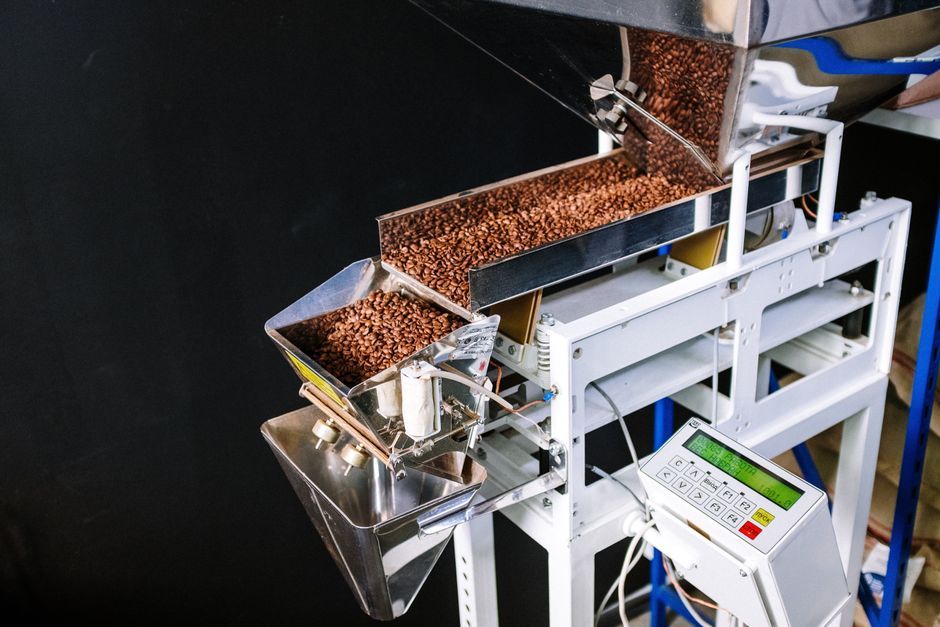
Stock photo for illustration only, not from the actual event
Primary export destinations for these new facilities include the United States, Canada, Japan, Australia, and New Zealand. Specifically, the pet food project—featuring brands such as Felix, Pro Plan, and Friskies—will utilize approximately 56 percent local raw materials, including chicken meat, sardines, vegetables, oils, vitamins, and minerals.
Meanwhile, the cat treat project under the Purina One and Felix brands will incorporate up to 88 percent locally sourced ingredients, predominantly chicken meat, sugar, and cassava starch. This integration not only boosts production capacity but also adds significant value to Thailand's agricultural outputs on the international stage.
"This investment aims to support the growing global demand for pet food driven by the trend of caring for pets as family members."
Narit Therdsteerasukdi
Nestle's decision to anchor its expansion in Thailand highlights deep confidence in the country's robust agricultural supply chain and stringent production standards. Such multi-billion-baht commitments not only inject vital liquidity into the local economy but also elevate Thai agricultural and manufacturing standards, ensuring long-term competitiveness in the premium global marketplace.
Combined with a previously approved coffee plant investment valued at over 23 billion baht, Nestle's total new investment plans in Thailand for 2026 reach over 29 billion baht across both coffee and pet food sectors. This massive integration will absorb Thai agricultural produce worth over 4.7 billion baht annually, linking local farmers directly into global value chains.
Source: Techsauce
Found something wrong in this article? Report an issue with this article
Comments
Leave a Comment