

Toxic wildfire haze spreads across South East Asia as 'super' El Niño intensifies
Fires in Indonesia cross borders into Malaysia, Singapore, and the Philippines, as the Health Ministry records over 50,000 respiratory infection cases.
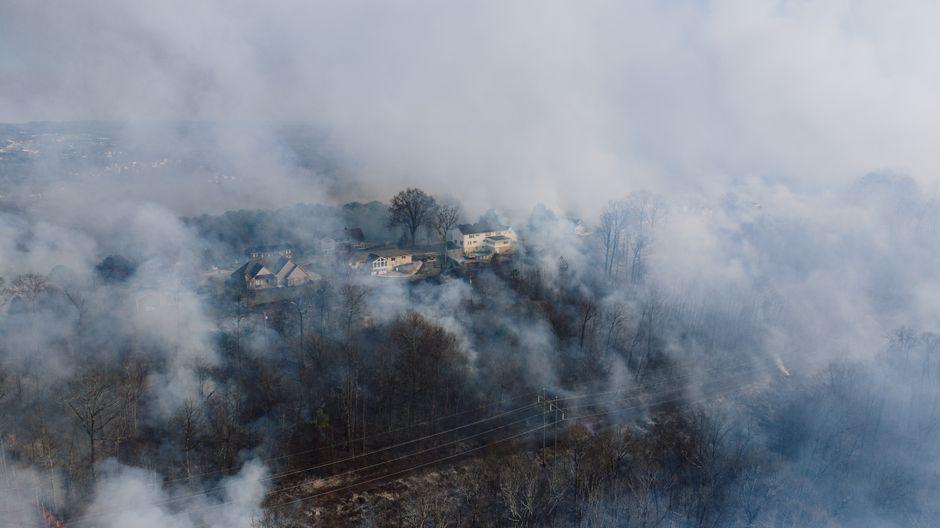
Stock photo for illustration only, not from the actual event
- Toxic haze from Indonesian wildfires affects Malaysia, Singapore, and the Philippines.
- The Health Ministry recorded over 50,000 respiratory cases between July and August.
- Super El Niño conditions intensify regional drought and worsen wildfire severity.
- Burning tropical peatlands risk releasing massive amounts of stored carbon.
A thick blanket of toxic haze is enveloping parts of Indonesia and spreading across borders into Malaysia, Singapore, and the Philippines, driven by weeks of ongoing wildfires. Many of these active blazes have been consuming land across Sumatra and Indonesian Borneo since mid-July, underpinned by a severe Super El Niño phenomenon that is exacerbating drought conditions throughout the region.
The health impacts on local populations are becoming increasingly severe. Between the months of July and August, Indonesia's Health Ministry documented more than 50,000 cases of respiratory infections directly linked to land and forest fires, with over 12,000 of those affected being children under the age of five, highlighting the acute vulnerability of young children to the toxic air.
Misbah, a 23-year-old mother residing in the nearby Pengayuan village, shared that her three-year-old daughter developed a persistent cough, a sore throat, and a runny nose as the haze descended upon them. Meanwhile, residents in the Philippine island province of Palawan, located some 1,300 kilometres away, reported suffering from similar symptoms including itchy eyes, nose, and throat. Across the border in Malaysia, worsening nationwide air quality driven by the drifting smoke has triggered a rising number of asthma and conjunctivitis cases.
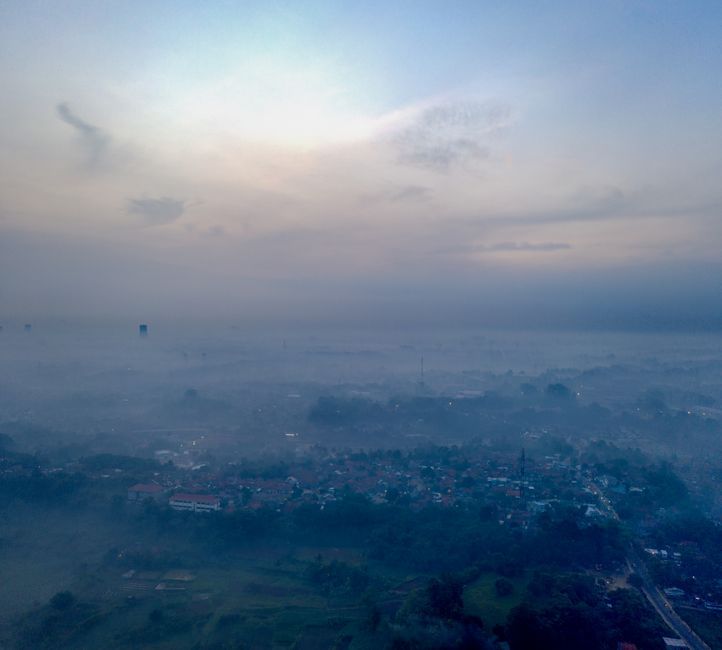
Stock photo for illustration only, not from the actual event
"Peatlands are incredibly effective carbon stores because their waterlogged conditions slow decomposition, allowing carbon to accumulate underground for thousands of years."
Dr Nisa Novita, peatland researcher at Indonesian conservation NGO Yayasan Konservasi Alam Nusantara
The persistent forest and peatland fires in Indonesia are not a recent occurrence. Experts point out that the crisis is deeply rooted in decades of land-use changes originating from the Suharto era, when vast stretches of rainforest and peatland in Kalimantan were opened up for logging operations, commercial plantations, and large-scale development projects. Today, major fires remain closely tied to the expansion of industrial estates and commercial land clearing, with environmental groups, researchers, and government investigations repeatedly alleging that some corporations rely on fire as an inexpensive and efficient method to clear large tracts of land.
The current Super El Niño cycle acts as a powerful catalyst, severely amplifying regional drought patterns by altering Pacific sea surface temperatures and suppressing rainfall across Southeast Asia. Combined with industrial peatlands that have been artificially drained for commercial agriculture, these landscapes dry out completely and become highly vulnerable ignition sources, unlike traditional community-managed agricultural burning practices that are carefully monitored on a small scale.
What makes the wildfires sweeping through Indonesian Borneo particularly alarming is that they are burning directly through one of the planet's largest tropical peatland ecosystems. While these peatlands normally function as gigantic carbon reservoirs, abnormal conditions turn them into carbon bombs capable of releasing massive greenhouse gas emissions. Professor Bambang Hero Saharjo, a forest fire forensics expert from Institut Pertanian Bogor University, noted that without El Niño last year, fires in Indonesia burned 359,000 hectares. Citing ongoing research reports, Prof Bambang warned that the current El Niño could scorch an area as large as 11 million hectares, bringing the crisis on par with Indonesia's worst wildfire season between 1997 and 1998.
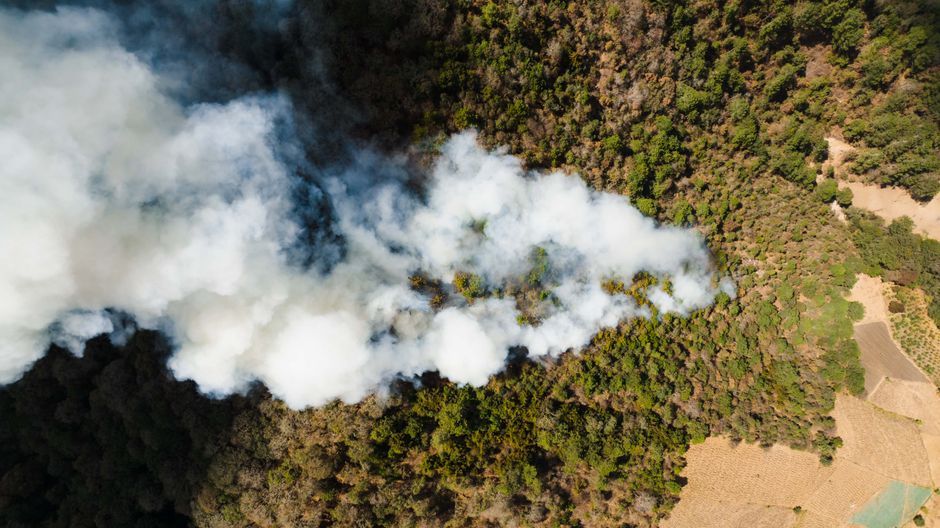
Stock photo for illustration only, not from the actual event
Earlier this week, Indonesia's Forestry Minister Raja Juli Antoni told reporters that efforts to extinguish the raging wildfires have entered a critical phase. Meanwhile, the United Nations has issued a warning urging countries across the region to prepare for the impacts of a supersized El Niño that is expected to intensify further in the coming months.
Source: BBC World
Found something wrong in this article? Report an issue with this article
Comments
Leave a Comment