

Europe Targeted by Spiralling Russian Sabotage Campaign
Europe faces a surge of sabotage in August 2024, including airport drones and defense factory fires from Italy to Estonia, as Russia steps up hybrid attacks.
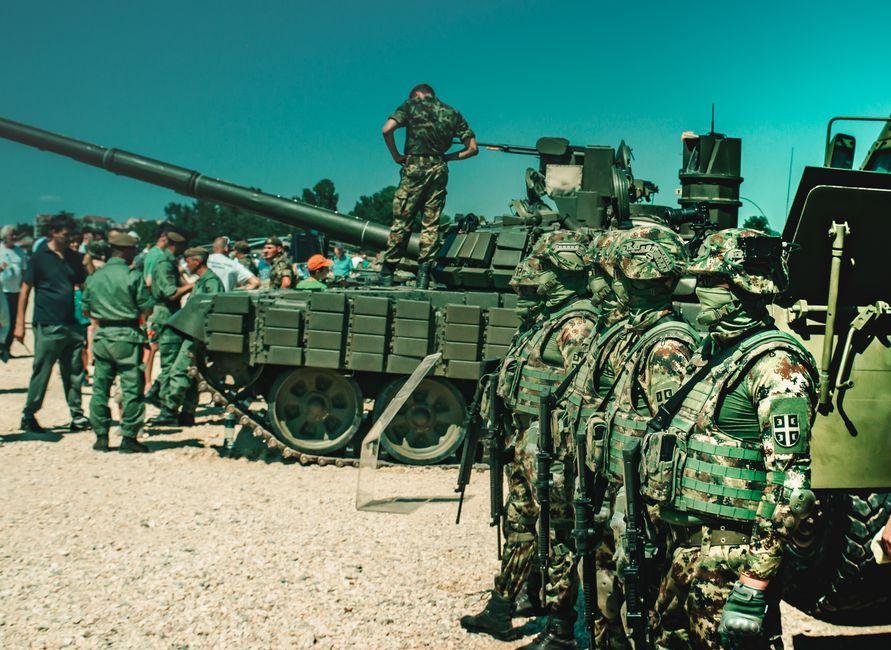
Stock photo for illustration only, not from the actual event
- Russia has escalated a covert sabotage campaign across Europe targeting military and defense sites.
- August saw a wave of suspicious drone attacks and factory fires in Germany, Italy, Estonia, Poland, and Bulgaria.
- Moscow heavily relies on cheap online proxy recruits, dubbed gig-economy saboteurs, to maintain plausible deniability.
- NATO and EU allies are scrambling to respond to this mounting security escalation and test of defenses.
As record-breaking summer temperatures swept across Europe and politicians headed for holidays, Moscow kept its focus strictly on warfare. Alongside intensifying military assaults in Ukraine, Russia appears to have significantly stepped up a coordinated campaign of sabotage operations throughout the European continent.
Military and defense sector installations became the primary targets in this latest wave. Following an initial deployment of drones, August brought a string of suspicious fires at critical defense facilities stretching all the way from Italy to Estonia.
A timeline of the escalating security incidents throughout August highlights the widespread nature of the threat:
- 4 August: The first drone is discovered at Leipzig airport in Germany.
- 10 August: A major fire erupts at the EMCO defense factory in Bulgaria.
- 13 August: An explosion and fire strike the KNDS Ammo Italy plant outside Rome.
- 15 August: The Milrem Robotics factory in Tallinn, Estonia, catches fire, leading to two arrests.
- 30 August: Poland reports two more fires, including a helicopter component maker in Lublin.

Stock photo for illustration only, not from the actual event
The pattern persisted into September with the arrest of two Bulgarian nationals in Munich, Germany, for allegedly hurling incendiary devices from a vehicle at the Rohde & Schwarz defense firm. The International Institute for Strategic Studies (IISS) noted parallels to a 2024 parcel bomb plot involving packages sent from Lithuania to the UK and Poland, which included explosions at a UK warehouse and Leipzig's airport.
"That was a marked high in terms of their willingness to inflict mass casualties."
Giles
The deployment of disposable online proxy recruits reflects a modern hybrid warfare tactic designed to maintain plausible deniability for Moscow. Resembling Cold War playbook strategies, these low-cost disruptive actions aim to probe NATO's defensive thresholds and cause friction without triggering a direct conventional war.
German authorities indicate that operatives launching the Leipzig drones may be Russian professionals, contrasting with the typical profile of internet-recruited, cash-driven speakers from former Soviet states. As intelligence agencies probe deeper, European leaders face mounting pressure to formulate a unified deterrent strategy against these persistent covert incursions.
Source: BBC World
Found something wrong in this article? Report an issue with this article
Comments
Leave a Comment