

Abhisit criticizes 2027 fiscal budget bill over legality
Abhisit Vejjajiva criticizes the 3.788 trillion baht 2027 budget bill in parliament, claiming investment funds violate fiscal discipline laws and proposing a 150B baht cut.

Stock photo for illustration only, not from the actual event
- Parliament debates the 3.788 trillion baht FY 2027 budget bill on September 7
- Abhisit Vejjajiva proposes a 150 billion baht budget cut citing high public debt
- Argues investment allocation barely exceeds the deficit by only 1.7 billion baht
- Parliament passes Section 4 of the bill with 281 votes in favor and 133 against
During the House of Representatives meeting on September 7, presided over by House President Sophon Sarum, lawmakers convened to deliberate the second and third readings of the fiscal year 2027 budget bill, totaling 3.788 trillion baht, following its review by the special committee. The deliberation sparked intense debate among various members regarding the country's macro-fiscal structure.
Abhisit Vejjajiva, Democrat Party list MP and party leader, took the floor during the debate on Section 4 to propose an overall budget reduction of 150 billion baht. He pointed out that the government already has access to substantial off-budget funds and an emergency decree loan providing an additional 200 billion baht into the system. Furthermore, he warned that public debt is nearing its legal ceiling, accompanied by lingering debts in state enterprises and state-owned banks, creating a highly dangerous financial landscape.
"I am disappointed that the committee did not try to trim the fat to create fiscal space and a buffer to handle crisis situations, which Deputy Prime Minister and Finance Minister Ekniti Nitithanprapas emphasized are still ongoing."
Abhisit Vejjajiva
The opposition leader further argued that if the government aims to clean up the structural budget and prevent future budget traps, it must start by telling the truth. A detailed review of the budget reveals potential non-compliance with the constitutional requirements of fiscal discipline, which mandates that capital expenditure must account for at least 20% and exceed the budget deficit. However, the proposed capital expenditure surpassed the deficit by a razor-thin margin of only 1.7 billion baht.
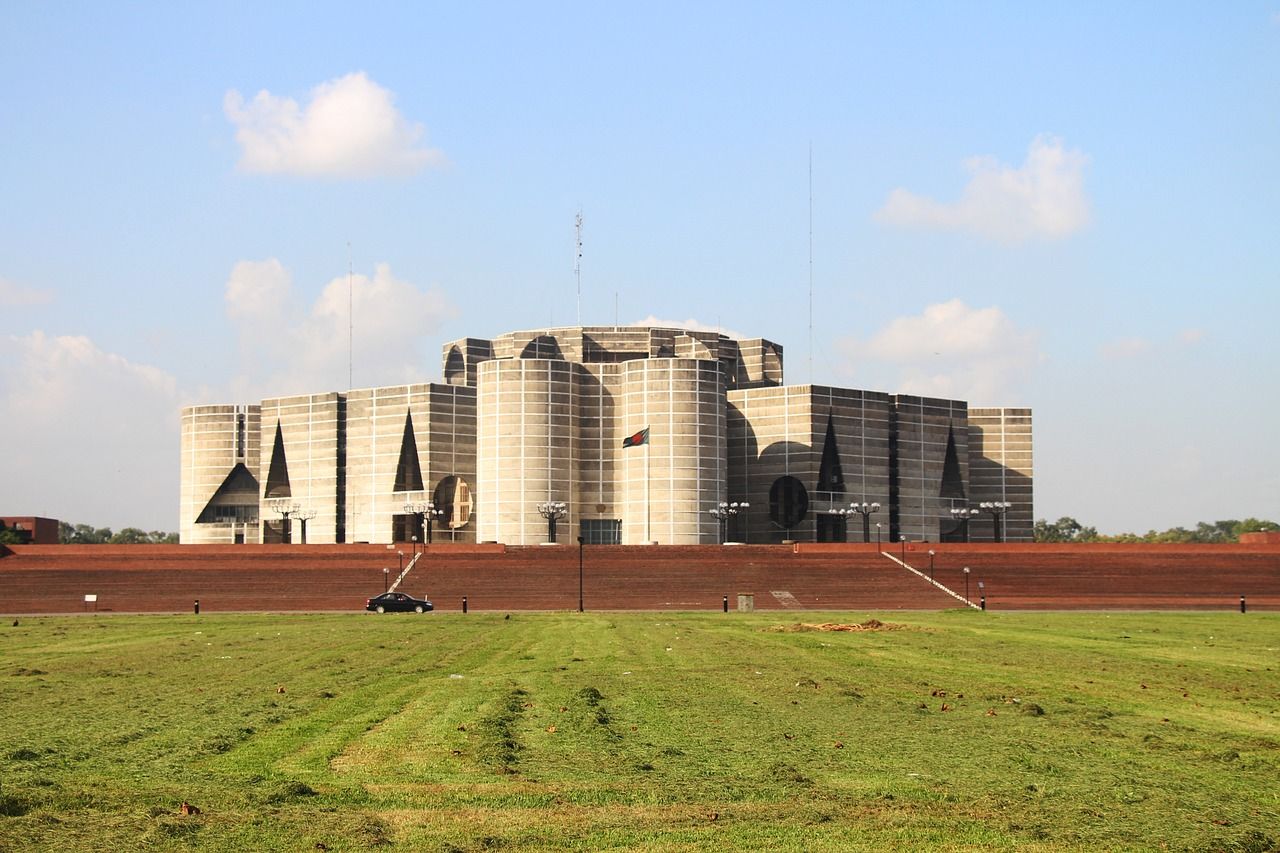
Stock photo for illustration only, not from the actual event
Capital expenditure allocation under fiscal discipline laws serves as a critical mechanism for long-term economic stimulus. When investment ratios hover just above the deficit line, it highlights the severe fiscal constraints facing the administration amid compounding public debts and economic sluggishness. Scrutinizing budget transparency is therefore vital to safeguarding macroeconomic stability and ensuring that public funds genuinely stimulate growth rather than merely covering operational overhead.
Abhisit raised specific concerns regarding expenditure classifications, questioning whether a 100 billion baht central emergency reserve fund—claimed by officials to include 60% or 60 billion baht in capital spending—truly qualifies as investment given that emergency funds lack concrete projects or blueprints. He also challenged the inclusion of 4.5 billion baht for government cloud services under capital expenditure, arguing it represents routine data management rather than true infrastructure investment.
In response, Anurak Juriart, Bhumjaithai Party MP for Roi Et and deputy chairman of the special committee, defended the bill, assuring parliament that all procedures complied fully with relevant laws and regulations. Following the debate, the House proceeded to vote on Section 4, resulting in 281 votes in favor, 133 against, 46 abstentions, and 1 non-vote.
Source: Matichon Politics
Found something wrong in this article? Report an issue with this article
Comments
Leave a Comment