

Yanang Leaves: Raw Juice vs. Boiled, Which Method is Safest?
Exploring the properties and precautions of the cooling herb Yanang, comparing raw juicing and boiling methods for maximum safety and benefits.
Stock photo for illustration only, not from the actual event
- Yanang is a cooling herb that helps relieve body heat and balance internal systems.
- Raw juice preserves full Vitamin C and enzymes, but carries contamination risks.
- Boiled Yanang kills pathogens and lasts 3-5 days, though heat-sensitive vitamins decrease.
- Kidney patients and individuals with low blood pressure should consume with caution.
According to information from the Department of Thai Traditional and Alternative Medicine, Yanang leaves are classified as a cooling herb with prominent properties in relieving heat, reducing fever, and balancing the body. They are rich in chlorophyll, vitamin A, vitamin C, and calcium. However, consuming them for maximum benefit without harming the body requires selecting a preparation method that suits the intended purpose.
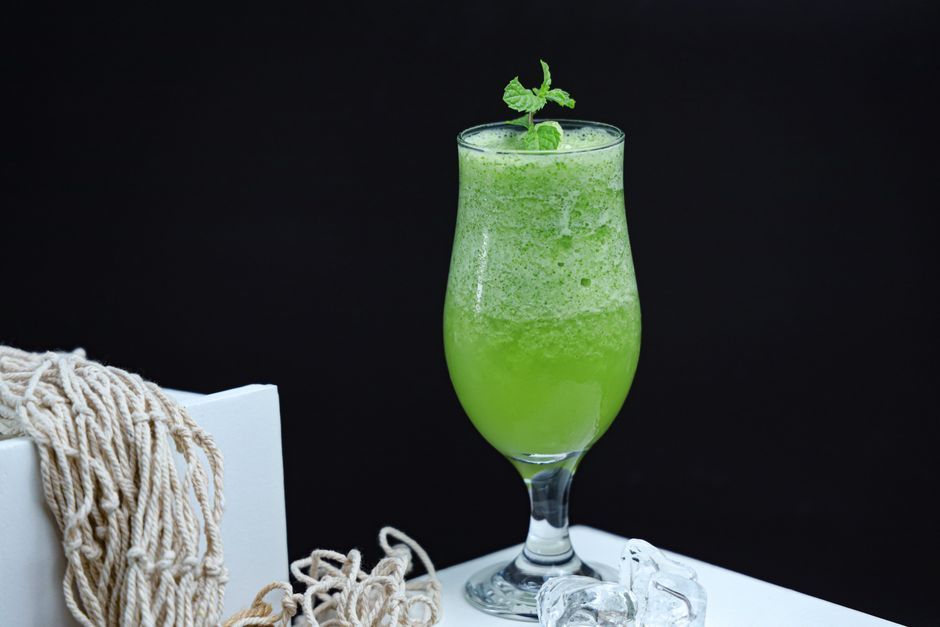
To understand the correct consumption choices, the differences can be examined as follows: raw Yanang juice provides complete natural vitamin C, chlorophyll, and enzymes, helping to refresh the body and quench thirst well, but it carries a risk of bacterial and chemical residue contamination if the leaves are not washed thoroughly enough. On the other hand, boiled Yanang juice is safe from germs due to heat sterilization, has a longer shelf life, and has a reduced grassy smell, although certain heat-sensitive vitamins like vitamin C may decrease.
Stock photo for illustration only, not from the actual event
Consuming herbs with strong cooling properties like Yanang requires careful consideration of one's personal physical condition. Because herbs directly affect blood circulation and internal organ functions, choosing the proper preparation method is essential for minimizing long-term health risks and ensuring safe consumption.
To make raw Yanang juice at home, the ingredients include 15-20 fresh Yanang leaves chosen for their dark green color to ensure high chlorophyll content, 3-5 pandan leaves to enhance aroma and reduce the grassy smell, and honey or stevia for preferred seasoning. The steps involve washing the leaves thoroughly, recommending soaking them in water mixed with baking soda for 10 minutes before rinsing under running water. Next, chop the leaves into small pieces, put them in a blender with clean water, and blend until fine, or pound them in a mortar and squeeze out the juice. Strain through a piece of white cloth to remove all pulp, yielding a bright dark green juice that can be drunk immediately.
For the boiled recipe, which is suitable for those who want to store the drink for multiple days and ensure sterilization, follow steps 1-3 of the raw recipe first. Then, pour the strained Yanang juice into a pot, set it over low to medium heat, and stir continuously until it starts to simmer and the color changes from bright green to a slight brownish-green, taking about 5 to 10 minutes. Do not boil for too long to avoid losing nutritional value. Remove from the heat, let it cool completely, and pour into bottles to store in the refrigerator for 3 to 5 days.
Besides making beverages, Yanang juice is a key ingredient in traditional dishes such as bamboo shoot curry and perae curry, where it helps reduce uric acid and bitterness in bamboo shoots. It is also used in bitter leaf curry to cut bitterness, in minced eggplant and bamboo shoot salads to add unique color and aroma, and in boiled bamboo shoots with Yanang to eliminate bitterness and astringency, making the bamboo shoots taste sweet and tender, commonly served as a vegetable side dish with chili paste.
Even though Yanang leaves offer immense benefits, incorrect or excessive consumption can cause adverse effects. Kidney patients should avoid them or consult a doctor before consumption due to the high potassium content, which can overload the kidneys. For individuals with low blood pressure, consuming excessive amounts of cooling herbs can cause bodily imbalance, resulting in dizziness, fainting, or fatigue. Consumption should be moderate and not continuous for too long to maintain sustainable bodily balance.
Source: Thairath Lifestyle
Found something wrong in this article? Report an issue with this article
Comments
Leave a Comment