

Oil hits $100 a barrel after US and Houthi strikes
Brent crude prices surged past $100 a barrel on Wednesday following escalating retaliatory strikes between the US, Iran, and Houthi attacks.
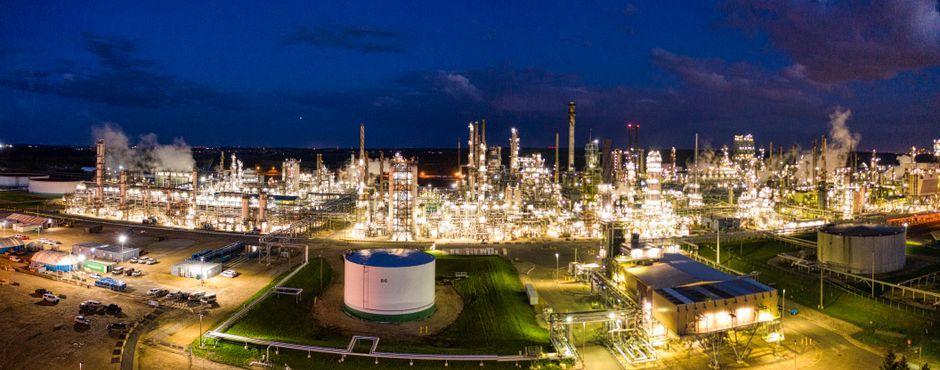
Stock photo for illustration only, not from the actual event
- Brent crude oil prices surged past $100 a barrel on Wednesday.
- The US targeted five Iranian oil tankers in reprisal for warship attacks.
- Yemen's Houthi movement struck energy facilities in Saudi Arabia.
- The conflict has effectively closed the vital Strait of Hormuz shipping lane.
Global crude oil prices climbed past $100, or approximately £74, a barrel on Wednesday following a fresh wave of strikes in the ongoing conflict between the United States and Iran, alongside continued Houthi assaults targeting Saudi Arabia.
This latest escalation follows US reprisal strikes that hit five Iranian oil tankers after Tehran targeted an American warship. The US military operations targeted four vessels in the Gulf of Oman linked to Iran's Islamic Revolutionary Guard Corps (IRGC) and another near Kharg Island, which handles 90% of Iran's oil exports.
In response, Tehran launched missiles at a US base in Jordan, most of which were intercepted, while claiming attacks on two US vessels and eight oil tankers in the Strait of Hormuz. Iran's navy also stated it had seized a defective uncrewed US submarine in the area.
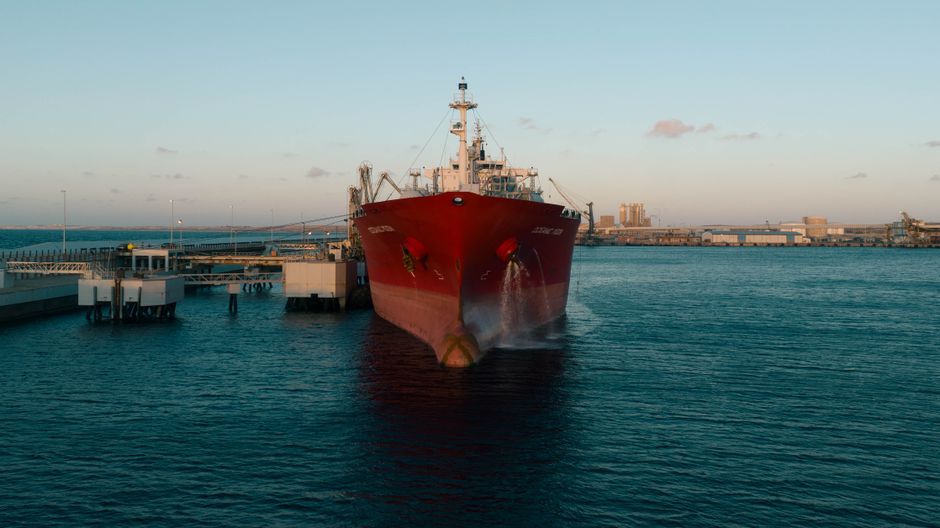
Stock photo for illustration only, not from the actual event
Meanwhile, the Iran-backed Houthi movement in Yemen carried out drone and missile strikes against civilian and energy infrastructure across Saudi cities including Abha, Jazan, and Najran, injuring 73 people and causing temporary operational shutdowns at oil facilities. These incidents follow months of rising hostilities since the conflict began on February 28.
"The situation was pretty straightforward."
US Secretary of State Marco Rubio
The geopolitical friction in the Middle East directly threatens global energy stability because the Strait of Hormuz carries roughly one-fifth of the world's petroleum and liquefied natural gas. Disruptions along this critical maritime chokepoint create immediate supply chain shocks, rippling through international markets and driving up fuel costs for motorists worldwide.
Source: BBC World
Found something wrong in this article? Report an issue with this article
Comments
Leave a Comment