

US and UK Central Banks Eye Rate Decisions Amid Middle East War
Soaring oil and gas prices driven by the US-Iran war have put pressure on global inflation, leading the US Federal Reserve and Bank of England to weigh interest rate decisions.

Stock photo for illustration only, not from the actual event
- The European Central Bank recently raised interest rates to 2.5% amid ongoing inflation pressures.
- The US Federal Reserve is set to decide on rates next week after holding them steady at 3.5% to 3.75%.
- The Bank of England is widely expected to keep its interest rate unchanged at 3.75%.
- Brent crude oil prices hover around $105 per barrel due to disruptions in the Strait of Hormuz.
Geopolitical tensions in the Middle East and the ongoing war between the US and Iran have driven up oil and natural gas prices, severely impacting household budgets and driving transportation costs higher. Brent crude oil is currently trading at around $105, or approximately £78 per barrel, approaching peak levels seen at the onset of the conflict as shipments through the vital Strait of Hormuz remain restricted.
Higher energy prices directly increase costs for homes and businesses, creating a ripple effect that raises the price of food and staple goods for consumers. Central banks traditionally respond to such inflationary pressures by raising borrowing costs to cool consumer spending, though this balancing act risks dampening corporate investment and slowing down hiring.
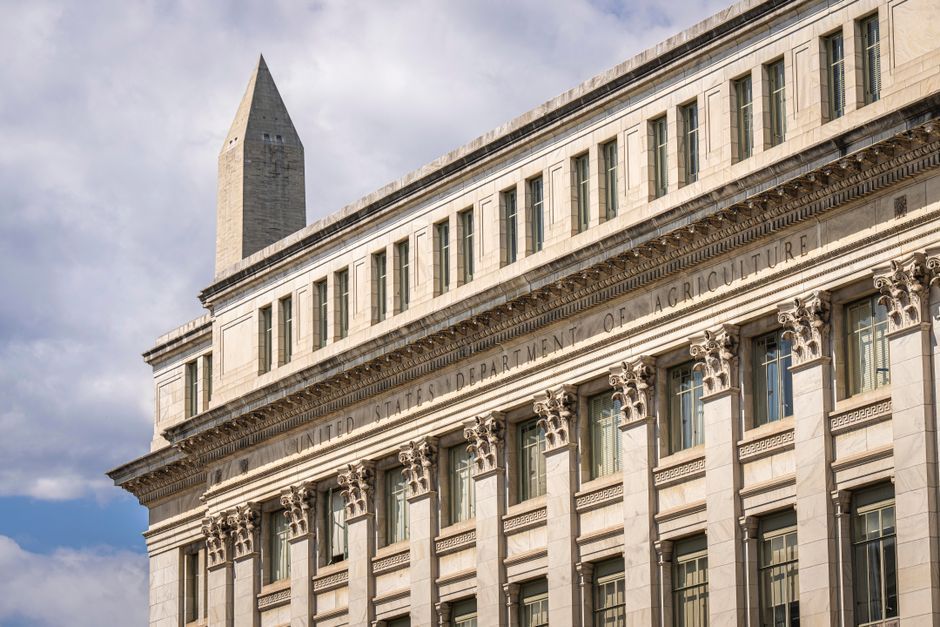
Stock photo for illustration only, not from the actual event
Next week, the US Federal Reserve will announce its latest interest rate decision. Having held rates steady between 3.5% and 3.75% for five consecutive meetings since its last rate cut in December, many Wall Street analysts now bet on a rate hike this month, fueled by a strong job market and President Donald Trump's remarks that oil prices will likely remain high until the Iran war concludes after November's elections.
Addressing supply-side inflation driven by geopolitical shocks presents a classic dilemma for monetary policymakers. Raising interest rates cannot directly restore disrupted oil supply lines; instead, it works by depressing aggregate demand, which can inadvertently add financial strain to consumers already grappling with high everyday costs.
Newly-appointed Fed Chair Kevin Warsh has emphasized slowing price increases, aligning with forecasts from Deutsche Bank economists who view a rate hike as the most likely policy outcome. However, differing views remain, with Oxford Economics' Grace Zwemmer expecting rates to stay unchanged, while President Trump continues to publicly pressure the central bank for lower borrowing costs.
Across the Atlantic, the Bank of England is scheduled to make its policy announcement next week. UK inflation currently sits at 2.9% and is projected to climb further in the coming months, while household energy bills head toward a three-year high and gas prices breach 200p per therm for the first time since late 2022.
"The Fed Board, with its great new leader, must get smart - BE PATRIOTS for a change."
Donald Trump
Despite these mounting price pressures, broad consensus suggests the Bank of England will leave its interest rate at 3.75%. Economist Alexander Harvey noted that this approach provides the central bank with "some breathing space," supported by a much weaker macroeconomic environment compared to 2022, alongside significantly cooler hiring conditions and reduced wage pressure across the UK workforce.
Source: BBC Business
Found something wrong in this article? Report an issue with this article
Comments
Leave a Comment