

Hong Kong Tiananmen Activists Jailed Up to Seven Years
Hong Kong court sentences three activists, including Lee Cheuk-yan and Chow Hang-tung, up to over seven years in prison under national security law.

Stock photo for illustration only, not from the actual event
- Hong Kong court jails three prominent activists for up to over seven years
- Convictions fall under the national security law for inciting subversion
- The Hong Kong Alliance group was also fined 1.5 million Hong Kong dollars
Three Hong Kong activists who organized annual vigils commemorating the 1989 Tiananmen Square crackdown in Beijing have been sentenced to prison terms of up to seven years by a local court.
Two of the defendants, Lee Cheuk-yan, 69, and Chow Hang-tung, 41, were convicted last month of inciting others to subvert state power under the city's controversial national security law. A third defendant, Albert Ho, 74, pleaded guilty back in January.
For many years, Hong Kong stood as one of the few places in Chinese territory where citizens could gather to mark the Tiananmen crackdown, a topic heavily censored and sensitive within mainland China.
Authorities banned these gatherings in 2020 citing Covid-19 policies, and they never resumed. That exact year, the national security law officially took effect, criminalizing a broader spectrum of dissenting actions.
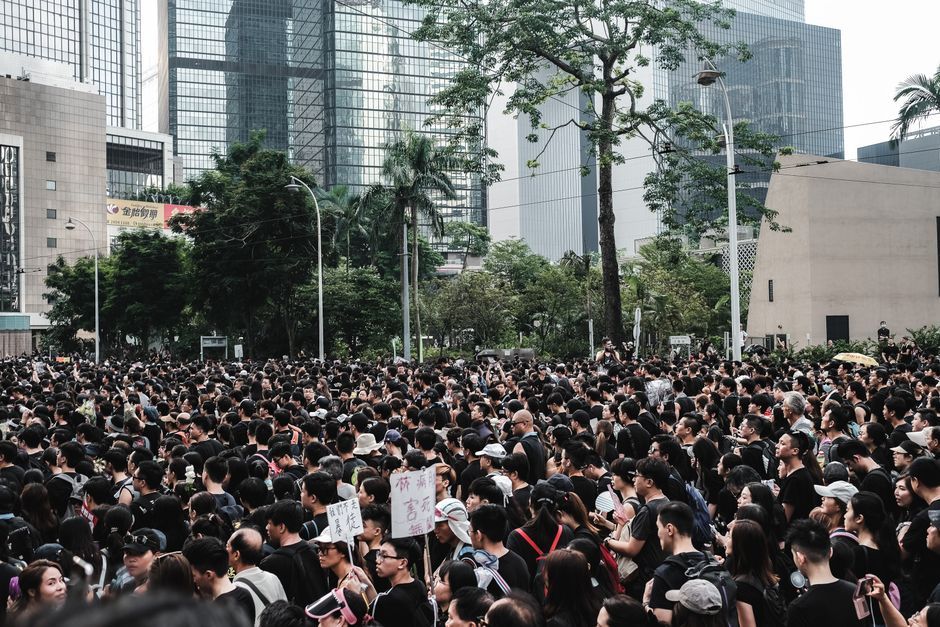
Stock photo for illustration only, not from the actual event
The implementation of the national security law in 2020 fundamentally altered Hong Kong's political and civil landscape. Prosecuting organizers of historical commemorations highlights the stringent measures taken by authorities to suppress symbolic dissent and erase collective memories.
On Friday, the court sentenced Lee to seven years in prison, while Chow received seven years and three months. Ho, who pleaded guilty, was handed a five-year sentence. Additionally, the court imposed a HK$1.5m fine on the Hong Kong Alliance.
"The harsh sentences against peaceful Tiananmen vigil organisers expose the cruelty and insecurity of a government afraid of memory and the people."
Human Rights Watch
Source: BBC World
Found something wrong in this article? Report an issue with this article
Comments
Leave a Comment