

Tackling the 'nasty' plant that can cause blisters and scars
A conservation project works to remove invasive Giant Hogweed as a long-distance runner shares her painful burn experience.
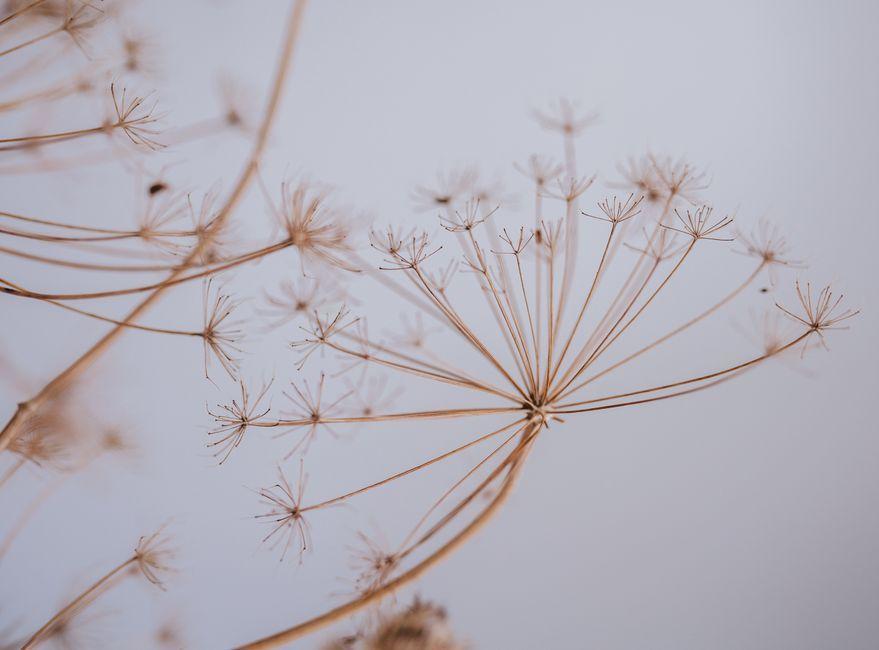
Stock photo for illustration only, not from the actual event
- Giant Hogweed is an invasive plant growing up to five metres high near damp soils.
- Over 2,500 sites across Northern Ireland have confirmed records of the plant.
- The Northern Ireland Environment Agency is pursuing more than 500 enforcement cases.
- Stormont targets a 50% reduction in the plant's distribution by 2030.
A conservation project reports progress in tackling a plant whose sap causes painful blistering and scarring upon contact with human skin. As an invasive species, the plant can grow up to five metres high and typically thrives in damp areas such as riverbanks and coastal zones.
Officials note that giant hogweed is fairly prominent in Mid Ulster, where a source just outside Cookstown, County Tyrone, has been identified and treated. Efforts are concentrated around Drum Manor Forest Park near the Ballinderry River, with workers describing containment as a monumental task.
Originally from Asia, Giant Hogweed (Heracleum mantegazzianum) was introduced to Britain and Ireland in the early 19th century as an ornamental garden plant before escaping into the wild. Its sap contains furocoumarins that react to sunlight, causing severe phytophotodermatitis, blistering, and swelling within 24 hours of exposure.
Data from NBN Atlas NI and NIEA indicates that giant hogweed has been confirmed at more than 2,500 locations across Northern Ireland. Stormont has mandated landowners to reduce its distribution by 50% before 2030, while figures from BBC News NI show the Northern Ireland Environment Agency is pursuing over 500 enforcement cases.
Stock photo for illustration only, not from the actual event
Sean Devlin, a member of the Mid Ulster Angling Club who has fished on the Ballinderry River for over 60 years, has firsthand experience with the plant's hazards and urges anyone who spots it to stay completely away.
Meanwhile, Esmée Gummer, a long-distance runner undertaking a 5,000km challenge across the UK over 99 days, encountered the plant in Scotland before running in Northern Ireland. She developed severe leg blisters that made running through the pain an immense challenge.
"I woke up one morning with these welts on my knees and I carried on running, I remember going to bed that night and woke up in agony. I had really intense pain for about 10 days, particularly at night after running all day, the pain was indescribable, it was like fiery pain."
Esmée Gummer
Government guidelines advise covering exposed skin immediately, washing with cold water, and avoiding sunlight following contact. The NIEA encourages the public to report sightings via official monitoring systems, iRecord, or iNaturalist, noting that every report is followed up to ensure landowners fulfill their legal responsibilities.
Source: BBC Science & Environment
Found something wrong in this article? Report an issue with this article
Comments
Leave a Comment