

Inside Ecuador's Cocaine Superhighway: Gang Wars and Police Corruption
The BBC reports from the frontlines of Ecuador's drug war, where heavily armed gangs outspend the state and internal corruption undermines police efforts.
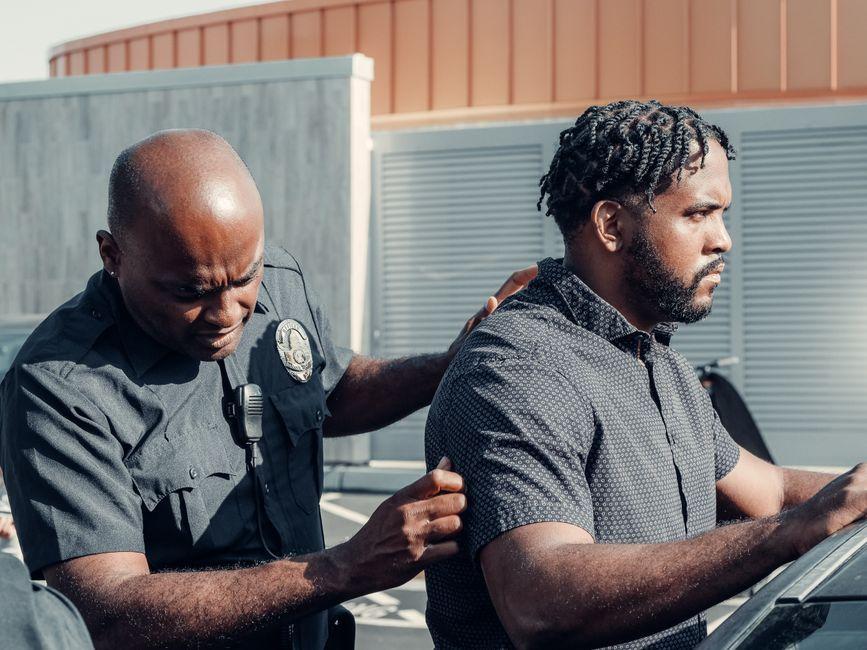
Stock photo for illustration only, not from the actual event
- Around 70% of cocaine reaching Europe and the US is funnelled out of Ecuador.
- Durán's murder rate dropped by half in the first six months of the current year.
- A local gang leader confessed to keeping four police officers on his monthly payroll.
In the Ecuadorian city of Durán, plagued by drugs and rival gangs, Police Captain Jean Carlos Bustamante faces a dual threat: ruthless criminals who murder and dismember their adversaries, and the enemy lurking within his own ranks. At 34, he leads a hand-picked team of officers whom he trusts completely, navigating the dangers of a neighborhood controlled by a gang known as Los Aguilas.
As dusk settles, Captain Bustamante leads a heavily armed raid on an abandoned house suspected of caching weapons. Using a battering ram, his team breaches the door to discover two handguns and assault rifle ammunition. Despite the raid, he acknowledges this is merely a war of attrition, admitting that the gangs possess far more weapons and financial resources than the state itself, having lost three close friends in the ongoing conflict.
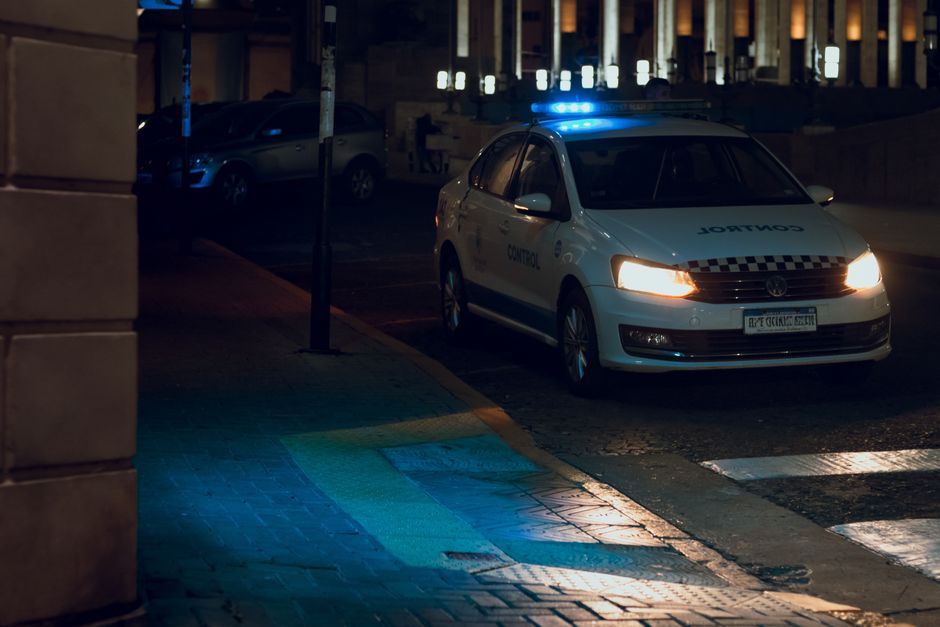
Stock photo for illustration only, not from the actual event
A direct economic and human pipeline connects the backstreets of Durán to major European capitals like London. According to President Daniel Noboa, approximately 70% of cocaine bound for Europe and the US flows through Ecuador, entering from primary producers Colombia and Peru. Homegrown gangs collaborating with Mexican cartels and the Albanian mafia exploit weak border controls and the nation's long Pacific coastline, transforming a peaceful tourist destination into a violent killing ground with over 9,200 murders recorded last year.
"You never know who is watching."
Anonymous Ecuadorian Police Officer
This reporting highlights the severe systemic vulnerabilities faced by transit nations caught in the global drug trade. When transnational cartels inject massive illicit capital into fragile economies, local security forces often find themselves outmatched not only in firepower, but through institutional corruption that compromises even targeted law enforcement operations.
During a subsequent operation, officers detained three suspects inside a residence, though prosecutors later released two of them—a frequent occurrence blamed on systemic judicial corruption. Another anonymous officer revealed he rejected massive text-message bribe offers meant to secure his retirement, noting that internal leaks frequently compromise police locations. While local authorities report positive signs, including a fifty percent drop in Durán's murder rate during the first half of the year, embedded criminal networks continue to exert substantial influence.
Source: BBC World
Found something wrong in this article? Report an issue with this article
Comments
Leave a Comment