

Young Teeth Grinding Rise: Dentists Warn of Dental Wear
Dentists report a rise in teeth grinding among young adults, affecting nearly one in four people and causing severe jaw pain and dental damage.
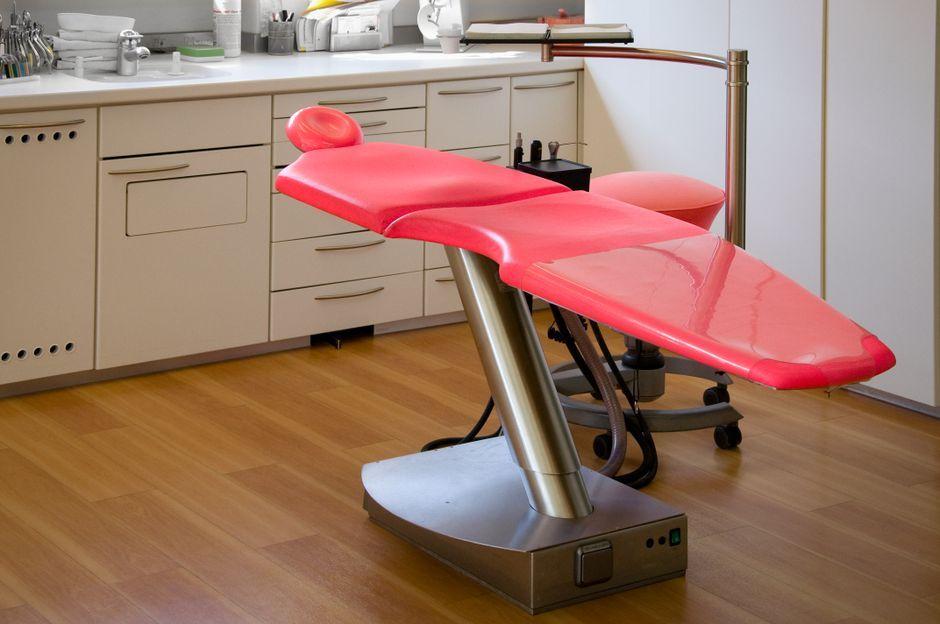
Stock photo for illustration only, not from the actual event
- Bruxism is estimated to affect nearly one in four people.
- Dentists observe increasing young patients with teeth damage.
- Stress and trauma act as primary triggers for jaw clenching.
- Treatments range from mouthguards to jaw muscle injections.
Ella cannot recall the exact moment she began grinding her teeth during the night, but she vividly remembers the excruciating jaw pain, persistent headaches, and warnings that her molars were wearing away.
Bruxism affects millions of individuals across the UK. Studies suggest that nearly one in four people experience the condition, though many remain entirely unaware until physical symptoms manifest.
Teeth grinding functions beyond a mere physical habit, acting as a neurological stress response where major cranial nerves trigger involuntary jaw muscle tension to cope with daily pressures.
According to the British Dental Association, anecdotal evidence indicates bruxism is becoming more prevalent, although specific figures are unavailable. Several dentists report growing concern over the rising number of young patients presenting with dental damage caused by incessant gnashing.
Bruxism encompasses four distinct jaw movements: clenching, grinding, bracing, and thrusting. Some individuals grind their teeth during sleep, while others do so throughout the day.
Key warning signs to monitor include:
- Earache or temple pain in the absence of infection
- Worn, fractured, or repeatedly failing dental work
- Chronic jaw or facial stiffness upon waking
The British Association for Counselling and Psychotherapy notes that teeth grinding is referenced more frequently in therapy sessions, reflecting a heightened awareness of how mental health influences physical well-being.

Stock photo for illustration only, not from the actual event
For Ella, nocturnal teeth grinding served as an outlet to release accumulated daytime tension. Throughout her twenties, she simply endured the discomfort until her dentist warned her that her teeth faced severe risks.
"After her dentist injected her jaw muscles with Botox, Ella says her sleep and mental health improved."
Ella, bruxism patient
Ella chose to pay for botulinum toxin injections into her masseter muscles to relax her jaw and alleviate facial tension, a procedure designed to last three to four months alongside meditative practices.
Dr. Simon Cove, a dentist treating both private and NHS patients, explains that the physical impact of grinding can be substantial, utilizing 3D scanners to track patient dental wear over time.
However, dental sleep specialist Dr. Aditi Desai emphasizes that addressing root causes is equally vital, noting that obstructive sleep apnoea can prompt individuals to grind their teeth to clear blocked airways.
Prosthodontics specialist Dr. Riaz Yar treats patients suffering from severe bruxism consequences, highlighting the need for comprehensive assessment. Recommended management strategies include:
- Wearing a protective night mouthguard
- Using CPAP machines or mandibular advancement devices for sleep apnoea
- Implementing lifestyle changes such as regular exercise and reduced alcohol intake
Source: BBC Health
Found something wrong in this article? Report an issue with this article
Comments
Leave a Comment