

Iran War Dents Royal Caribbean’s Revenue Forecast
Royal Caribbean trims its 2026 revenue growth outlook to 9% due to Middle East conflict impacts, while raising its full-year earnings per share guidance.
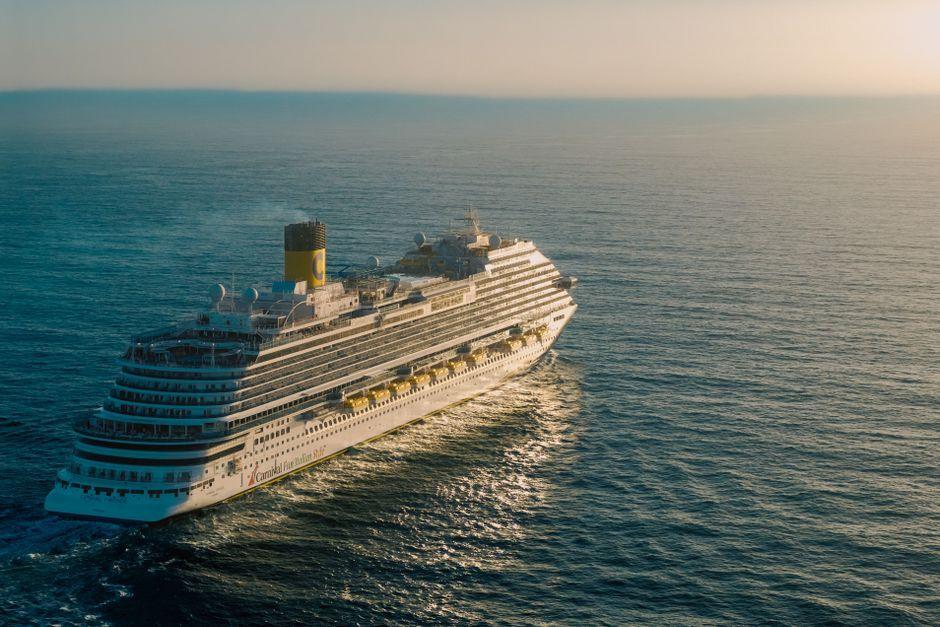
Stock photo for illustration only, not from the actual event
- Royal Caribbean lowered its full-year 2026 revenue growth forecast to 9% down from 10%.
- The company raised its full-year earnings per share guidance to between $17.73 and $17.87.
- Ongoing Middle East conflict has created a modest, near-term impact on cruise bookings and airfare.
- The cruise operator continues to outperform key competitors despite broader post-Covid market headwinds.
Cruise line operators are underperforming the market for the first time in the post-Covid era as geopolitical conflict in the Middle East weighs heavily on consumer booking patterns and introduces new operational uncertainties for the travel sector.
Royal Caribbean Cruises on Tuesday walked back some of its guidance cuts from the previous quarter and trimmed its overall revenue outlook, noting that the prolonged conflict in the Middle East has resulted in a modest, near-term impact on passenger bookings.
Total revenue for the year is now expected to post a 9% increase, a step down from the 10% forecast issued last quarter. Additionally, net yields—defined as a measure of daily revenue per passenger—are projected to grow between 2.35% and 2.85% throughout 2026, adjusted from the earlier 2.3% to 3.3% range.

Stock photo for illustration only, not from the actual event
Despite the slight revenue adjustment, the company's earnings outlook improved. Full-year earnings are now expected to land between $17.73 and $17.87 per share, representing an upward revision from April's projected range of $17.10 to $17.50 per share.
Royal Caribbean's ability to raise its profit guidance despite external geopolitical shocks highlights the resilience of its business model and high-spending customer base. Close-in booking trends and disciplined cost management continue to buffer the cruise line against regional disruptions.
Source: Skift
Found something wrong in this article? Report an issue with this article
Comments
Leave a Comment