

UK Inflation Rises to 3.1% on Fuel and Airfare Hikes
UK Office for National Statistics reports August 2026 inflation reached a five-month high of 3.1%, driven by soaring oil prices from Middle East conflicts.

Stock photo for illustration only, not from the actual event
- UK inflation accelerated to a five-month high of 3.1% in the year to August 2026.
- Global oil prices surpassed 91 dollars a barrel due to ongoing Middle East conflicts.
- Motor fuel prices recorded a 23% jump compared to August of the previous year.
- The UK government will cut household electricity VAT to zero starting October 1.
UK inflation accelerated to its highest level in five months during the year leading up to August 2026, rising to 3.1% from 2.9%, according to data released by the Office for National Statistics (ONS). The upward pressure was primarily driven by increases in petrol, diesel, and airfares during the peak summer holiday season.
The cost of fueling a vehicle surged significantly in August as the ongoing conflict in the Middle East continued to disrupt global oil supplies. Petrol prices jumped to their highest point in nearly four years, alongside a steep rise in diesel prices. Overall, motor fuel prices recorded a 23% increase compared with August of the previous year.
Crude oil prices surpassed 91 dollars a barrel as the US-Israel war with Iran persisted, a notable increase from approximately 73 dollars a barrel before hostilities commenced earlier in the year. Consequently, average petrol prices climbed by 9.1p between July and August, reaching 161.3p per litre, while Brent crude recently surpassed 100 dollars a barrel.
Grant Fitzner, chief economist at the ONS, noted that rising crude oil and petrol prices have pushed up both annual raw material costs and factory gate prices. Meanwhile, Capital Economics' chief UK economist, Paul Dales, stated that while higher oil prices have not yet spilled over into sectors like food and drink, larger inflation increases remain on the way.
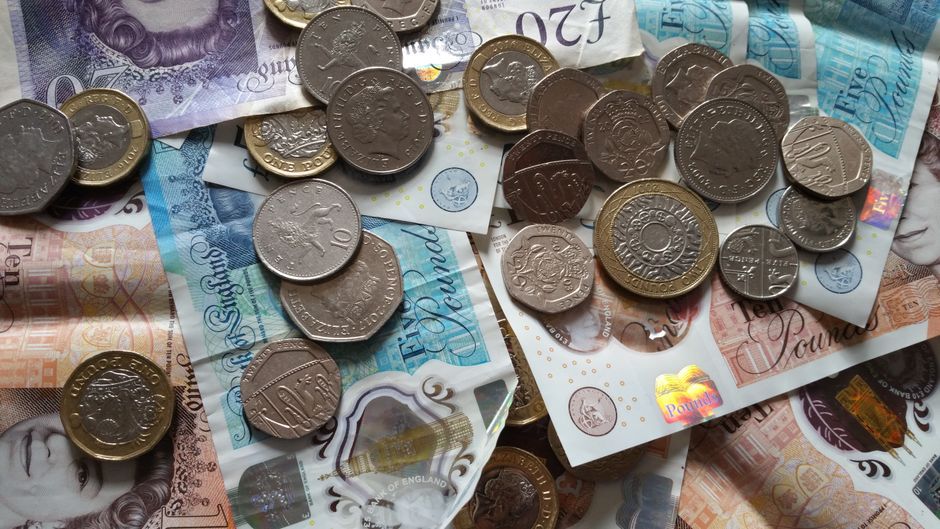
Stock photo for illustration only, not from the actual event
"Changes in the oil price have a real-time impact on us."
Goran Raven, small petrol retailer
The inflation spike moves the metric further away from the Bank of England's 2% target. The central bank, which uses interest rates to manage inflation, currently holds the rate at 3.75% and is scheduled to meet on Thursday to decide on potential adjustments amidst global economic uncertainties.
Global supply chain disruptions and geopolitical tensions in the Middle East continue to pose structural challenges for energy-importing economies. Central banks face the complex task of balancing tighter monetary policy to curb persistent inflation against the risk of dampening domestic economic momentum.
In response to cost-of-living pressures, Chancellor John Healey, preparing for his upcoming Budget announcement next month, announced that the government will cut VAT on household electricity bills from 5% to zero starting October 1, saving typical households around 45 pounds annually, even as energy price caps rise by 4%.
Source: BBC Business
Found something wrong in this article? Report an issue with this article
Comments
Leave a Comment