

EU Chief Backs Plan for Canada Associate Membership
Ursula von der Leyen supports offering Canada associate EU membership to boost ties in AI, tech, and security amid US trade tensions.
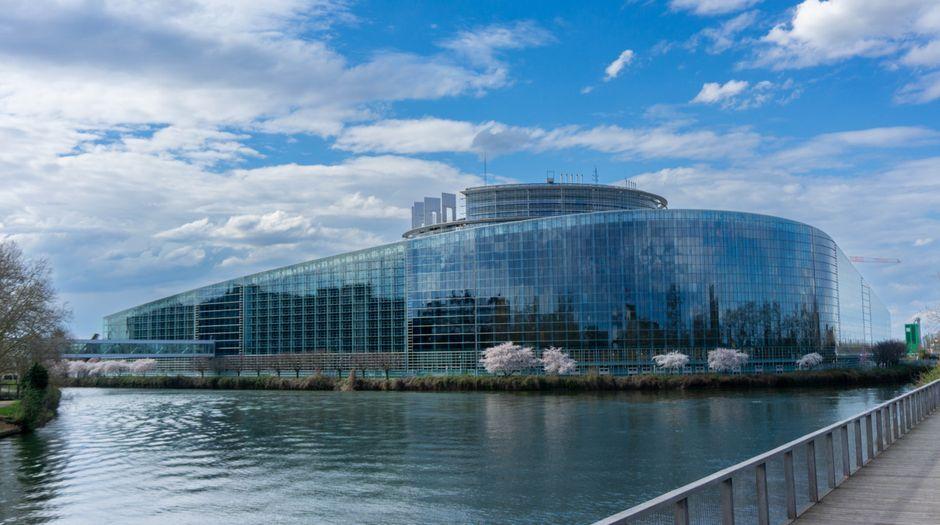
Stock photo for illustration only, not from the actual event
- Ursula von der Leyen backs a plan to grant Canada associate member status in the EU
- The move follows Canada facing trade disputes and strained relations with the United States
- Cooperation will target manufacturing, technology, AI, energy, and security sectors
- The EU also proposed a European Security Council and stricter social media limits for minors
European Commission President Ursula von der Leyen told the European Parliament on Wednesday that she wants to work on opening the door for Canada to become an associate member, aiming to forge closer ties across multiple key sectors amid shifting global dynamics.
The announcement follows remarks last week by Canadian Prime Minister Mark Carney regarding his pursuit of a unique alliance with the EU. Canada is currently navigating tense relations with the United States, exacerbated by an escalating trade dispute and aggressive tariff policies.
Photo by Campaign Creators / Unsplash
Without mentioning US President Donald Trump by name, von der Leyen emphasized that offering Canada a form of EU membership is not a partnership against anyone else, but rather a move for common strength. She added that partnerships serve as a strategic choice for Europe to respond to fractures in the international rules-based system.
"And we have stood together: on Ukraine, on defence, on raw materials and on supply chains. But above all... Europe and Canada believe in democracy."
Carney attended the annual keynote speech in Strasbourg and is scheduled to address the parliament on Thursday. While von der Leyen did not outline specific operational mechanics for Canadian membership, she highlighted manufacturing, technology, AI, defence, energy, critical minerals, and economic security as core areas for cooperation.
The concept of an EU "associate membership" does not currently exist in formal EU policy, and establishing such a framework, if agreed upon, could take years. Earlier this year, German Chancellor Friedrich Merz floated a similar status for Ukraine, demonstrating the bloc's growing interest in creating flexible partnership tiers for key international allies facing geopolitical pressures.
Despite the high-level backing, hurdles remain. Ten of the EU's 27 member states have yet to ratify a free-trade agreement struck with Ottawa nearly a decade ago, and several capitals favor expanding existing trade and defence pacts over establishing an entirely new membership category.
Outlining the EU's priorities for the coming year, von der Leyen also proposed forming a European Security Council—including the UK and Ukraine—to address ongoing continental threats from Russia. Additional proposals included inviting major AI labs to discuss pacing frontier technology, cutting business bureaucracy, introducing emergency migration tools, and banning social media for children under 13, with parental supervision required for users aged 13 to 15.
Source: BBC World
Found something wrong in this article? Report an issue with this article
Comments
Leave a Comment