

Thornley Kelham hand-shapes Porsche 356 body in aluminum over 2,000 hours
Restomod specialist Thornley Kelham reimagines the classic Porsche 356 with a featherlight 930kg aluminum body, a bespoke 2.33L air-cooled flat-four engine producing up to 200 hp, and modern engineering upgrades.

Stock photo for illustration only, not from the actual event
- Hand-formed aluminum body takes over 2,000 hours of craftsmanship per car
- Curb weight of just 930 kilograms delivers a performance ratio exceeding 200 hp per ton
- Air-cooled 2.33L flat-four engine offers 180 hp in Touring and 200 hp in Sport spec
- Upgraded chassis features rack-and-pinion steering and all-round ventilated disc brakes
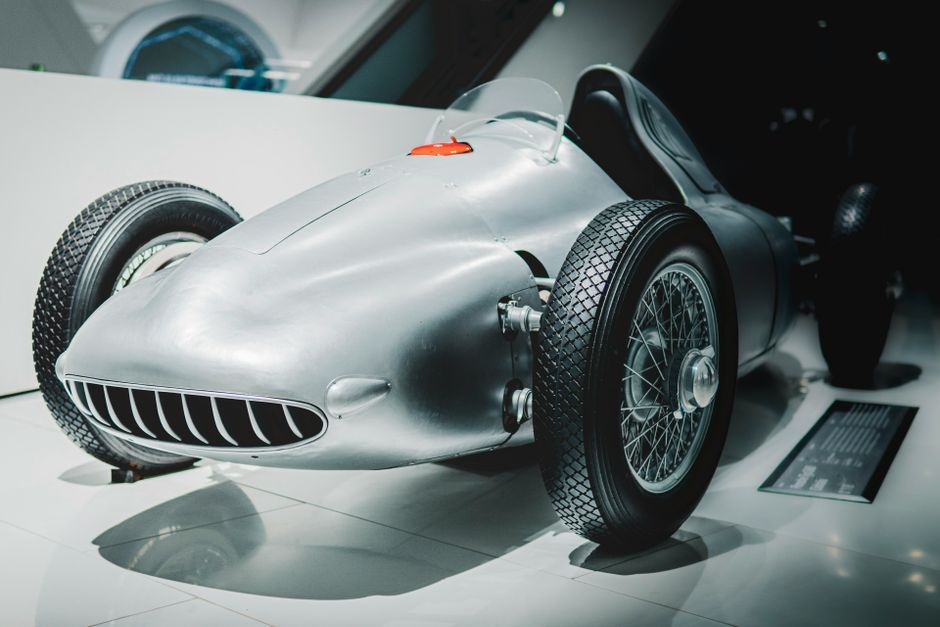
Cotswolds-based workshop Thornley Kelham has introduced its latest Porsche 356 European SL project, beginning with a familiar silhouette before accentuating the speed and lightness inherent in early Porsche racing cars. The team restores the original 356 chassis and envelops it in a broader, lower body painstakingly hand-formed from aluminum. Stretched surfaces and tight panel gaps sharpen the automobile's teardrop profile while preserving the rounded character of the factory original.
Weighing in at 930 kilograms, the coupe's low mass dictates its proportions and dynamic capabilities. It hugs the asphalt with a wider stance, giving the compact body a muscular presence from every viewing angle. For the craftspeople at Thornley Kelham, each aluminum body requires more than 2,000 hours of dedicated forming and finishing. Individual panels are shaped by hand and assembled on a precision jig to ensure door openings and body seams meet with contemporary accuracy.
Stock photo for illustration only, not from the actual event
Underlying geometry is supported by modern CAD and CNC manufacturing processes, while traditional metalworking techniques supply the exterior's elongated curves and softly pinched edges. Seam welding adds structural rigidity throughout the restored framework. Exterior joints are meticulously smoothed into a continuous skin, allowing sunlight to glide uninterrupted across the hood and rear fenders.
The restomod movement, exemplified by Thornley Kelham's meticulous approach to the Porsche 356, represents a growing segment in automotive restoration where classic aesthetic charm meets modern reliability and track-ready performance. By retaining the historical layout while introducing hand-hammered aluminum bodywork and displacement-bored air-cooled engines, builders can honor the original engineering ethos while dramatically improving dynamics.
Beneath the aluminum shell lies a bespoke 2.33-liter air-cooled flat-four engine derived from the original 356 powerplant. The Touring specification generates 180 horsepower, while the Sport variant boosts output to 200 horsepower alongside 180 lb-ft of torque. Given the 930-kilogram weight, the higher-output configuration surpasses 200 horsepower per ton. A five-speed dogleg manual transmission replaces the period-correct four-speed unit, channeling power directly to the rear wheels.
Engineering revisions extend deeply into the chassis. Thornley Kelham reinforces and seam-welds the foundational structure, integrating rack-and-pinion steering alongside rear suspension geometry influenced by early 911 models. Ventilated disc brakes are fitted to both axles, with carbon-ceramic units available for clients desiring more aggressive stopping power. Buyers can also specify passive or active dampers, as well as power assistance for the steering system.
Stock photo for illustration only, not from the actual event
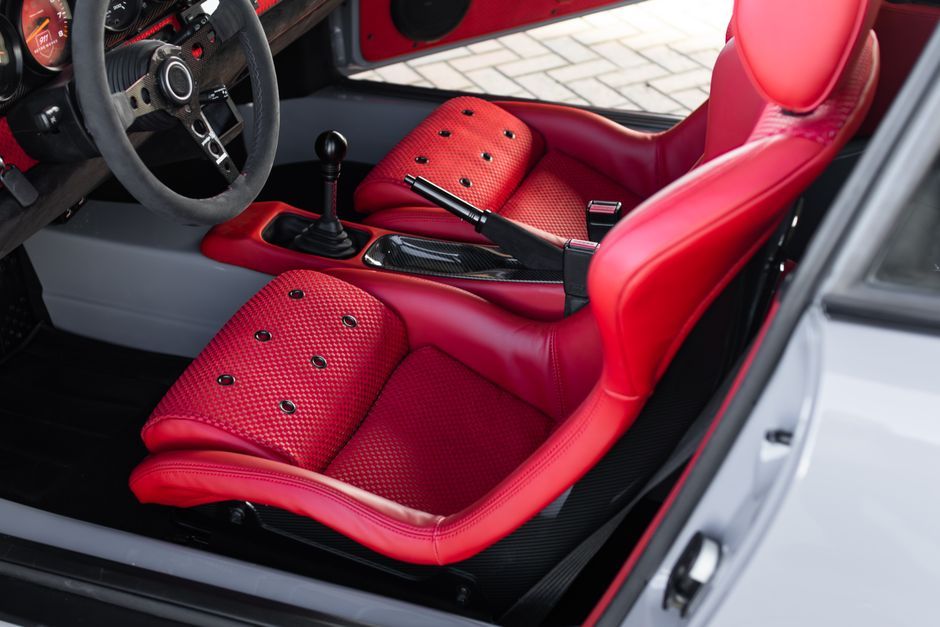
Inside, the cabin adheres to the same minimalist philosophy as the exterior. The dashboard remains low and sparse, featuring circular instruments arranged within a slim horizontal panel. Bespoke seats and leather upholstery introduce warmth to the compact interior, while custom-fitted luggage sets can be commissioned for each individual car. Modern electronics remain available according to owner preference, though the layout deliberately prevents switches and screens from overwhelming the driver's field of vision. The cabin frames the windshield and surrounding painted metal, preserving the intimate connection between driver and asphalt that defines the early 356 experience.
Source: designboom
Found something wrong in this article? Report an issue with this article
Comments
Leave a Comment