

Why couple bought first home with 100% mortgage despite risks
Conroy, 32, and Amber, 28, used Skipton Building Society's Track Record mortgage to buy a £242,000 Manchester home with zero deposit.
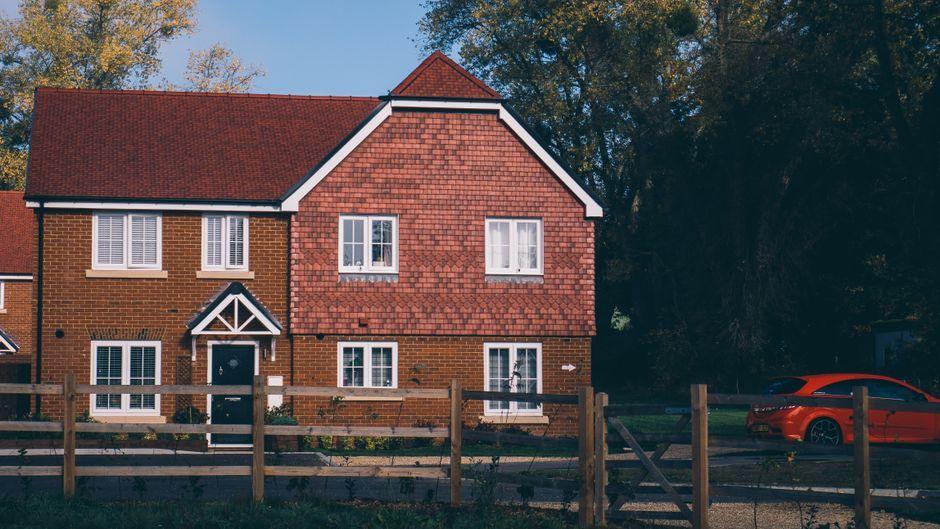
Stock photo for illustration only, not from the actual event
- Conroy and Amber bought a four-bed home for £242,000 with zero upfront deposit
- They secured a 5.33% five-year fixed rate mortgage, paying £1,500 monthly
- UK mortgage deposits under 10% have hit their highest share since 2008
Until last year, 32-year-old Conroy and his 28-year-old partner Amber saw little prospect of owning their own property. They were renting centrally in Manchester where they worked and struggled to accumulate savings for a house deposit. Eventually, they discovered a relatively niche and debated mortgage product that offered a viable solution, with Skipton Building Society's Track Record mortgage covering 100% of the property value without requiring any upfront payment from the borrower.
Borrowers must clear stringent eligibility checks and accept higher interest rates. In Conroy and Amber's specific case, they agreed to a 5.33% fixed rate locked in for five years. By August, they successfully purchased a four-bedroom house valued at £242,000 in Swinton on the outskirts of Manchester. Official figures from the Bank of England indicate that the proportion of UK mortgages issued with deposits under 10% of the property value has reached its highest level since 2008, when such high-risk loans were widely accessible.
The average deposit required for first-time buyers currently hovers around 20%. This trend follows major lenders such as Lloyds, Santander, Skipton, and Yorkshire Building Society rolling out a wave of new mortgage products over recent years covering upwards of 95% and occasionally 100% of a property's valuation. Lenders argue this assists first-time buyers trying to enter the property ladder amid climbing housing prices and stubborn living costs.
Stock photo for illustration only, not from the actual event
However, these loans typically carry steeper interest rates, exclude certain property types, and introduce financial risks that buyers must navigate. Conroy, who works as a solicitor, took out a 25-year loan with monthly repayments of £1,500, roughly matching their previous rental outgoings. He noted that they felt comfortable with the elevated costs because they earn well and anticipate salary growth over time.
Despite this, Conroy acknowledges the heightened vulnerability to negative equity, where a property's market value dips beneath the remaining mortgage debt, potentially triggering severe costs if forced to sell. To mitigate this, the couple plans to overpay their mortgage during the initial five-year period to build equity faster. "There is always the element of a gamble with the property market," he remarked.
"There is always the element of a gamble with the property market."
Conroy
Similarly, 27-year-old Bronya and her partner George, 29, utilized a low-deposit mortgage to secure their four-bedroom home in Rhuddlan, North Wales, in August. Lloyds lent them £258,000 representing about 98% of the property value over a 33-year term, requiring just a £5,000 deposit. They pay a 5.89% fixed interest rate for five years, resulting in monthly repayments of £1,400.
The return of low-deposit mortgages invites careful comparison with the lead-up to the 2008 global financial crisis, where lax lending standards triggered widespread defaults. Modern products attempt to insulate against this through rigorous affordability underwriting, such as requiring proof of consistent rental payments over 12 consecutive months. Nonetheless, economists emphasize that buyers must remain cautious of macroeconomic headwinds and potential interest rate fluctuations.
Source: BBC Business
Found something wrong in this article? Report an issue with this article
Comments
Leave a Comment