

Police begin operation to move migrants from Ceuta beaches
Spanish police have begun transferring thousands of migrants from beaches in Ceuta to a new tented camp in the port area amid chaotic scenes.
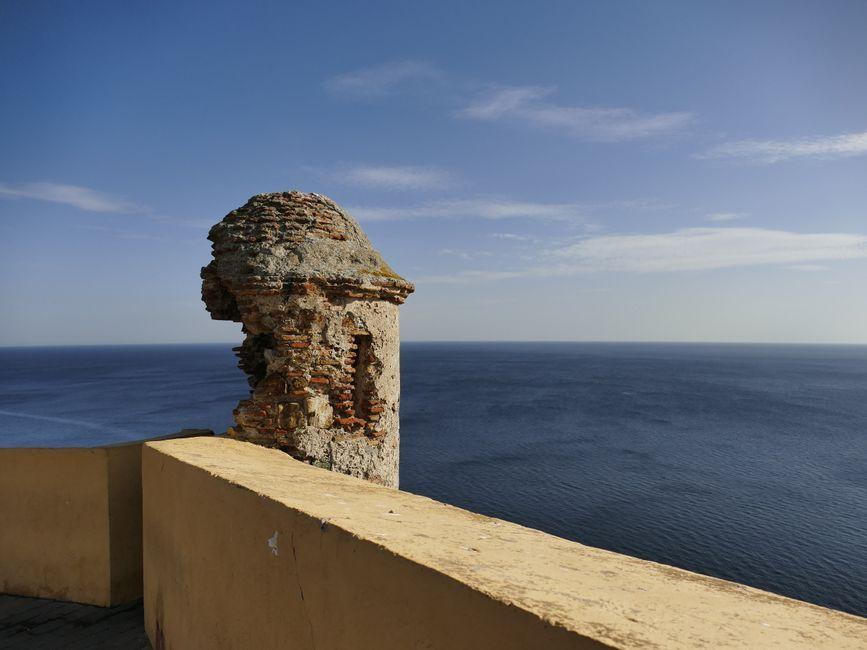
Stock photo for illustration only, not from the actual event
- Spanish police started moving hundreds to over 3,000 migrants from beaches in Ceuta to a new port area camp.
- The operation launched around 07:00 local time on Friday with the deployment of over 170 police officers.
- The new tented facility has a capacity to accommodate 1,700 people for proper identification and care.
- Prime Minister Pedro Sánchez faces fierce political opposition and diplomatic fallout over the crisis.
Law enforcement officers in the Spanish territory of Ceuta in North Africa have commenced an operation to relocate hundreds of migrants to a newly established tented site within the port area, following weeks of living on local beaches. The process saw chaotic scenes as crowds jostled for placement at the facility, accompanied by gunshots and reports of police firing warning shots into the air to maintain order.
Several hundred individuals have successfully reached the camp, which features a maximum capacity of 1,700 people. While the majority of the 72,000 migrants who breached the Moroccan border in July have since departed, Ceuta authorities estimate that 13,000 remain inside the enclave, whereas the Spanish central government places the figure lower.
According to the Spanish state-owned news agency Efe, the operation commenced at approximately 07:00 local time on Friday, involving the transfer of more than 3,000 migrants. During the procedure, certain individuals managed to break through police cordons along the designated 2-kilometer or 1.2-mile route toward the port. Video footage captured young men running through the darkness while officers attempted to keep control.
Over 170 police officers, alongside drone technicians, were deployed to the area. Efe reported that the situation was brought under control swiftly, allowing the operation to proceed. This transfer serves as part of a government initiative to concentrate migrants into dedicated facilities where their identities can be checked and administrative statuses determined individually.

Stock photo for illustration only, not from the actual event
Contextual Analysis: The migrant crisis in Ceuta—a Spanish enclave bordering North Africa—highlights a complex humanitarian and political challenge for Prime Minister Pedro Sánchez's administration. Beyond straining local safety within the 18.5-square-kilometer territory, the influx has intensified domestic political pressure and complicated bilateral relations with neighbouring Morocco and Italy, demonstrating the fragility of regional migration management.
The chaotic developments have provided additional ammunition for opposition politicians in Spain who have strongly criticised Prime Minister Pedro Sánchez for his handling of the crisis. Residents within the 18.5-square-kilometer or 7.2-square-mile territory have voiced ongoing safety concerns, with some going as far as destroying shelters and blocking humanitarian aid intended for the migrants.
"The city is completely different than it was before this event, Ceutans have lost their joy and their lifestyles have been completely shaken up."
The conservative mayor of Ceuta
Opposition figures accused Sánchez of possessing prior knowledge regarding the influx, an allegation the prime minister has denied, insisting the surge was unpredictable. However, government documents revealed intelligence services had indeed warned of social media calls for a mass crossing the day prior. Sánchez has blamed trafficking gangs and social media rumors for sparking the crisis, characterising Ceuta as both a humanitarian emergency and an administrative test.
Source: BBC World
Found something wrong in this article? Report an issue with this article
Comments
Leave a Comment