

JP Morgan struggles to forecast oil prices amid US-Iran conflict
JP Morgan admits difficulty in predicting oil prices and economic impacts from the US-Iran war as key economic red lines are crossed.
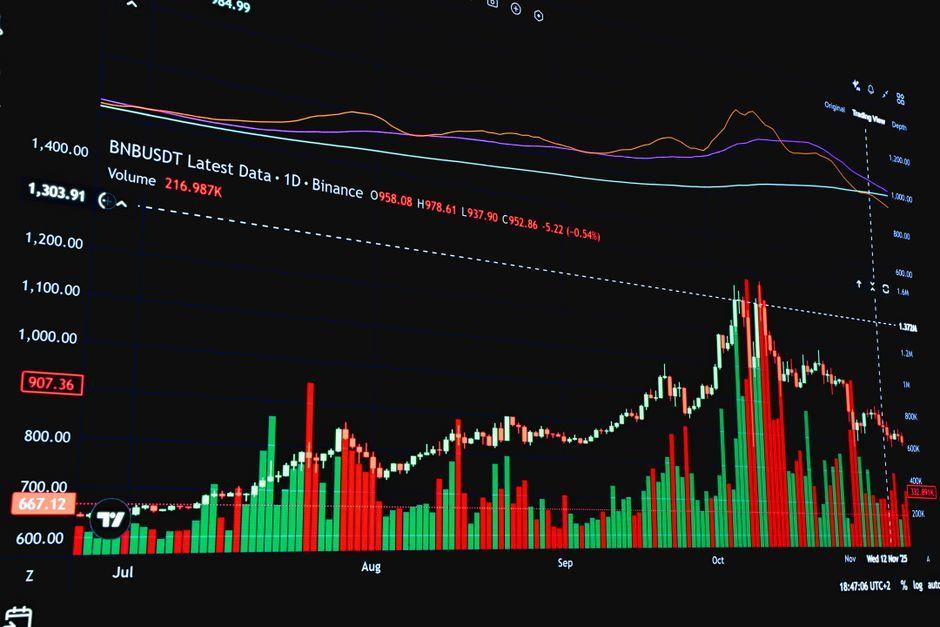
Stock photo for illustration only, not from the actual event
- JP Morgan admits experts struggle to forecast economic impacts of the US-Iran conflict.
- Key economic red lines, including oil surging past $100, have been crossed.
- The US Federal Reserve raised interest rates for the first time in over three years.
- Houthi actions in the Bab al-Mandab Strait add further supply risks.
Global investment banking giant JP Morgan has candidly admitted that its experts are grappling with significant challenges when trying to forecast the economic fallout of the ongoing conflict between the United States and Iran, stating simply that "we simply don't know" what lies ahead in predicting President Donald Trump's next moves.
At the onset of the conflict, the bank operated on the assumption that the Trump administration would adhere to certain unwritten economic red lines, leading them to believe back in June that a diplomatic deal would eventually be struck to reopen the vital Strait of Hormuz shipping lane. However, reality has proven far more unpredictable.
The financial institution noted that these established red lines included oil prices rising above $100 per barrel, inflation reaching 4%, gasoline topping $5 a gallon, and 10-year government borrowing rates hitting 5%. In recent weeks, several of these critical thresholds have indeed been breached.
"Six months later, many of those lines have been crossed, yet the exit strategy is less clear, not more."
JP Morgan commodities research team

Stock photo for illustration only, not from the actual event
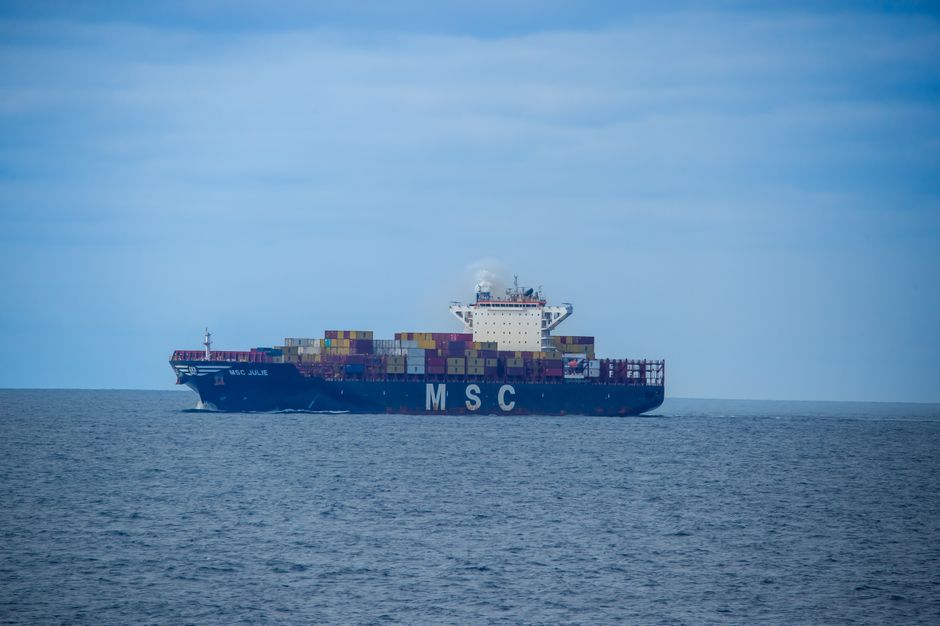
Stock photo for illustration only, not from the actual event
Meanwhile, the US central bank, the Federal Reserve, raised interest rates this week for the first time in more than three years, signaling potential further hikes through 2027 in an aggressive bid to curb rising consumer prices. Fed Chair Kevin Warsh defended the move by stating that "inflation is too high and has been for too long," despite public disagreement from President Donald Trump.
Context and Analysis: The escalation in the Middle East highlights how deeply interconnected global supply chains are with geopolitical stability. When a premier financial institution like JP Morgan openly questions its forecasting models, it underscores the extreme volatility currently facing energy markets, inflation expectations, and monetary policy decisions worldwide.
Analysts are also closely monitoring additional supply chain threats in the Middle East. Iran-backed Houthi forces in Yemen have recently seized control of an area near the mouth of the Bab al-Mandab Strait, presenting another critical vulnerability for international maritime trade routes alongside the ongoing disruptions stemming from the Russia-Ukraine war.
Source: BBC Business
Found something wrong in this article? Report an issue with this article
Comments
Leave a Comment