

Rome to Sue EC under Article 157 over Orange Senators
Rangsiman Rome confirms legal action against the Election Commission under Article 157, questioning motives behind the orange senators leak.
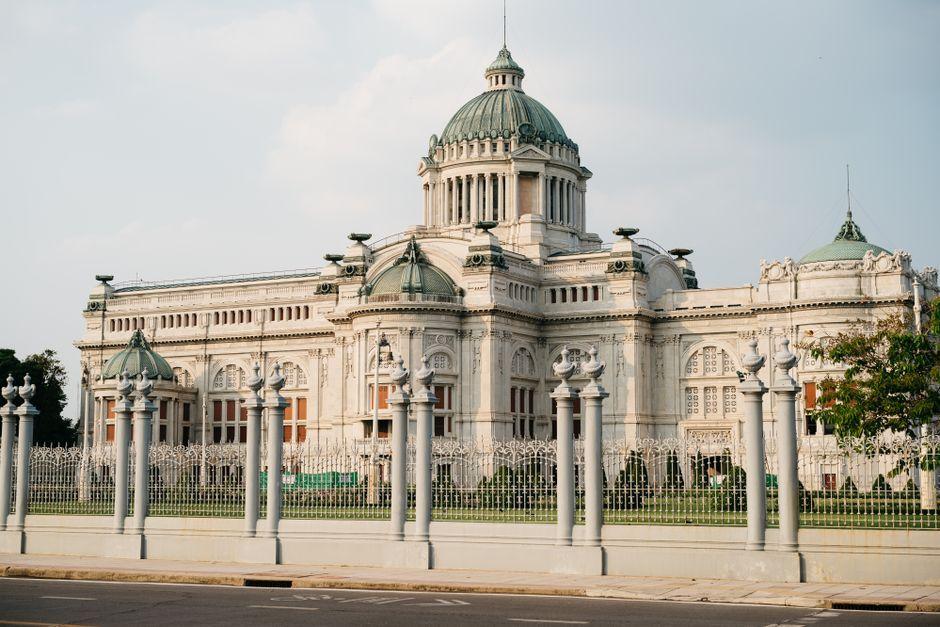
Stock photo for illustration only, not from the actual event
- Rangsiman Rome confirms legal action against the Election Commission under Article 157 over the orange senators controversy.
- Questions whether the EC's actions are genuine legal duties or politically motivated retaliation.
- Warns the independent body against any bias that could brand them as blue senators or partisans.
Rangsiman Rome, a list-MP from the People's Party, has taken a firm stance regarding the actions of the Election Commission, confirming plans to pursue legal action under Section 157 of the Criminal Code following the controversial disclosure regarding the orange senators, which has sparked widespread public skepticism.
This latest political development comes amid intense public scrutiny. Rangsiman Rome openly expressed doubts over whether the EC's recent moves represent impartial execution of their official duties or a politically colored effort aimed at retaliation against specific political factions.

Stock photo for illustration only, not from the actual event
Furthermore, he issued a direct warning to the electoral commissioners, stating clearly that the public must not be given any reason to suspect the existence of a partisan bias or a so-called blue faction within the independent agency, which would further undermine trust in Thailand's democratic processes.
The invocation of Section 157 of the Criminal Code against state officials and independent commissioners is a key accountability mechanism used by politicians to challenge perceived abuses of state power. The ongoing friction between political parties and the Election Commission highlights deep-seated tensions over institutional oversight and political neutrality in Thailand.
This aggressive legal stance signals an escalating battle over the boundaries of independent oversight bodies, with both the public and political actors closely monitoring whether future regulatory actions will maintain absolute transparency and fairness.
Source: Matichon Politics
Found something wrong in this article? Report an issue with this article
Comments
Leave a Comment