

Trirat Urges Gov to Use 50B Baht to Cut Oil Prices
Democrat Party economic team member Trirat Sirichantaraporn criticizes the government over fuel prices and demands using 50 billion baht to cut excise tax.
Stock photo for illustration only, not from the actual event
- Trirat Sirichantaraporn urges using 50 billion baht from Thai Chuay Thai Plus to cut fuel prices
- Criticizes the 4 baht refinery price cut as insufficient without touching high excise taxes
- Argues oil fund subsidies merely move money from left pocket to right pocket
On September 20, 2026, Trirat Sirichantaraporn, a member of the Democrat Party's energy economic team, strongly criticized the government's energy management policies, questioning its political sincerity and arguing that current measures fall short of solving high fuel prices.
This political pressure followed resolutions by the Oil Fuel Fund Committee (OFFC) and the Energy Policy Management Committee (EPPO) to adjust oil fund rates and reduce diesel prices at the refinery gate by 4 baht per liter to ease the cost of living.
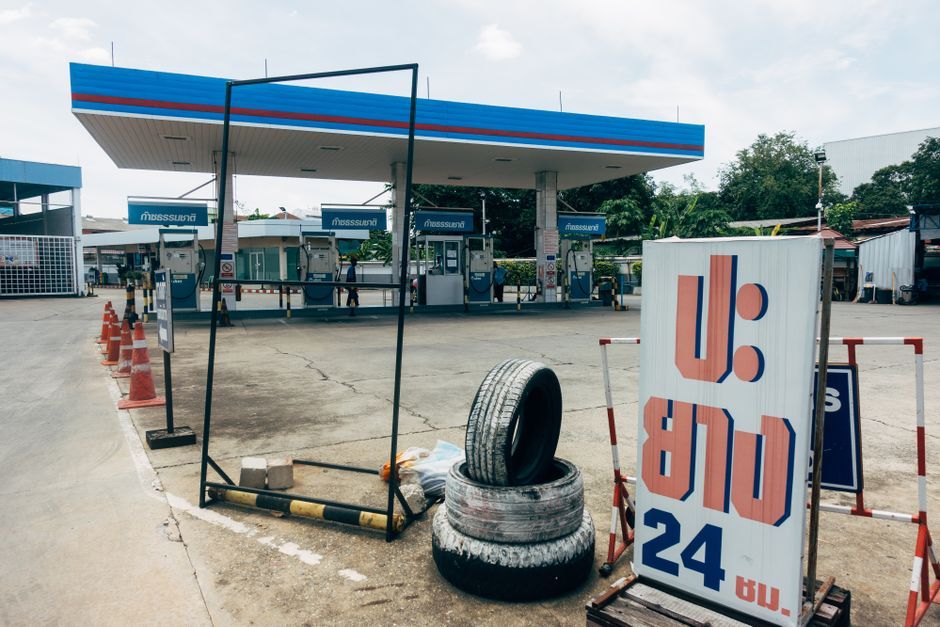
Stock photo for illustration only, not from the actual event
However, Trirat argued that cutting refinery prices is merely a reactive and delayed measure that only skims off excessive refinery profits which have long been left unchecked. He noted this fails to significantly lower retail pump prices because the fuel pricing structure contains heavy tax burdens that the government refuses to touch.
A key focal point of his critique is the excise tax on fuel, which remains high at nearly 7 baht per liter. Trirat emphasized that the administration should boldly cut this tax immediately while tapping into the 50,000 million baht budget from the Thai Chuay Thai Plus project to directly relieve public hardship instead of relying solely on the oil fund mechanism.
"Using the oil fund to subsidize prices is simply moving money from the left pocket to the right pocket. When global crude prices drop, the state cuts subsidies and refills the fund, preventing pump prices from falling as citizens expect."
Trirat Sirichantaraporn
Trirat pointed to the specific case on September 16, 2026, when the OFFC announced an increased diesel subsidy of 8.62 baht per liter. Yet, just three days later, global crude oil prices dropped by 2% while citizens expected retail prices to reflect the decline, exposing the limitations and lack of genuine relief in the government's price-pegging mechanism.
Analytical insight: Thailand's fuel price controversies consistently revolve around complex price structures and heavy excise tax burdens that governments rely on for revenue. The opposition's push to utilize targeted fiscal budgets like the Thai Chuay Thai Plus project highlights political pressure for direct fiscal policy interventions rather than short-term monetary tools through the oil fund, which often suffers from liquidity constraints and accumulated long-term debt.
Source: Khaosod Politics
Found something wrong in this article? Report an issue with this article
Comments
Leave a Comment