

German elections under way which could decide fate of Chancellor Merz
Voters head to the polls in Berlin and Mecklenburg-Vorpommern for local elections on Sunday, intensifying political pressure on Chancellor Friedrich Merz.

Stock photo for illustration only, not from the actual event
- German state elections are taking place in Berlin and Mecklenburg-Vorpommern on Sunday.
- Chancellor Friedrich Merz's CDU faces damaging defeats and potential loss of power in Berlin.
- The far-right AfD party is surging after a major victory in Saxony-Anhalt two weeks ago.
- Merz's political future hangs in the balance amid swirling rumors of a potential chancellor swap.
Local elections are under way across two German states on Sunday, bringing heightened political pressure on Chancellor Friedrich Merz as his Christian Democratic Union (CDU) faces severe voter backlash. Opinion polls in Berlin and Mecklenburg-Vorpommern indicate that Merz's conservatives risk suffering damaging defeats, which would cast further doubts over the chancellor's long-term political future.
These high-stakes regional votes follow a landslide victory achieved by the far-right Alternative for Germany (AfD) party in the state of Saxony-Anhalt two weeks prior, an election where the CDU saw its vote share cut in half. The growing political momentum of the far-right has fueled intense speculation across Germany that Merz could face replacement mid-term unless his party's fortunes rapidly improve.
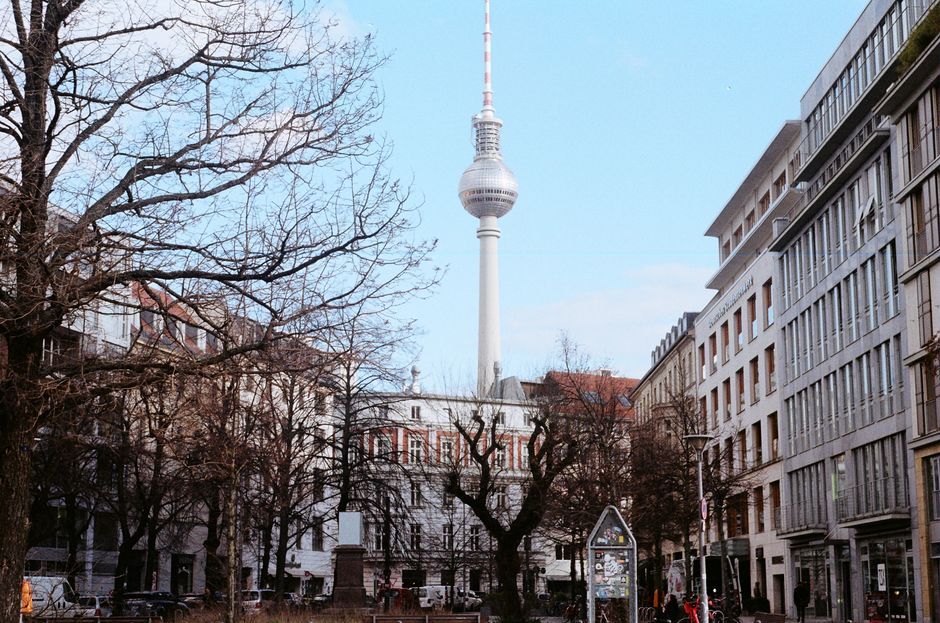
Stock photo for illustration only, not from the actual event
Although Chancellor Friedrich Merz has vowed to push forward, he continues to battle dismal approval ratings amid growing rumors of a planned leadership swap. In Berlin, Merz's conservatives are locked in a tight race with Die Linke (The Left) to secure the top spot, while in Mecklenburg-Vorpommern, the CDU is hovering dangerously close to the 5% electoral threshold required to enter the state parliament, threatening the worst state election result in the party's history.
Analytical context: The unfolding political crisis in Germany highlights deep public frustration over a persistently sluggish economy, soaring energy costs, and contentious immigration debates. The far-right AfD has successfully capitalized on these grievances, particularly in the former communist east. Meanwhile, Merz's aggressive policy shifts and blunt communication style have alienated both left-leaning voters and the broader public, leaving his coalition government in a precarious position ahead of crucial autumn parliamentary reforms.
The internal discontent within the party was underscored by Martin Rohloff, the CDU candidate for Neubrandenburg, who remarked that if forced to answer whether Merz should step down, he would say yes in favor of leaders with a better connection to the public. As Sunday evening approaches, Merz is reportedly scheduled to meet senior party figures in Berlin, having abruptly canceled a planned trip to New York next week in an urgent effort to contain the mounting crisis.
Source: BBC World
Found something wrong in this article? Report an issue with this article
Comments
Leave a Comment